

GDPR and Blockchain: How Data Privacy Rules Are Shaping Crypto
When you think of GDPR, the European Union’s strict data protection law that gives users control over their personal information. Also known as General Data Protection Regulation, it doesn’t just apply to Facebook or Amazon—it’s now reshaping how blockchain, a decentralized digital ledger technology that records transactions across many computers projects operate. Unlike traditional apps, blockchain is built on transparency and immutability, but GDPR demands the right to be forgotten. That’s a direct conflict—and it’s causing real changes in the crypto world.
Take privacy coins, cryptocurrencies like Monero and Zcash designed to hide transaction details. Many exchanges, including Bitfinex and BiKing, have delisted them not because they’re risky, but because they can’t comply with GDPR’s data erasure rules. If someone requests their data be deleted, how do you remove a transaction from a public ledger that can’t be altered? You can’t. That’s why platforms are choosing to drop these coins instead of facing fines up to 4% of global revenue. Meanwhile, projects like Instars, which lets users earn crypto by sharing data, now have to build in GDPR-compliant opt-outs and data export tools—something most DeFi platforms never planned for.
It’s not just about privacy coins. Even simple crypto exchanges like Chronos or GCOX, which collect IP addresses, email addresses, or wallet histories, are being flagged. If they’re accessible to EU users, they’re legally required to handle data properly. That’s why many small platforms either block EU users entirely or shut down. The UAE, a region that recently cleared FATF compliance to attract global crypto investment didn’t just improve its reputation—it also built its rules around GDPR-style standards, showing how these laws are becoming the global baseline. Even if you’re not in Europe, if your project touches European users, GDPR follows you.
What you’ll find in the posts below are real examples of how this plays out: exchanges getting squeezed, privacy coins vanishing from platforms, and scams pretending to be compliant. You’ll see how projects like Flamingo Finance or THENA FUSION navigate these rules—or ignore them. And you’ll learn why some airdrops, like the fake CoPuppy or Sonar Holiday offers, are designed to bypass these very protections. This isn’t theory. It’s happening right now—and if you’re using crypto, you’re already affected.
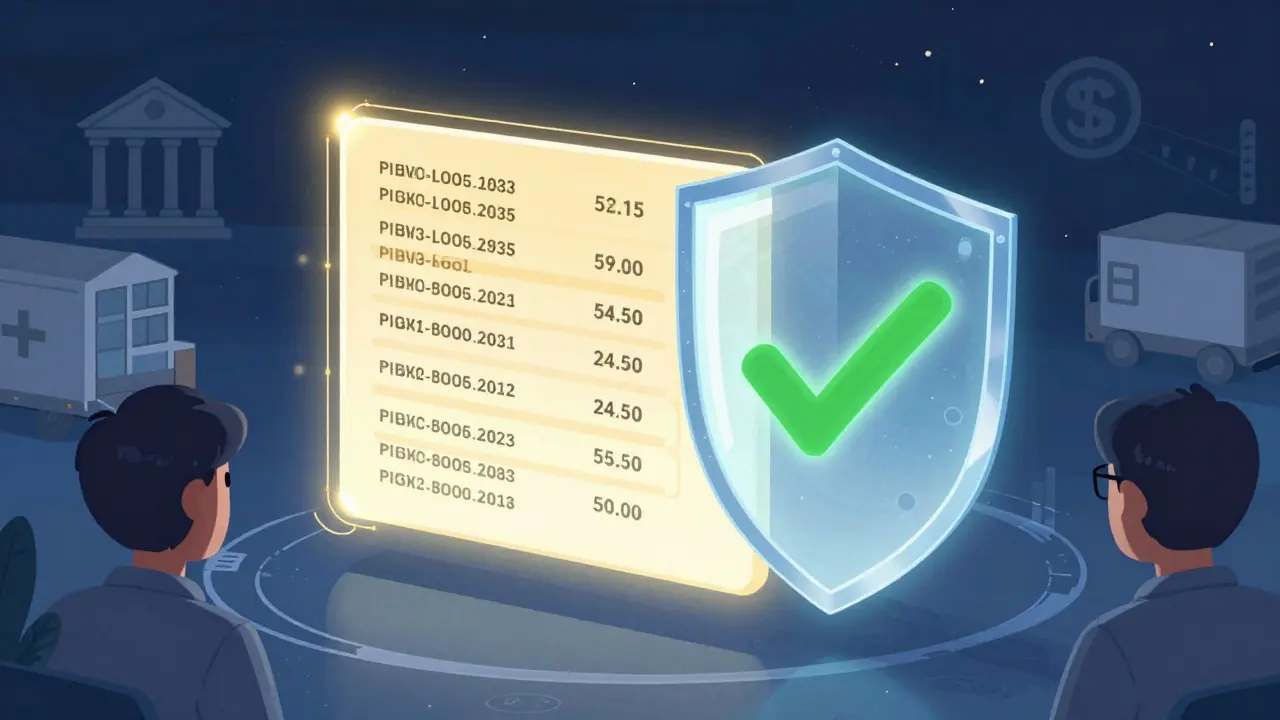
Blockchain offers transparency but clashes with privacy laws like GDPR. Discover how zero-knowledge proofs, off-chain storage, and privacy-by-design are solving this conflict in 2025 - without sacrificing trust or compliance.
Categories
 Finance
Archives
Recent-posts
Indian Crypto Exchanges to Avoid in 2025
Oct, 9 2024
ZERC DeRace Airdrop: Complete Guide to the zkRace Token Swap and Distribution
Jan, 18 2026
ProtoFi Crypto Exchange Review: What You Need to Know Before Trading PROTO
Dec, 16 2025

HeroesTD (HTD) Airdrop 2025: What We Know About the Coinmarketcap Event and Token Details
Dec, 11 2025
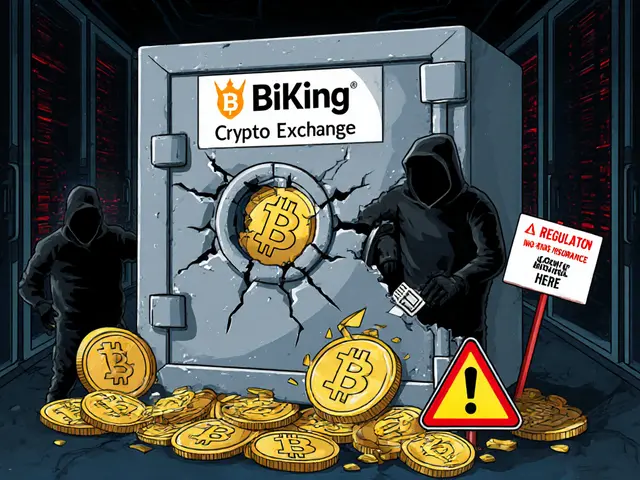
BiKing Crypto Exchange Review: High Risk, No Regulation, and Security Red Flags
Nov, 28 2025