
Everyone loves free money, right? But in the crypto world, "free" usually comes with a catch. You need to be early, active, or lucky. If you've been hearing whispers about the WELL airdrop and token distribution event, you're probably wondering if it's real, how to qualify, and what exactly you get. Here is the straight talk: as of September 2026, specific, confirmed technical specifications for a singular "WELL" airdrop remain elusive in major public registries compared to giants like Arbitrum or Optimism. However, understanding how these drops work-and how to position yourself for potential future distributions-is crucial for any serious DeFi participant.
The crypto landscape is flooded with rumors. Every week, a new protocol hints at a token launch. The challenge isn't just finding the drop; it's distinguishing between a genuine reward for loyal users and a marketing stunt that dumps tokens on unsuspecting wallets. This guide breaks down what we know, what we suspect, and how you can prepare your wallet strategy regardless of whether the WELL airdrop hits next week or next year.
What Is the WELL Project and Why Does It Matter?
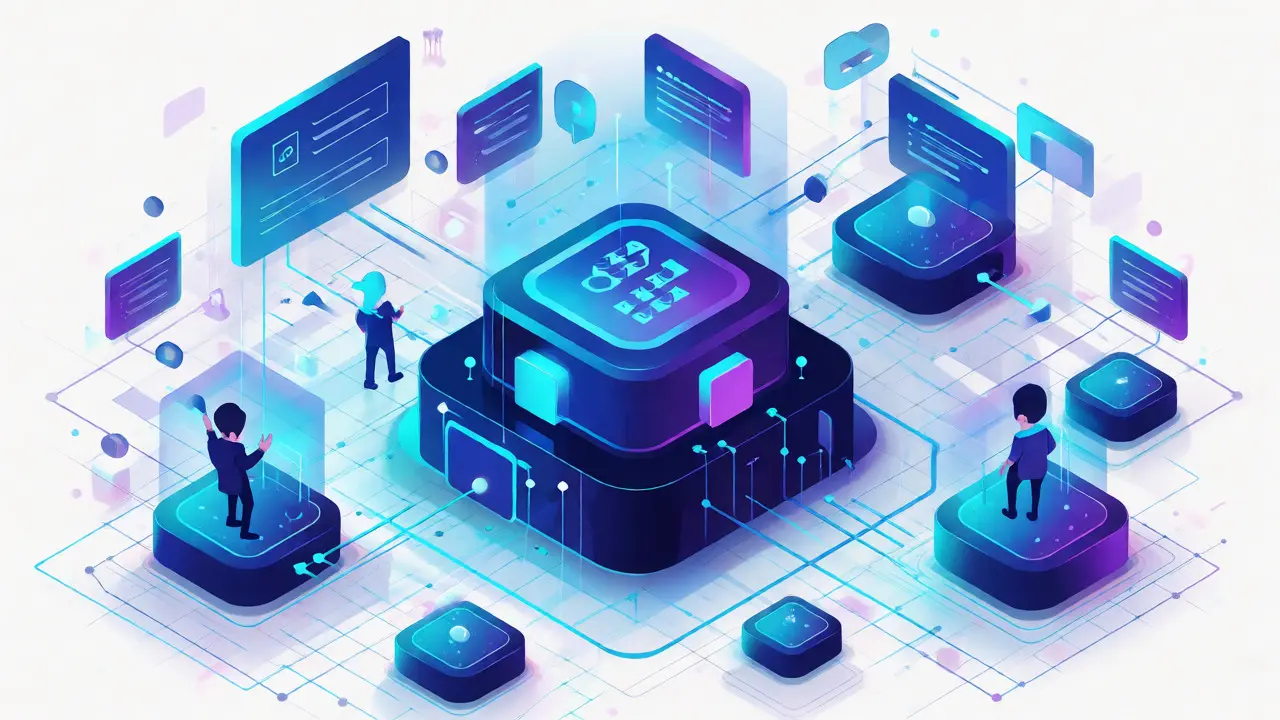
To understand the airdrop, you first need to understand the asset. In the decentralized finance (DeFi) ecosystem, projects often use native tokens to govern protocols and incentivize liquidity. While "WELL" might refer to a specific emerging protocol or a colloquial name for a wellness-focused blockchain initiative, its core function likely revolves around providing stable returns or health-related data verification on-chain. Unlike meme coins that rely purely on hype, utility-driven tokens like WELL aim to solve specific problems-perhaps integrating health data with financial incentives or offering yield-bearing stablecoins.
If you are tracking this project, keep an eye on its Total Value Locked (TVL). High TVL usually signals strong community backing, which makes an airdrop more likely because the team wants to decentralize ownership. Without a confirmed whitepaper release detailing the exact supply schedule, treat any "guaranteed" claims from random Twitter accounts with skepticism. Real airdrops are announced via official governance forums or verified social channels, not through DMs asking you to connect your wallet.
How Crypto Airdrops Actually Work
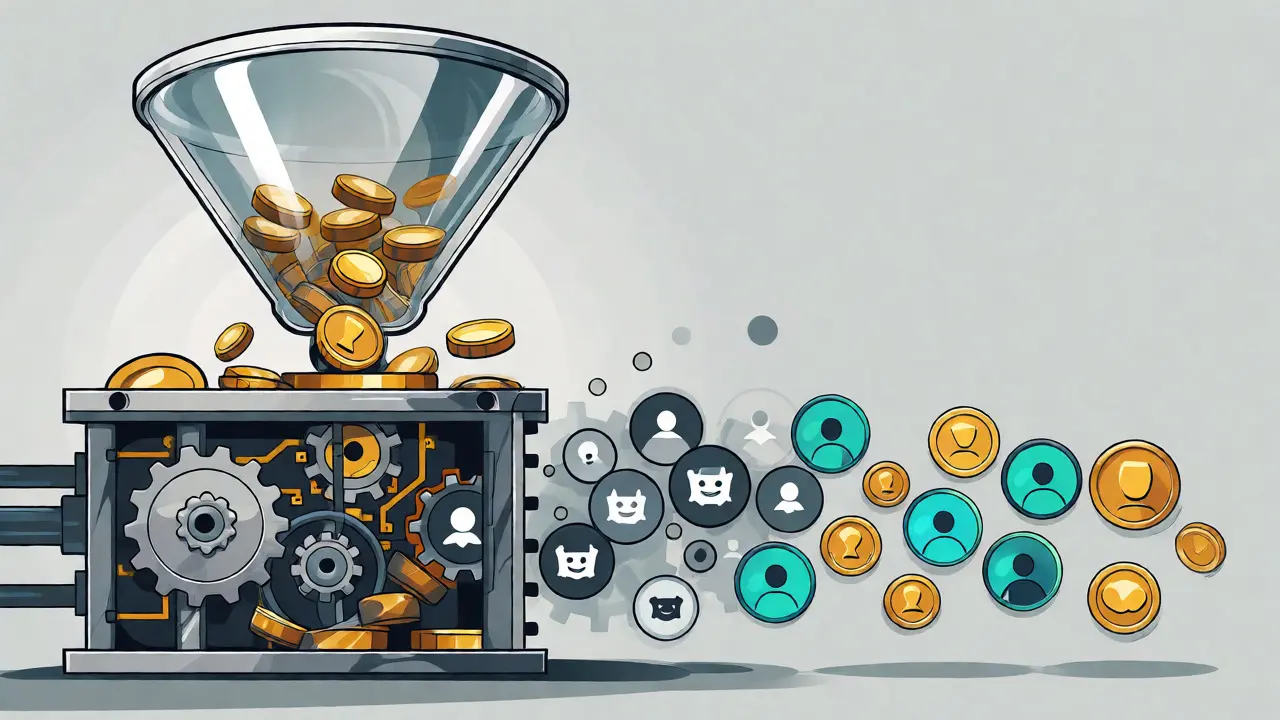
Airdrops aren't magic. They are smart contract executions. When a project decides to distribute tokens, they take a snapshot of eligible wallet addresses based on specific criteria. Think of it like a loyalty program at a coffee shop, but instead of getting a free latte after ten purchases, you get 500 tokens for bridging funds three times and holding a minimum balance for thirty days.
Most modern airdrops, including those potentially associated with WELL, follow a "points system." You earn points by interacting with the protocol. These points then convert into tokens at a predetermined rate when the mainnet launches. This method filters out sybil attackers-people who create hundreds of fake wallets to farm rewards. By requiring gas fees and transaction history, projects ensure that recipients are real humans using the network.
Potential Qualification Criteria for WELL
Since exact details for the WELL airdrop are still evolving, we can look at industry standards to predict eligibility. Most successful airdrops in 2025 and 2026 required users to meet at least two of the following conditions:
- Transaction Volume: Making a certain number of transactions on the testnet or mainnet. For example, completing five swaps or deposits.
- Holding Period: Keeping assets in the protocol for a set duration, such as 30 or 90 days, to prove long-term commitment rather than quick flipping.
- Minimum Balance: Maintaining a specific amount of ETH, USDC, or the native token in your wallet during the snapshot period.
- Governance Participation: Voting on proposals in the DAO (Decentralized Autonomous Organization), which shows you care about the project's direction.
If you haven't interacted with the WELL protocol yet, start small. Test the interface, make a minor deposit, and observe how the smart contracts behave. This low-risk approach helps you build a transaction history without exposing your entire portfolio to unverified code.
Risks and Red Flags to Watch Out For
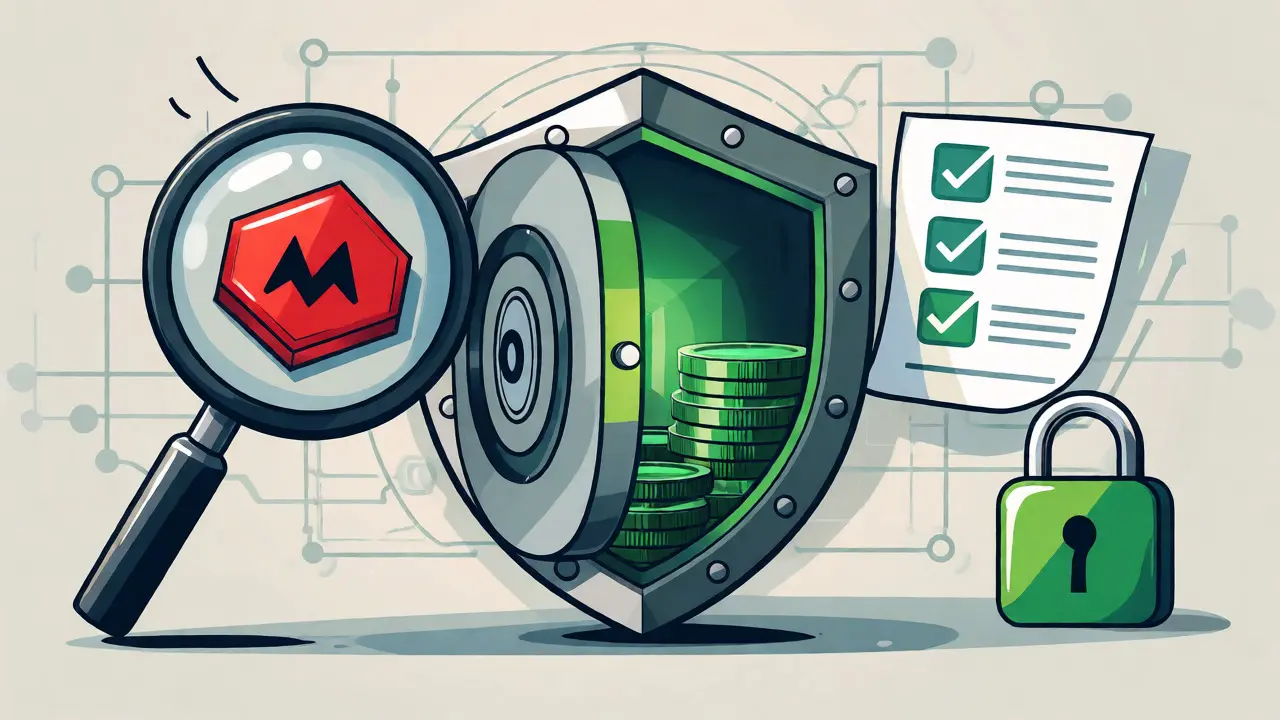
Not all airdrops are created equal. Some are scams designed to drain your wallet. The most common trick is the "claim" scam. You receive a notification saying you have WELL tokens waiting. You click a link, connect your wallet, and sign a transaction that looks like a claim but is actually an approval to spend your tokens. Once signed, a bot drains your stablecoins.
| Feature | Legitimate Airdrop | Potential Scam |
|---|---|---|
| Announcement Channel | Official Discord, GitHub, Verified Twitter/X | Unsolicited DM, Telegram group spam |
| Claim Process | No upfront fee; gas only | Requires sending ETH/BTC to "verify" address |
| Smart Contract | Verified on Etherscan; audited | Unverified code; unknown creator |
| Token Utility | Clear roadmap and governance role | Vague promises; no website or whitepaper |
Another red flag is urgency. Phrases like "Claim within 24 hours or lose everything" are classic pressure tactics. Legitimate protocols rarely force immediate claims because they want broad participation, not panic selling. Always verify the contract address on multiple sources before signing anything.
Strategic Positioning for Future Drops
Even if the WELL airdrop has already occurred or is delayed, positioning yourself correctly now pays off. The best strategy is diversification across high-potential Layer 1 and Layer 2 networks. Don't put all your eggs in one basket. Spread your activity across several promising protocols that have hinted at token launches.
Use tools like Dune Analytics or Nansen to track where the smart money is flowing. If whales are accumulating tokens in a specific sector-like DeFi health integrations or wellness NFTs-that’s a signal. Also, keep your gas reserves ready. Many airdrops require claiming on mainnet, which costs money. Having ETH ready prevents you from missing out due to lack of funds for transaction fees.
Finally, join the community early. Being an active member in the Discord server often grants you access to exclusive roles or early access to beta features. These interactions sometimes count toward airdrop multipliers. It’s not just about spending money; it’s about spending time and attention.
Is the WELL airdrop confirmed for 2026?
As of September 2026, there is no universally confirmed date for a single "WELL" airdrop in major crypto news outlets. It may refer to a niche project or a rumored event. Always check the official project website and verified social media channels for the latest announcements to avoid misinformation.
How do I check if my wallet qualifies for an airdrop?
Visit the official project's airdrop checker page. Connect your wallet (use a burner wallet first for safety) and enter your address. The tool will scan the blockchain for your transaction history and compare it against the eligibility criteria set by the smart contract.
Do I need to pay taxes on airdropped tokens?
In many jurisdictions, including the UK and US, airdropped tokens are considered taxable income at their fair market value on the day you receive them. Consult a tax professional familiar with cryptocurrency to ensure you report gains correctly.
What is a Sybil attack in crypto airdrops?
A Sybil attack occurs when one user creates multiple fake wallets to farm airdrops. Projects combat this by analyzing wallet behavior, such as transaction patterns and funding sources, to identify and exclude suspicious clusters of wallets from the distribution list.
Can I lose money participating in airdrop farming?
Yes. You risk losing money through gas fees, smart contract bugs, or depegging of stablecoins used in the protocol. Additionally, if the token price crashes after listing, your initial capital invested in the protocol may be worth less than the airdrop value.
 Finance
![What is [Fake] Test (TST) Coin? Warning and Analysis](/uploads/2026/04/thumbnail-what-is-fake-test-tst-coin-warning-and-analysis.webp)