
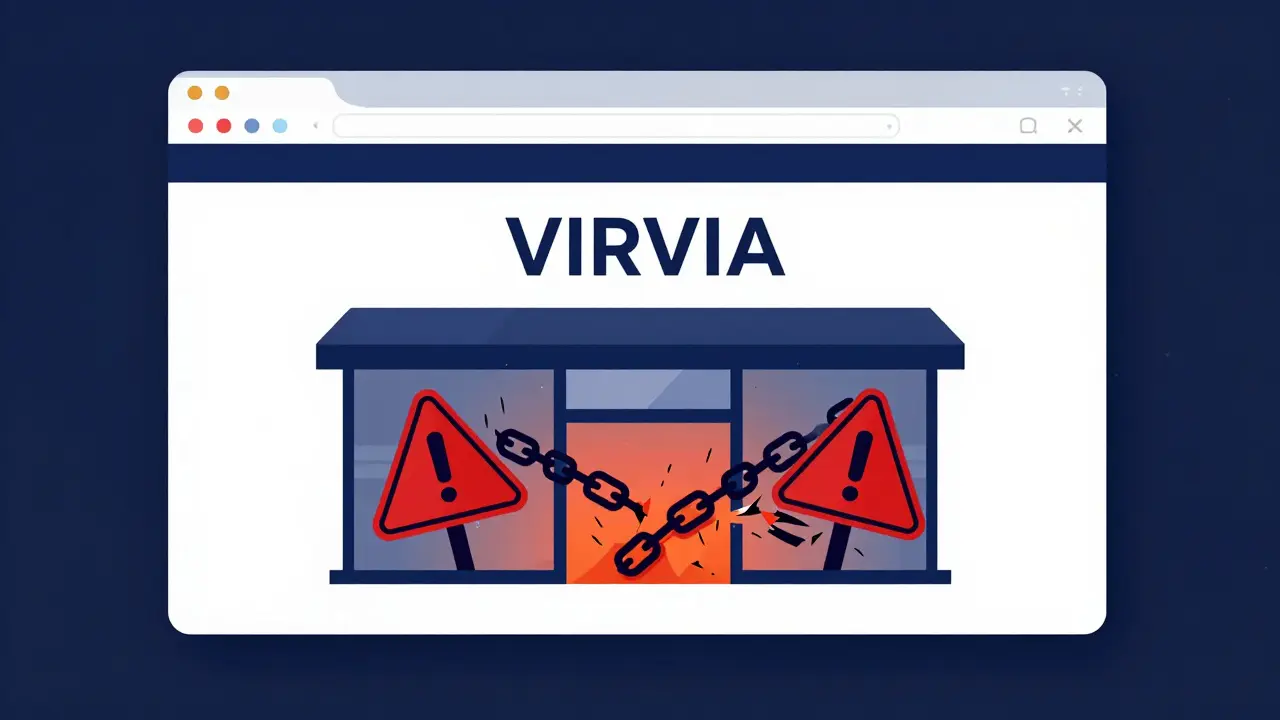
You’ve probably seen the ads. They pop up on social media or appear in suspicious Telegram groups, promising free cryptocurrency tokens just for browsing an online store. The promise is simple: shop at VIRVIA Online Shopping, connect your wallet, and receive VDV tokens as a reward. It sounds like easy money, doesn’t it? But before you click that link or connect your digital wallet, stop. This isn’t a legitimate opportunity. It’s a sophisticated trap designed to steal your assets.
The VIRVIA airdrop scheme is one of the most dangerous crypto scams circulating in 2025 and early 2026. Unlike genuine projects that build technology and communities, VIRVIA exists solely to exploit the greed and curiosity of unsuspecting users. By the time you realize the VDV token doesn’t exist, your wallet may already be drained. Let’s break down exactly how this scam works, why it’s so effective, and how you can protect yourself from falling victim to it.
The Anatomy of the VIRVIA Scam
To understand why VIRVIA is dangerous, we need to look at what makes it different from real opportunities. Legitimate blockchain projects announce their intentions through official channels like Twitter, Discord, and reputable news outlets. They provide whitepapers, team information, and technical documentation. VIRVIA has none of these. Instead, it relies on aggressive marketing and cloned websites.
The domain behind VIRVIA was registered recently using privacy services to hide the owner's identity. Security researchers have found that the website uses modified templates from legitimate e-commerce platforms like Shopify. However, they’ve injected malicious JavaScript code into the site. When you visit the page, nothing looks wrong. But when you try to "claim" your rewards by connecting your wallet, that hidden code springs into action.
| Feature | Real Crypto Project | VIRVIA / VDV Token |
|---|---|---|
| Official Channels | Verified Twitter, Discord, Website | Unverified social accounts, cloned sites |
| Token Contract | Publicly verifiable on Etherscan/Solscan | No contract exists on any blockchain |
| Requirements | Testnet participation, community engagement | Connect wallet immediately, no effort required |
| Cost | Gas fees only (sometimes) | Requests for seed phrases or large approvals |
| Security Audit | Audited by firms like CertiK or Halborn | Flagged as phishing by security experts |
The absence of a public smart contract is the biggest red flag. If you check Etherscan or Solscan, you will find zero records of a VDV token being deployed. Without a contract, there is no token. The entire operation is a facade. The goal isn’t to give you tokens; it’s to get access to the funds already in your wallet.
How Your Wallet Gets Compromised
Most people think connecting their wallet is harmless. You might believe you’re just signing a message to prove you’re human. In reality, you are granting permission for a third party to interact with your assets. Here is the step-by-step process of how the VIRVIA scam executes its theft:
- The Lure: You see an ad claiming you qualify for a free VDV token drop based on past shopping behavior or random selection.
- The Connection: You click the link and land on the VIRVIA Online Shopping site. It prompts you to connect your MetaMask, Phantom, or other wallet.
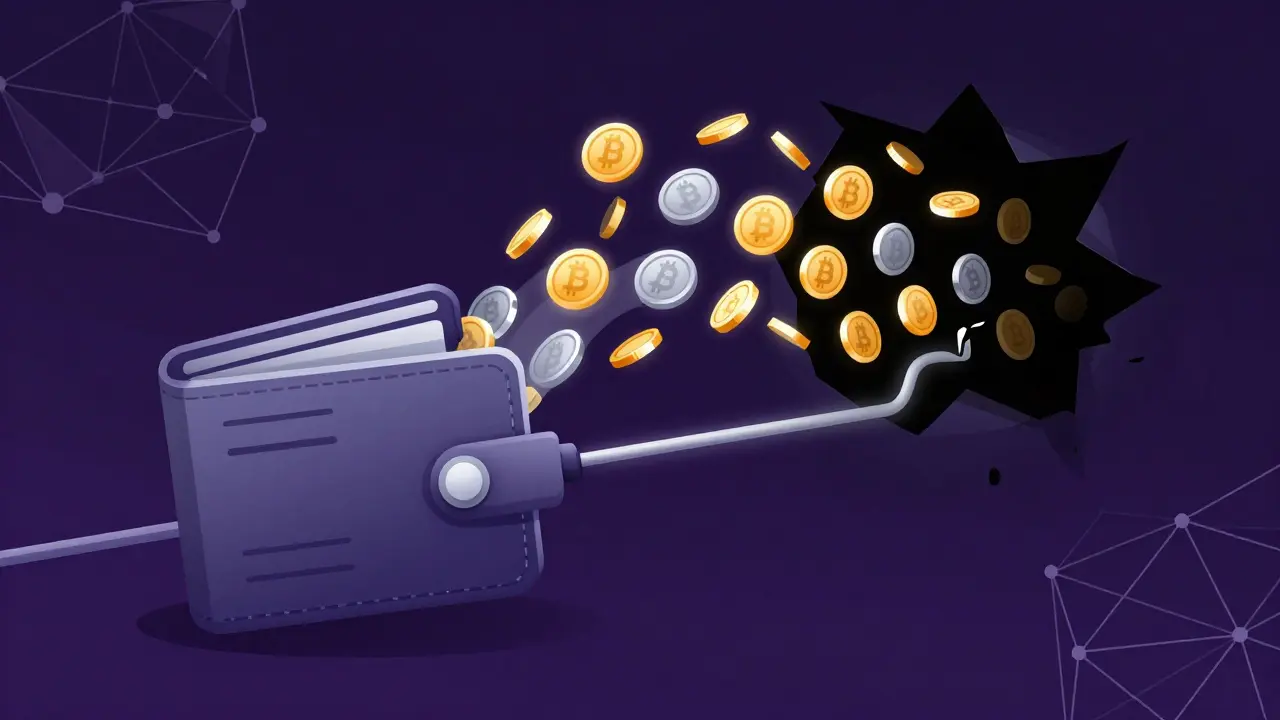
- The Approval Trap: Once connected, the site asks you to sign a transaction. This isn’t just a signature. It’s an "approve" function that allows the scammer’s address to spend unlimited amounts of your cryptocurrency.
- The Drain: As soon as you approve, the script runs. It transfers your ETH, SOL, or USDT to the attacker’s wallet. Within seconds, your balance hits zero.
- The Disappearance: The site may go offline, or the operators will change the domain name to continue targeting new victims. As reported by Chainalysis, these operations often migrate domains after takedown requests.
This method is particularly insidious because it exploits trust. Users assume that if a website looks professional, it must be safe. Scammers invest heavily in making their sites look identical to major retailers. They even use SSL certificates issued by providers like Cloudflare, which gives a false sense of security. Remember, an SSL certificate only means the connection is encrypted; it does not mean the business is legitimate.
Red Flags That Confirm VIRVIA Is a Fraud
If you are still unsure whether to trust VIRVIA, consider these critical warning signs documented by cybersecurity experts and user reports from communities like Reddit’s r/CryptoAirdrops.
- No Blockchain Presence: There is no developer activity, no funding rounds, and no community growth metrics associated with VIRVIA. Legitimate projects have footprints on GitHub and social media.
- Guaranteed Rewards: Real airdrops are never guaranteed. They depend on protocol usage, testnet participation, or holding specific assets. Promising "free tokens for minimal activity" is a classic scam tactic.
- Urgency Tactics: The site often claims the offer expires soon or that supply is limited. This pressure forces you to act without thinking critically.
- Requests for Seed Phrases: No legitimate service will ever ask for your twelve-word seed phrase. If VIRVIA or any similar site asks for this, disconnect immediately.
- Recent Domain Registration: The virvia.online domain was registered less than a year ago. Established companies do not launch major financial products on brand-new, anonymous domains.
Security firm CertiK reported that nearly 80% of "too good to be true" airdrop offers investigated in mid-2025 were confirmed scams. Fake shopping platform airdrops accounted for over 20% of those cases. VIRVIA fits this pattern perfectly. The Federal Trade Commission (FTC) also issued alerts warning consumers about shopping platform token airdrops, specifically naming VIRVIA as a high-risk operation.
The Impact on Victims
The consequences of falling for the VIRVIA scam are severe. According to data from the FBI’s Internet Crime Complaint Center (IC3), victims of similar cryptocurrency shopping scams lose an average of $785 per incident. Some users report losing thousands of dollars in a single transaction.
Beyond the financial loss, there is the emotional toll. Many victims feel embarrassed or foolish for being tricked. This shame prevents them from reporting the crime, allowing scammers to operate with impunity. Furthermore, once your wallet is compromised, recovering your funds is nearly impossible. Cryptocurrency transactions are irreversible. Even if law enforcement identifies the attackers, the stolen assets are often laundered through mixing services like Tornado Cash, making them untraceable.
In one documented case, a user lost approximately $850 after connecting their wallet to the VIRVIA site. The funds were moved to multiple addresses within minutes, demonstrating the automated nature of the attack. These scripts are pre-programmed to detect valuable wallets and drain them instantly.
How to Protect Yourself From Crypto Scams
Protecting yourself requires vigilance and a few simple habits. Here is how you can avoid becoming a statistic in the next viral scam campaign.
- Verify Before You Connect: Always check if a project has an official presence on trusted platforms. Look for verified badges on Twitter and active, moderated Discords. If you can’t find official links from the project itself, stay away.
- Use a Burner Wallet: Never connect your main wallet containing significant funds to unknown websites. Use a separate "burner" wallet with minimal funds for testing new protocols. If it gets drained, the loss is manageable.
- Check Contract Addresses: For any token claim, verify the contract address on Etherscan or Solscan. If the contract doesn’t exist or has no history, it’s a scam.
- Beware of Urgency: If an offer feels too urgent or too good to be true, it almost certainly is. Take your time to research. Legitimate projects don’t rush you.
- Revoke Permissions Regularly: Use tools like Revoke.cash to check what permissions your wallet has granted to various apps. Revoke any that you don’t recognize or no longer use.
- Ignore DMs: Scammers often target users via direct messages on social media. Do not engage with unsolicited messages offering free tokens.
Education is your best defense. Stay informed about common scam tactics by following reputable security researchers and news sources. The landscape changes quickly, but the core principles remain the same: if you didn’t earn it, you shouldn’t expect it for free.
What To Do If You’ve Already Connected
If you recently connected your wallet to VIRVIA or a similar suspicious site, act immediately. Time is critical.
- Disconnect the Wallet: Go to your wallet settings and remove the site from your allowed connections list.
- Revoke Approvals: Visit Revoke.cash and revoke all token approvals granted to the VIRVIA contract address. This stops future unauthorized transactions.
- Move Remaining Funds: Transfer any remaining assets to a new, secure wallet address. Consider this old wallet compromised.
- Report the Incident: File a report with local authorities and international bodies like the IC3. While recovery is unlikely, your report helps build a case against the operators.
Do not pay anyone who claims they can recover your funds. These are secondary scammers looking to exploit your desperation. Only trusted exchanges or legal entities can assist with investigations, and even then, success rates are low.
Is the VIRVIA airdrop real?
No, the VIRVIA airdrop is not real. It is a confirmed scam designed to steal cryptocurrency from users. There is no VDV token on any blockchain, and the website uses malicious code to drain connected wallets.
Can I get free VDV tokens by shopping at VIRVIA Online?
You cannot get VDV tokens because they do not exist. Any attempt to claim them by connecting your wallet will result in the loss of your existing cryptocurrency assets. The shopping aspect is a cover for the phishing attack.
How did scammers know my wallet address?
Scammers often buy lists of wallet addresses from previous hacks or data breaches. Alternatively, they send mass emails or messages hoping some recipients will click the link. Your address being targeted does not mean you owe them anything; it just means you were randomly selected.
What should I do if I connected my wallet to VIRVIA?
Immediately disconnect your wallet, revoke all approvals using a tool like Revoke.cash, and move any remaining funds to a new wallet address. Treat the compromised wallet as unsafe for future transactions.
Are there any legitimate shopping-related crypto airdrops?
While some legitimate Web3 retail projects exist, they always have transparent teams, audited contracts, and clear utility. They never ask for seed phrases or guarantee free tokens for minimal effort. Always verify a project through independent sources before participating.
 Finance