

Toddler NFT Game: What It Is and Why It Matters for Parents and Developers
When you hear toddler NFT game, a digital game designed for children under 3 that uses non-fungible tokens as rewards or collectibles. Also known as NFT games for kids, it combines basic interactive play with blockchain-based incentives—like earning digital stickers or animated pets that exist on a ledger. These aren’t just cartoons with flashy graphics. They’re built on blockchain tech that assigns unique ownership to every in-game item, even if the child doesn’t understand what that means.
Behind most toddler NFT games are companies trying to tap into the play-to-earn model, but adapted for tiny hands and short attention spans. Instead of complex quests, these games reward simple actions: tapping a bouncing ball, matching colors, or dragging shapes into slots. The reward? A cute NFT character that lives on a wallet, often tied to a parent’s account. That’s where things get tricky. NFTs, unique digital assets stored on a blockchain that can’t be copied or replaced. Also known as digital collectibles, they’re meant to hold value—but can a 2-year-old’s animated dog really be worth anything? And who owns it if the child grows up and loses interest? Parents aren’t just observers—they’re gatekeepers, wallet managers, and sometimes, unintentional investors.
These games also raise questions about blockchain gaming for children, the use of decentralized ledgers to track ownership and rewards in games designed for young users. Also known as kids’ Web3 games, it’s a new frontier where education meets speculation. Some developers claim these games teach kids digital literacy. Others are just trying to build early brand loyalty in a market where parents are easy targets for viral marketing. The real risk? Normalizing crypto interactions before a child can even tie their shoes. And while some toddler NFT games are harmless fun, others come with hidden fees, unclear terms, or links to adult-oriented platforms.
What you’ll find in the posts below aren’t reviews of specific toddler NFT games—there aren’t many reliable ones yet. Instead, you’ll see real analysis of similar projects: how NFTs are used in kid-focused apps, what happens when these games shut down, how wallets are managed for minors, and whether any of this has lasting value—or if it’s just another bubble wrapped in cartoon fur. These aren’t theoretical debates. They’re practical warnings from people who’ve watched parents get caught off guard by unexpected charges, lost access to digital items, or worse—exposing their kids to unsafe digital environments. If you’re wondering whether a toddler NFT game is a toy or a trap, the answers are here.
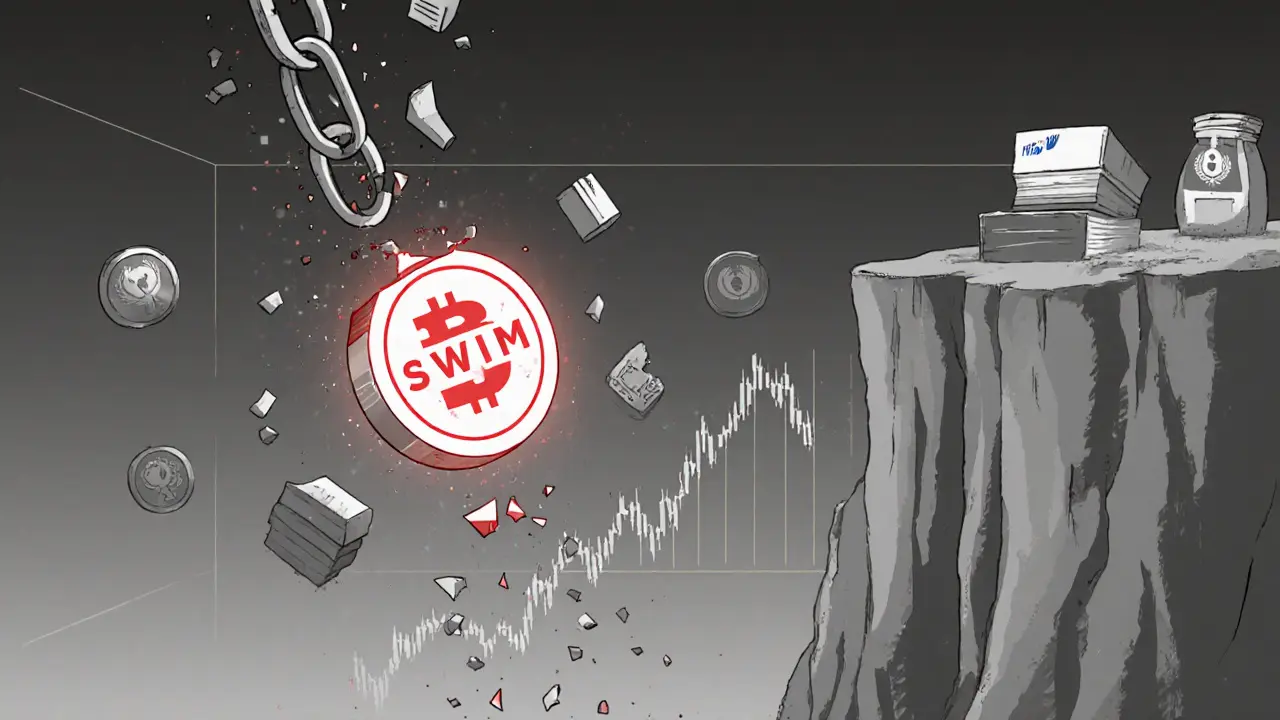
SWIM (Spread Wisdom) is a cryptocurrency that promised to share wisdom and teach toddlers through blockchain - but it never delivered. With near-zero trading volume and no real users, it's now a cautionary tale in crypto.
Categories
 Finance
Archives
Recent-posts
Astra Protocol x CoinMarketCap Airdrop: What’s Real and What’s Confused
Nov, 12 2025
Malta Blockchain Island Strategy: A Practical Guide for Crypto Businesses
Oct, 15 2025
Why Are Crypto Prices So Volatile? The Real Reasons Behind the Rollercoaster
Jan, 7 2026
Indian Crypto Exchanges to Avoid in 2025
Oct, 9 2024
WoofSwap Crypto Exchange Review: Features, Fees & Future Outlook
Feb, 21 2025