

Solana DeFi: Real Platforms, Risks, and What Actually Works
When you hear Solana DeFi, a collection of decentralized finance apps built on the Solana blockchain that let you trade, lend, and earn crypto without banks. Also known as DeFi on Solana, it’s one of the fastest and cheapest places to interact with crypto outside of centralized exchanges. Unlike Ethereum, where gas fees can spike to $50 just to swap tokens, Solana handles thousands of transactions per second for pennies. That’s why so many DeFi projects—swaps, lending pools, yield farms—have moved here. But speed and low cost don’t mean safety. Many of these platforms are built by anonymous teams with no audits, no insurance, and no way to recover your funds if things go wrong.
Solana DEX, decentralized exchanges like Minswap V2 and Flamingo Finance that let you trade tokens directly from your wallet are the backbone of Solana DeFi. They don’t hold your money—you do. That’s good if you know what you’re doing. Bad if you click on a fake link or invest in a token with zero liquidity. Look at Flamingo Finance: it offers swaps, vaults, and even perpetual futures all in one place. Sounds powerful? But it’s flagged by Binance for monitoring, has thin trading volume, and its tokenomics are unclear. Same goes for newer names like THENA FUSION. They promise 60x leverage and gamified trading, but who’s backing them? And what happens when the team disappears? That’s not speculation—that’s happened before with IQFinex, CEEX, and GCOX. These aren’t just bad apps. They’re warnings.
Solana airdrop, free token distributions tied to Solana projects that often target early users or wallet holders is another big draw. People chase them like free money. But most are scams. The Sonar Holiday airdrop? Fake. CoPuppy x CoinMarketCap? Fake. Even legitimate-looking ones like LFW x CMC or VDR from Vodra often lead to tokens worth nothing weeks later. You don’t need to earn tokens—you need to protect your wallet. Never connect your wallet to a site you don’t fully trust. Never click on a link that says "claim your free Solana token". Real airdrops don’t ask for your private key.
Solana DeFi isn’t dead. It’s just messy. There are real tools here—Minswap V2 is fast, clean, and trusted by active traders. But the noise? The hype? The promises of 1000% returns? That’s where people lose everything. You don’t need to chase every new token. You don’t need to try every DeFi app that pops up. You just need to know what’s real, what’s risky, and what’s a trap. Below, you’ll find honest reviews of the platforms people actually use, the airdrops that turned out to be scams, and the projects that vanished overnight. No fluff. No marketing. Just what happened—and what you should do next.
An in-depth review of Quanto DEX, exploring its flexible collateral models, low fees, and risks compared to competitors like Hyperliquid for 2026.
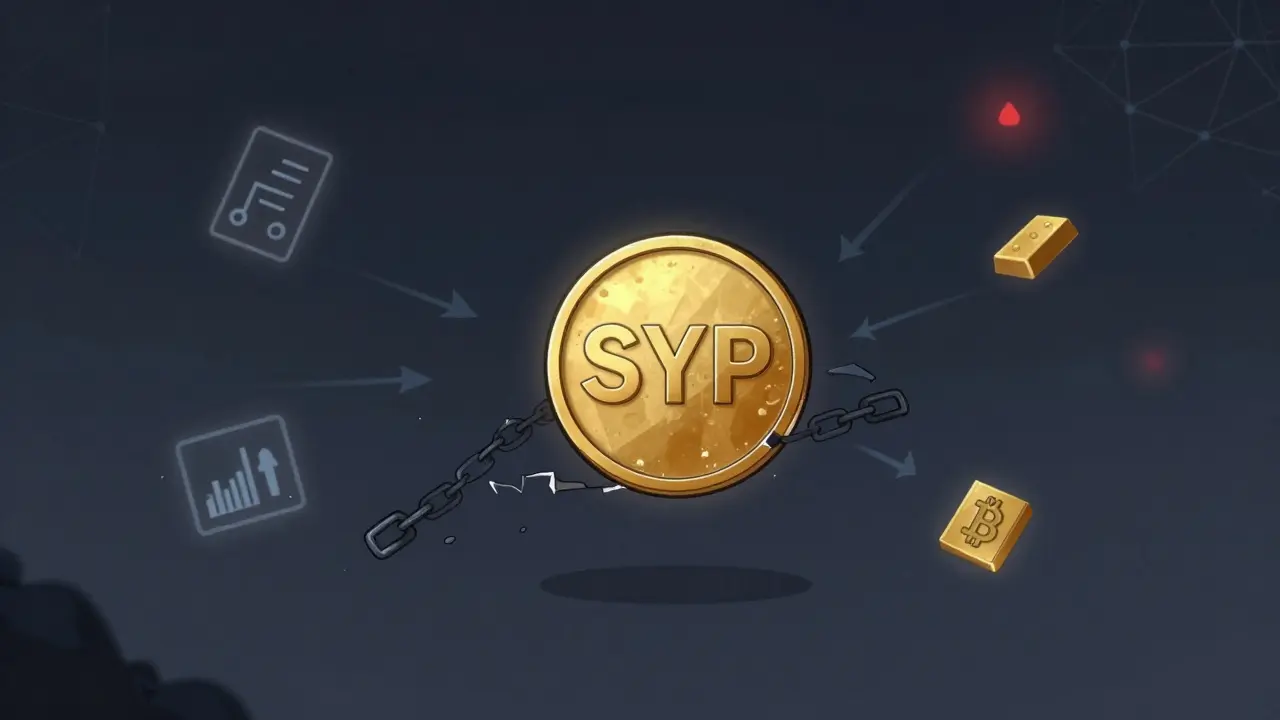
Sypool (SYP) is a Solana-based DeFi token for synthetic assets, but it's nearly dead with a 99.88% price drop, no team updates, and minimal trading. Don't invest.
Categories
 Finance
Archives
Recent-posts
BiKing Crypto Exchange Review: Risks, Security Issues, and Why It’s Not for Most Traders
Nov, 28 2025
ETHPAD's GRAND Airdrop: What We Know and How to Participate
Feb, 8 2026
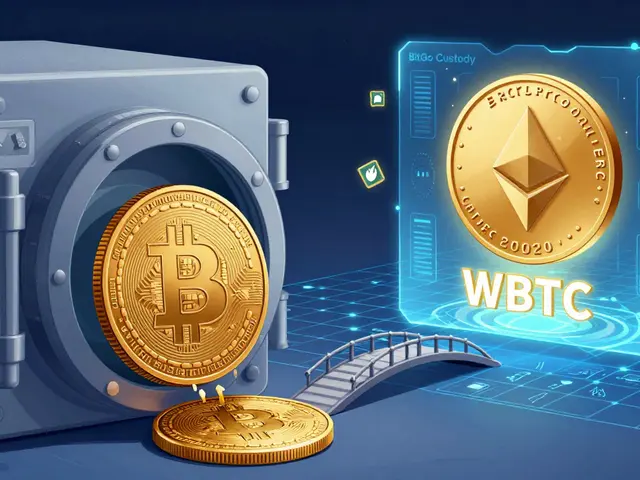
How Wrapped Bitcoin (WBTC) Works: The Complete Guide to Tokenized Bitcoin on Ethereum
Jan, 23 2026
Bolivia’s Crypto Ban: From Total Prohibition to Rapid Adoption
Nov, 28 2024

VCC Exchange Crypto Exchange Review: What Happened and Why It Shut Down
Oct, 31 2025