

NFT Traceability: How to Track Ownership and Provenance on the Blockchain
When you buy an NFT, you’re not just buying a picture—you’re buying a verifiable record that lives on the NFT traceability, the system that records and verifies the full history of a digital asset’s ownership and movement across blockchains. Also known as blockchain provenance, it’s what stops someone from claiming they own a digital artwork that was sold three years ago to someone else. Without this, NFTs would just be JPEGs with a fancy label. But because every transfer, sale, and mint is permanently written to the blockchain, you can trace every step of its life—from the first creator to the latest buyer.
This isn’t just about bragging rights. NFT ownership, the legal and technical claim to a unique digital asset recorded on a public ledger is what gives NFTs value. If you can’t prove you’re the real owner—or worse, if the NFT you bought was copied or stolen—then it’s worthless. That’s why platforms and collectors rely on traceability to avoid scams. And it’s not just for art. Think of NFTs used in gaming, music, or even real estate. Each one needs a clear, unbroken chain of custody. NFT security, the practices and technologies that protect digital assets from theft, fraud, and unauthorized transfers depends entirely on this traceability. If a wallet gets hacked or a marketplace gets compromised, the blockchain still remembers who held it before—and that’s your lifeline.
But traceability isn’t perfect. Some NFTs are minted on obscure chains with no audit trails. Others are wrapped, bridged, or tokenized across networks, making their history messy. That’s why you need tools and knowledge to check where an NFT came from, who signed it, and whether the contract has been verified. The posts below show you real examples: how to spot fake NFTs, how fan tokens like IBFK or YMS use traceability to reward fans, how airdrops like EPICHERO track eligibility, and why platforms like AjuBit and CRODEX fail when they ignore it. You’ll also see how blockchain fundamentals like digital signatures and smart contracts make this all possible. Whether you’re buying, selling, or just curious, understanding NFT traceability means you’re no longer guessing—you’re verifying.
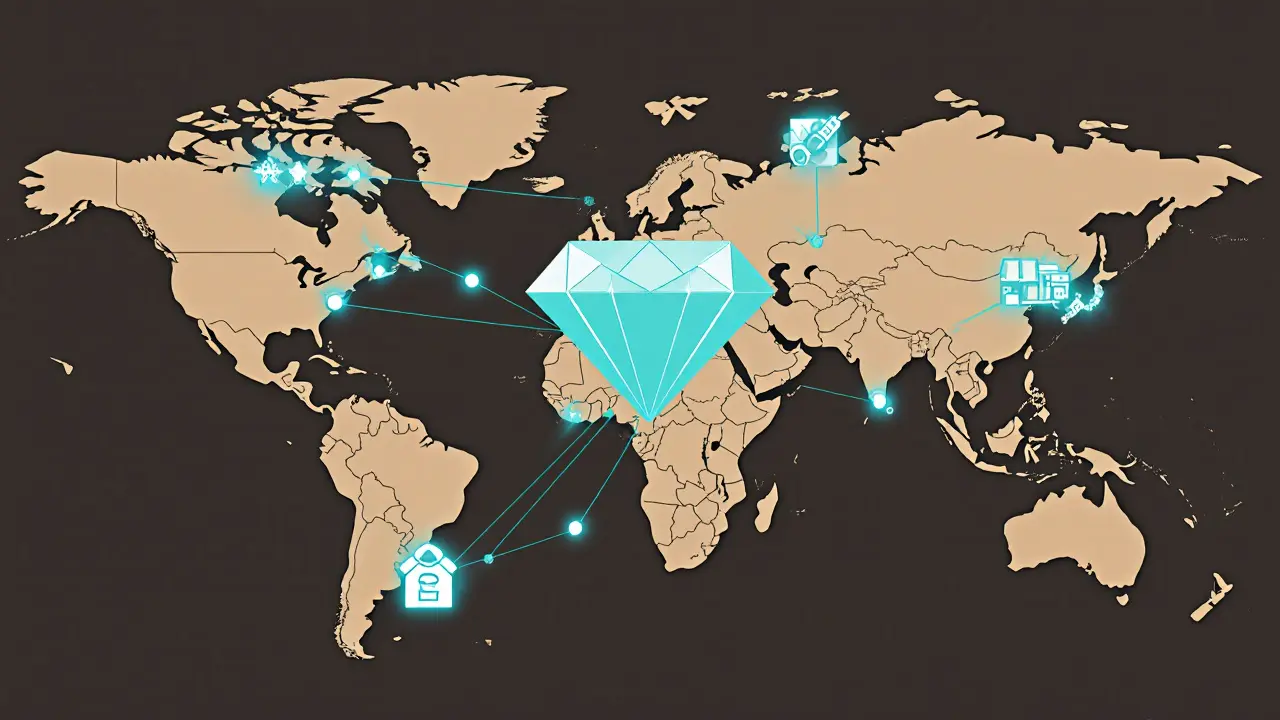
NFTs are transforming global supply chains by providing unbreakable digital identities for products, reducing counterfeits, improving traceability, and automating payments. Learn how luxury brands, pharma, and logistics firms are using blockchain to build trust.
Categories
 Finance
Archives
Recent-posts
AjuBit Crypto Exchange Review: Best for Crypto-to-Fiat Transfers in 2025
Oct, 27 2025
Everything You Need to Know About the APIS Airdrop (2025)
Jun, 10 2025
Blockchain Transparency vs Privacy: How to Balance Both Without Sacrificing Trust
Dec, 4 2025
AST Unifarm Airdrop by AST.finance: What You Need to Know
Oct, 4 2025
How North Korea Converts Stolen Cryptocurrency to Fiat: A Detailed Breakdown
Feb, 6 2026