

NFT Fraud Prevention: How to Spot Fake Airdrops and Protect Your Assets
When dealing with NFT fraud prevention, the practice of identifying and stopping scams that target NFT collectors and investors. Also known as NFT scam protection, it helps users keep their digital assets safe.
One of the biggest risks today is bogus airdrop verification, checking the legitimacy of free token or NFT distributions before claiming. Without solid verification, a flashy giveaway can turn into a wallet‑draining trap. NFT fraud prevention also relies on a thorough smart contract audit, a technical review that confirms code behaves as promised and contains no hidden backdoors. Finally, using a whitelist marketplace, a platform that only lists vetted NFTs and creators adds another safety layer. In short, NFT fraud prevention encompasses airdrop verification, requires smart contract audits, and benefits from whitelist marketplaces.
Start by confirming the source. Official announcements should come from a verified social media account or the project’s own website. Cross‑check the wallet address against known scam lists; many community‑run blacklists are updated daily. If an airdrop promises unusually high rewards for minimal effort, treat it as a red flag. Next, inspect the underlying contract on a block explorer. Look for functions like “transferFrom” that can move any token the user holds – that’s a classic drain pattern. A clean contract will have transparent ownership, clearly defined minting limits, and no hidden admin functions. When in doubt, search the contract address on audit platforms such as CertiK or Hacken; a posted audit report is a strong credibility signal.
Tools make the process faster. Blockchain explorers let you see token holdings and transaction history at a glance. Services like EtherscamDB aggregate reports of known fraudulent contracts, letting you spot trouble before you click. Some browsers offer extensions that automatically flag suspicious NFT links. Community channels – Discord servers, Reddit threads, and Telegram groups – often discuss new airdrops in real time; a quick poll of the community can reveal whether a giveaway is legit or a hoax. Finally, stick to marketplaces that enforce KYC and vet creators. Whitelist platforms usually require creators to submit proof of project legitimacy, reducing the chance of counterfeit NFTs slipping through.
The posts below dive deeper into real‑world examples, from the 1MillionNFTs airdrop myth to how to verify the Monad "1 Million Nads" NFT. You’ll find step‑by‑step guides, risk assessments, and practical tips that align with the fraud‑prevention workflow we just outlined. Whether you’re a seasoned collector or just starting, the collection offers actionable insights to keep your NFTs safe and your wallet intact.
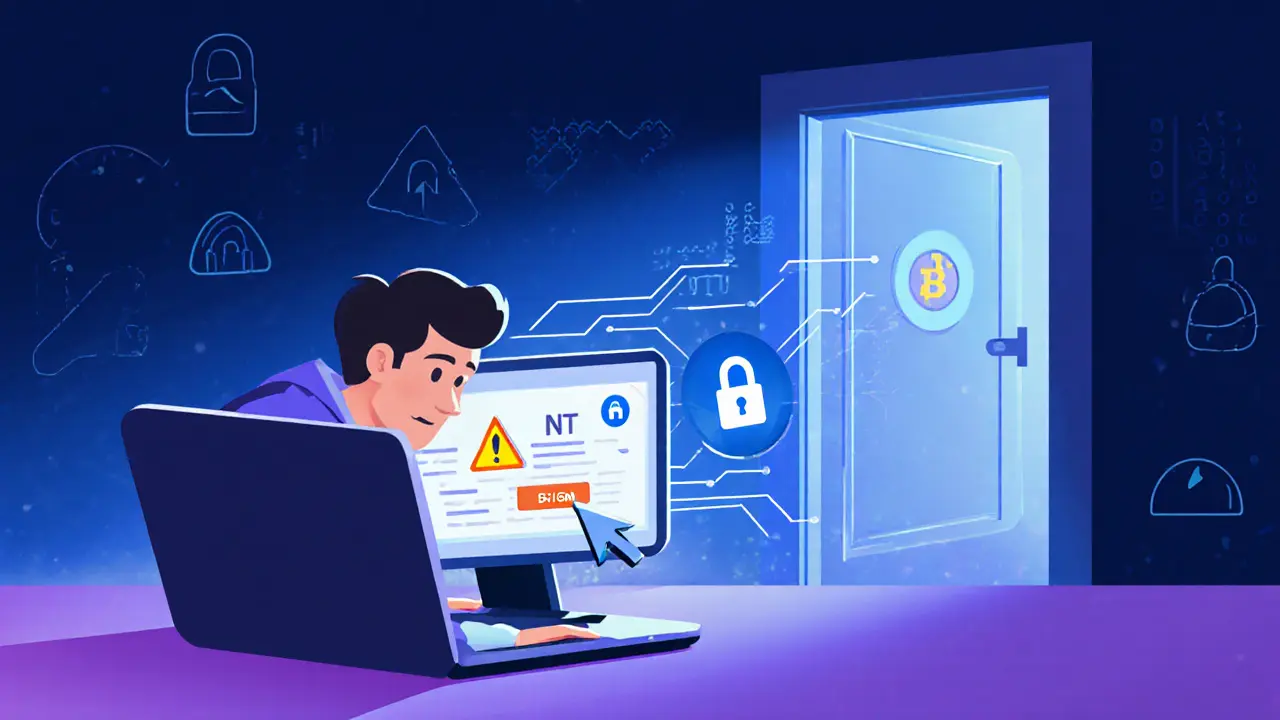
A practical guide covering wallet choices, marketplace safeguards, contract audits, permission management, and future trends to keep your NFT trades safe in 2025.
Categories
 Finance
Archives
Recent-posts
Pangea Swap Review: Klaytn DEX with Concentrated Liquidity
Jul, 22 2025
CSM Airdrop by Crust Shadow: Full Details, Eligibility & How to Claim
May, 30 2025
What is The Professor (LAB) crypto coin? The low-cap meme coin on Solana explained
Feb, 16 2026
BZZONE Airdrop: What You Need to Know About Bzzone Token Distribution in 2025
Dec, 19 2025

ZUKI Moba NFT Silver Chest Airdrop: What You Need to Know in 2026
Feb, 25 2026