

Liquidity Provision: The Engine Behind Seamless Token Swaps
When working with Liquidity Provision, the practice of depositing assets into a shared pool so users can trade without waiting for a counter‑party. Also known as liquidity supplying, it keeps price slippage low and rewards contributors with a slice of transaction fees.
Understanding liquidity provision starts with the Liquidity Pool, a smart‑contract vault that holds two (or more) tokens in a fixed ratio. These pools are the backbone of Automated Market Makers, commonly called AMMs, which replace traditional order books with mathematical formulas that price trades. When you add assets, the AMM instantly updates its price curve, enabling anyone to swap tokens at any time. This connection means liquidity provision encompasses both pool creation and the underlying pricing algorithm.
Key Concepts in Liquidity Provision
Beyond basic pools, modern DeFi introduces Concentrated Liquidity, a feature that lets providers focus capital around specific price ranges, boosting capital efficiency. Platforms like Uniswap V3 or Pangea Swap use this to let smaller providers earn comparable fees to large whales. Another layer is Yield Farming, where the tokens you lock in a pool are further staked in reward contracts to earn extra tokens. Yield farming requires a clear view of impermanent loss risk, as price swings can erode part of your capital. Both concepts tie back to liquidity provision by turning passive fee collection into an active income strategy.
The ecosystem wouldn’t work without Decentralized Exchanges, the user‑facing portals that let traders interact with AMMs and pools. DEXs like OpenSwap, Azurswap, or SuperEx showcase how liquidity provision fuels real‑world trading volume, and why a well‑balanced pool can mean the difference between a smooth swap and a costly slippage hit. As you explore the articles below, you’ll see how liquidity provision shapes exchange design, impacts token listings, and even influences regulatory conversations around market stability.
Below you’ll find a curated set of guides, reviews, and deep‑dives that illustrate these ideas in action—from concentrated liquidity on Klaytn’s Pangea Swap to practical tips for assessing pool health on popular DEXs. Dive in to see how each piece fits into the broader picture of supplying liquidity, earning rewards, and keeping DeFi markets humming.
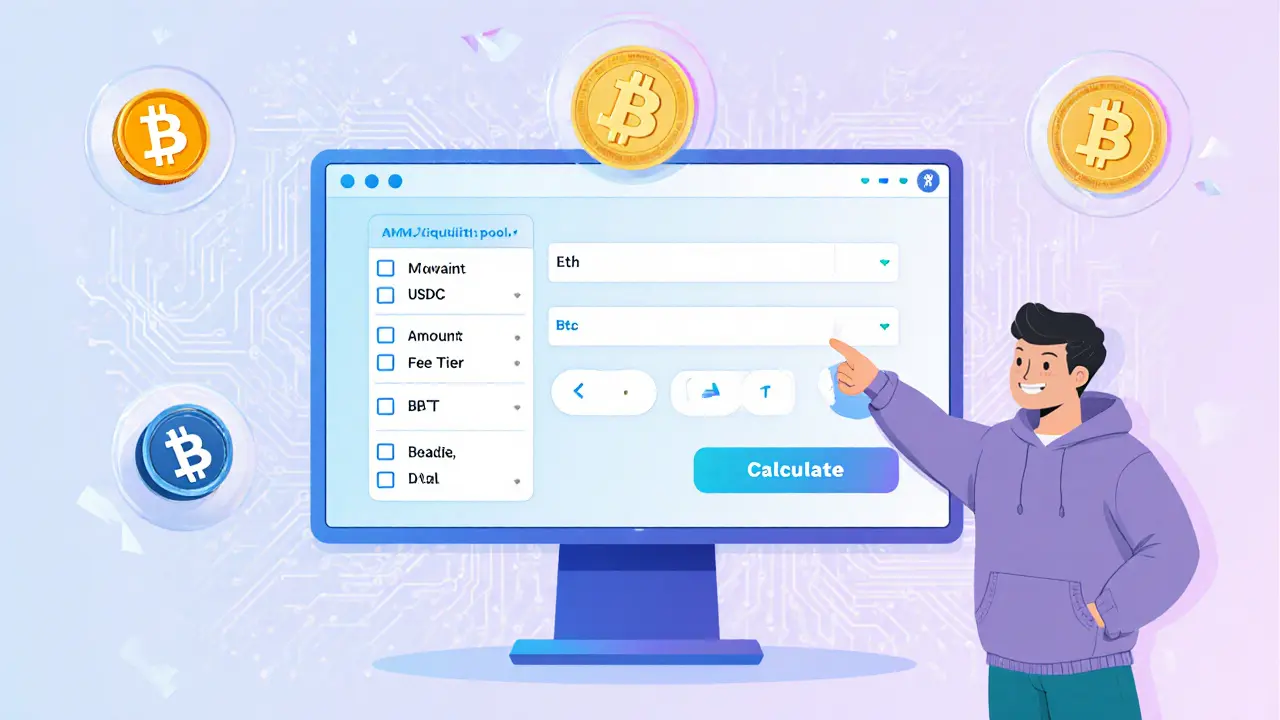
Learn how to earn fees by providing liquidity to AMM pools, avoid impermanent loss, and use advanced strategies for better DeFi returns.
Categories
 Finance
Archives
Recent-posts
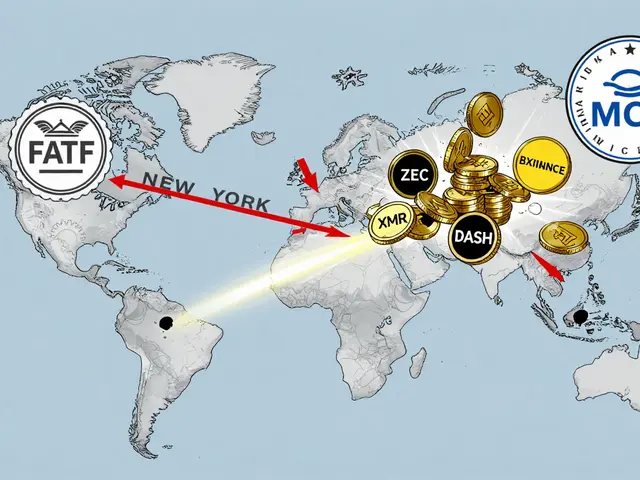
Privacy Coin Delisting Wave from Crypto Exchanges: Why Major Platforms Are Dropping XMR, ZEC, and DASH
Dec, 4 2025
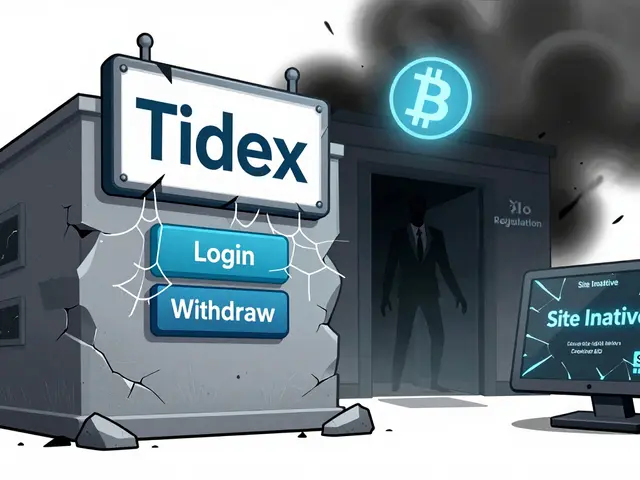
Tidex Crypto Exchange Review: What Really Happened to This Platform?
Mar, 14 2026

What is Children Of The Sky (COTS) crypto coin? Real risks, no game, and why it's fading fast
Jan, 31 2026

P2P Crypto Trading in Bangladesh: How It Works Despite the Ban
Dec, 18 2025

Perpetual Protocol Crypto Exchange Review: Decentralized Perps in 2026
Jan, 15 2026