

Crypto Compliance
When dealing with Crypto Compliance, the set of rules, taxes, and reporting standards that keep crypto operations legal and transparent. Also known as digital asset compliance, it bridges the gap between innovators and regulators.
One major pillar is cryptocurrency regulation, government policies that define what can be issued, traded, or used as payment. Countries like China and India have taken opposite routes, showing how regulation shapes market dynamics. Another critical piece is crypto tax, the fiscal obligations that arise from buying, selling, or holding digital assets. Whether it’s a 30% flat rate in India or a 0% long‑term rule in Germany, tax codes directly impact traders' bottom lines. Finally, AML, anti‑money‑laundering procedures that require identity checks and transaction monitoring ensures illicit funds don’t slip through decentralized channels. Understanding how these three entities interlock helps anyone—from solo traders to large exchanges—navigate the legal maze without costly mistakes.
Key Areas of Crypto Compliance
Exchange compliance is the next layer you’ll hit. Platforms must register as Virtual Asset Service Providers (VASPs), file Know‑Your‑Customer (KYC) data, and keep detailed transaction logs for auditors. Failure to do so can trigger fines, bans, or even criminal charges, as seen in recent enforcement actions across Europe and South America. Crypto compliance also demands real‑time monitoring tools that flag suspicious patterns, automate tax calculations, and generate reports for tax authorities. Many firms now use blockchain analytics suites to trace token flows, keeping their AML screens up to date. The landscape evolves fast: new stablecoin frameworks, central bank digital currencies, and cross‑border data‑sharing agreements continuously reshape the rulebook.
All this might sound overwhelming, but the articles below break each piece down into bite‑size guides. You’ll find country‑specific tax breakdowns, step‑by‑step exchange registration checklists, and practical tips for staying audit‑ready. Dive in to see how regulators, tax agencies, and compliance tools intersect, and why mastering these links is the fastest way to protect your crypto ventures.
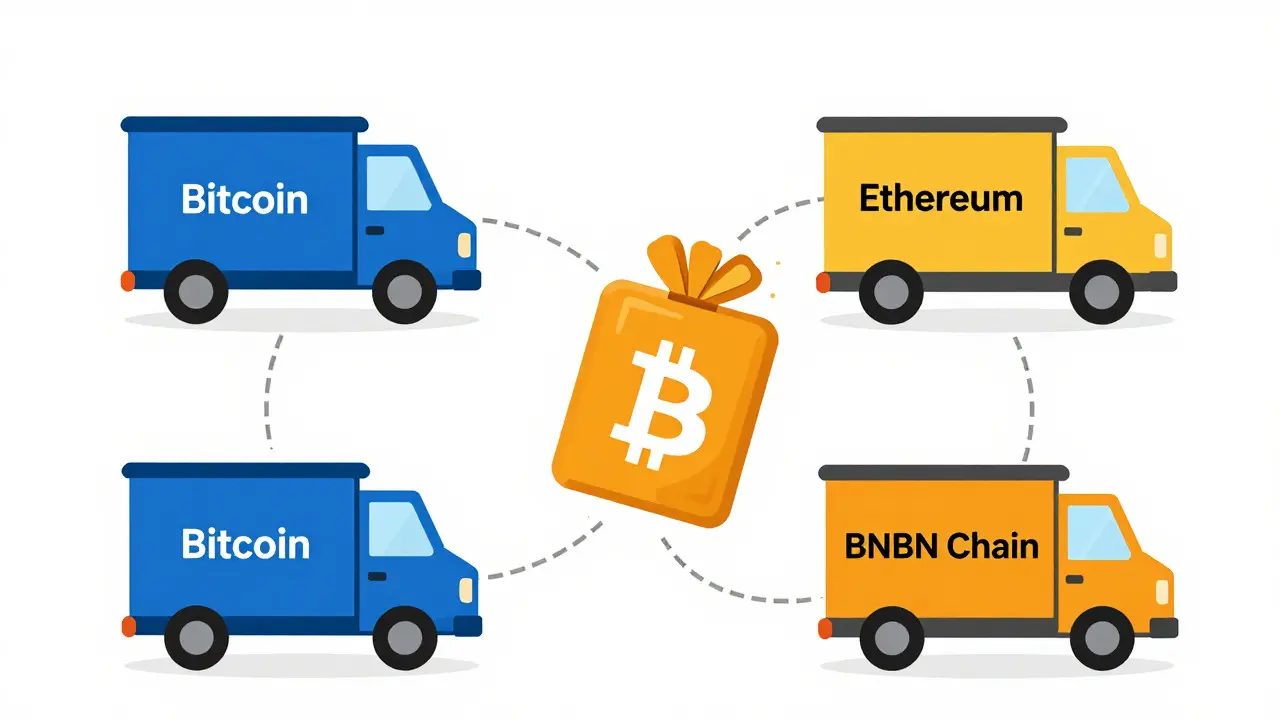
Learn how cross-chain crypto transaction monitoring works in 2026. Discover tools like Scorechain, regulatory requirements from FATF and AMLA, and strategies to combat money laundering across multiple blockchains.

Using multiple crypto exchanges to avoid restrictions may seem smart, but it's risky and often illegal. Learn how regulators are catching users, why nested exchanges are dangerous, and what to do instead.

A 2025‑ready guide covering utility token regulation, Howey test, EU MiCA, compliance checklists, on‑chain controls and emerging trends for crypto projects.
Categories
 Finance
Archives
Recent-posts
Indian Crypto Exchanges to Avoid in 2025
Oct, 9 2024
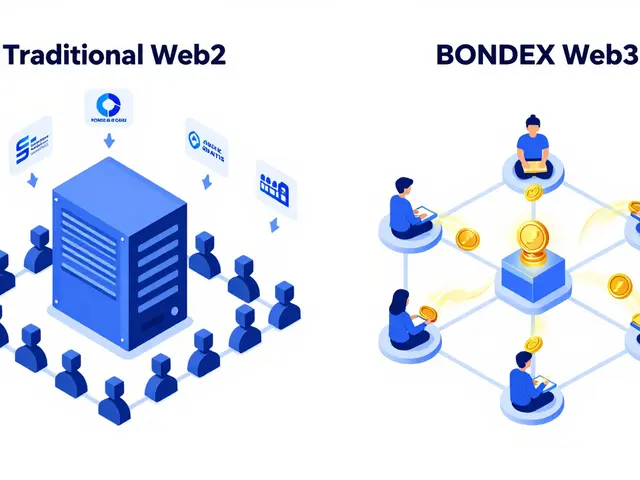
What is BONDEX (BDXN)? A Guide to the Web3 Professional Network
May, 9 2026

What is a Nonce in Blockchain? A Simple Guide to Mining and Security
Aug, 8 2026

Zero Tax on Long-Term Crypto Holdings in Germany: How the 1‑Year Rule Works
Mar, 10 2025

Project-X Crypto Exchange Review: Is It a Safe Bet for 2026?
Apr, 24 2026