
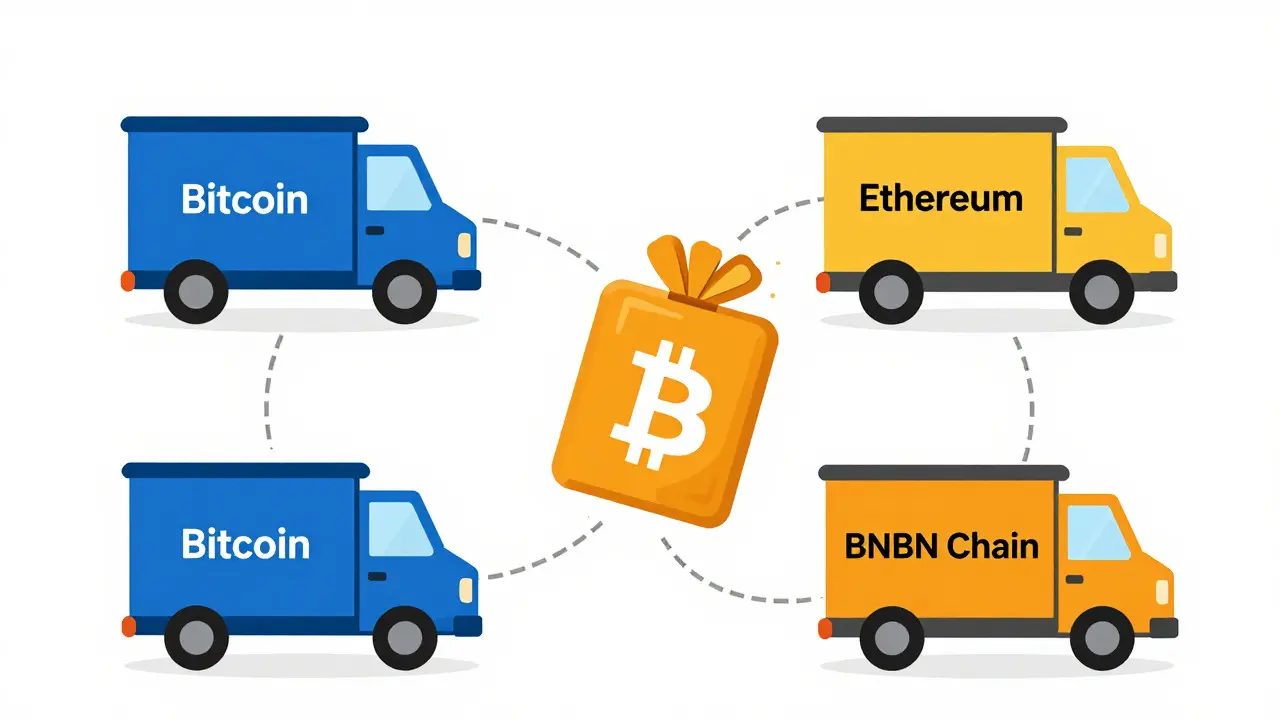
Imagine trying to track a package that doesn't just move from one delivery truck to another, but instantly teleports between different postal systems, changing its label and tracking number at every stop. That is essentially what happens when cryptocurrency moves across different blockchains. For years, tracking Bitcoin or Ethereum was straightforward because they lived on their own ledgers. But today, the crypto world is a multi-chain ecosystem. Assets jump between networks using bridges, wrapped tokens, and atomic swaps. If you are running a compliant business in 2026, relying on single-chain monitoring tools is like watching only half of a chess game-you miss the moves that actually win it.
Cross-chain crypto transaction monitoring is no longer a nice-to-have feature; it is a regulatory necessity. With over $8.6 billion in cryptocurrency laundered in 2021 alone, regulators have tightened the net. The Financial Action Task Force (FATF), the EU's Anti-Money Laundering Authority (AMLA), and the US Financial Crimes Enforcement Network (FinCEN) all demand rigorous oversight. If your platform cannot see where funds go after they leave your chain, you are blind to potential fraud, money laundering, and sanctions violations. This guide breaks down how cross-chain monitoring works, why it matters for your compliance strategy, and how to implement it effectively without getting bogged down in technical debt.
The Complexity of Multi-Chain Tracking
To understand why cross-chain monitoring is hard, you first need to understand the environment. In 2026, the blockchain landscape is fragmented. You have Bitcoin, Ethereum, Binance Smart Chain (BNB Chain), Litecoin, XRP, and dozens of Layer-2 solutions. Each has its own consensus mechanism, block times, and transaction formats. When a user sends Bitcoin to an exchange, it stays on the Bitcoin network. But if they want to use that Bitcoin in a decentralized finance (DeFi) protocol on Ethereum, they usually wrap it into WBTC (Wrapped Bitcoin).
This wrapping process creates a 'twin' asset. The original BTC is locked in a vault, and a new ERC-20 token representing that value is minted on Ethereum. To a traditional monitoring tool that only watches Bitcoin, the BTC looks safe and stationary. To a tool that only watches Ethereum, the WBTC appears out of nowhere. Cross-chain monitoring connects these dots. It tracks the input on one chain and the corresponding output on another, identifying the bridge or protocol used to facilitate the swap. Without this link, investigators hit a dead end the moment assets cross a chain boundary.
What is a cross-chain transaction?
A cross-chain transaction occurs when digital assets move from one blockchain network to another. This often involves bridging protocols, wrapped tokens (like WBTC), or atomic swaps, allowing users to utilize assets across different ecosystems without selling them for fiat currency.
How Cross-Chain Analytics Work Under the Hood
The technology behind effective cross-chain monitoring relies on sophisticated data aggregation and real-time analysis. Systems must connect to multiple blockchain nodes simultaneously-Bitcoin, Ethereum, BNB Chain, etc.-to capture every new block as it is created. This isn't just about storing data; it's about processing it instantly. As soon as a block is mined, the system extracts key details: amounts, timestamps, wallet addresses, and smart contract interactions.
Here is where the magic happens. Each address involved in a transaction is cross-referenced against massive databases of known entities. These databases include exchanges, mixers, gambling sites, darknet markets, and sanctioned wallets. Advanced platforms use graph-based clustering to determine if seemingly unrelated addresses belong to the same entity. For example, if Wallet A sends funds to Mixer X, and Wallet B receives funds from Mixer X shortly after, the system flags a potential connection. When this happens across chains, the complexity explodes. The system must recognize that the BTC leaving Wallet A corresponds to the ETH entering Wallet B via a specific bridge protocol.
Artificial intelligence plays a crucial role here. AI models classify addresses based on behavior patterns rather than just static labels. Is this wallet acting like a high-frequency trader? Does it interact with known mixing services? The system generates a risk score for each entity. This allows compliance teams to prioritize investigations. Instead of reviewing thousands of low-risk transactions, they focus on the few that show suspicious cross-chain movement behaviors, such as rapid swapping through privacy coins or complex routing through multiple DeFi protocols to obscure the origin of funds.
Regulatory Pressure: Why Compliance Can't Wait
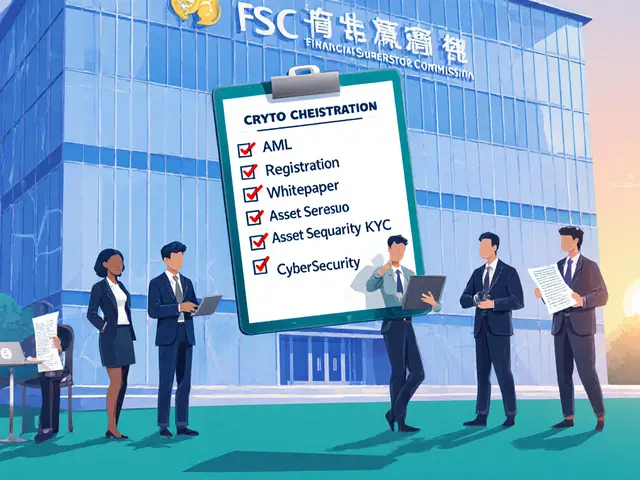
The push for better monitoring isn't coming from tech enthusiasts; it's coming from regulators. The FATF's Travel Rule requires Virtual Asset Service Providers (VASPs) to share sender and receiver information for transfers above a certain threshold. While originally focused on same-chain transfers, the spirit of the regulation extends to cross-border and cross-chain activities. If a user moves funds from a regulated exchange in London to a decentralized wallet in Singapore via a cross-chain bridge, that transfer needs scrutiny.
In the European Union, the Markets in Crypto-Assets (MiCA) regulation and the enforcement by AMLA have set strict standards for transparency. Non-compliance can result in hefty fines, loss of license, or even criminal charges for executives. Similarly, FinCEN in the US has increased enforcement actions against exchanges that fail to report suspicious activities involving stablecoins and cross-chain swaps. The message is clear: if you offer crypto services, you are responsible for knowing where the money comes from and where it goes, regardless of which blockchain it touches.
This regulatory pressure has turned compliance into a competitive advantage. Institutional investors are wary of platforms with weak AML controls. They don't want their capital associated with laundered money. By implementing robust cross-chain monitoring, businesses signal to partners and investors that they are secure, transparent, and ready for mainstream adoption. It unlocks partnerships with banks, payment processors, and traditional financial institutions that were previously hesitant to engage with crypto.
| Feature | Single-Chain Monitoring | Cross-Chain Monitoring |
|---|---|---|
| Visibility | Limited to one blockchain (e.g., only Bitcoin) | Tracks assets across multiple networks (BTC, ETH, BSC, etc.) |
| Bridge Detection | Misses exits via bridges/wrappers | Identifies wrapped tokens and bridge protocols |
| Risk Assessment | Based on local chain history | Comprehensive view including cross-chain mixing and swapping |
| Regulatory Fit | Insufficient for modern AML laws | Aligns with FATF, MiCA, and FinCEN requirements |
| Investigation Speed | Fast for simple transactions | Complex but essential for sophisticated laundering schemes |
Leading Tools and Platforms in 2026
Not all monitoring solutions are created equal. Some offer basic address screening, while others provide deep forensic capabilities. One platform that has gained significant traction among compliance teams is Scorechain, which is a comprehensive blockchain analytics and compliance platform trusted by over 350 teams worldwide. Scorechain stands out because it integrates real-time risk monitoring, wallet screening, and AML compliance into a single interface. It covers major chains including Bitcoin, Ethereum, BNB Chain, Litecoin, XRP, and various stablecoins.
A key feature of Scorechain is its ability to handle the "Cut The Cord" project initiatives, specifically targeting the identification of cross-chain transactions. It can flag transactions involving protocols like WBTC creation, showing exactly how BTC converts to ETH. This includes displaying twin transactions across different blockchains, allowing investigators to follow the money seamlessly. The platform uses configurable thresholds to flag anomalies. For instance, if a wallet suddenly starts interacting with high-risk cross-chain bridges, the system alerts the compliance team immediately.
Other players in the space include Chainalysis and Elliptic, which also offer robust cross-chain features. However, the choice often depends on specific business needs. Do you need lightweight API integration for a startup exchange? Or do you require deep case management for a large institutional custodian? Scorechain’s user-friendly interface makes it accessible for smaller teams, while its depth satisfies enterprise requirements. When evaluating tools, look for those that update their detection algorithms continuously. New bridging protocols emerge weekly, and your monitoring tool must keep pace.
Implementation Challenges and Pitfalls
Implementing cross-chain monitoring is not plug-and-play. The pseudonymous nature of cryptocurrency means transactions are linked to wallet addresses, not names. Criminals exploit this by using privacy coins (like Monero), mixers (like Tornado Cash), and complex routing strategies. They might send Bitcoin to a mixer, convert it to Ethereum via a bridge, swap it for a stablecoin, and then withdraw to a cash-out service. Each step obscures the trail further.
One common pitfall is alert fatigue. If your system flags every small cross-chain swap as suspicious, your compliance team will burn out. You need to tune your risk models. Focus on high-value transactions, unusual timing, and interactions with known bad actors. Another challenge is data latency. Real-time monitoring is essential. If there is a delay of even an hour, funds could be moved off-chain or converted into untraceable assets. Ensure your provider maintains direct connections to blockchain nodes rather than relying on third-party APIs that may lag.
Also, consider the jurisdictional complexity. A transaction might start in the US, pass through a server in Europe, and end up in Asia. Your monitoring system should support Travel Rule screening and counterparty verification across borders. Make sure your legal team reviews your monitoring policies regularly. Regulations change fast, and what was compliant last year might be insufficient today.
Future Trends: AI and Privacy Tech
As we move deeper into 2026, two trends are shaping the future of cross-chain monitoring: artificial intelligence and privacy-preserving technologies. On one hand, criminals are using AI to automate their laundering operations, creating botnets that execute thousands of micro-transactions across chains to confuse trackers. On the other hand, legitimate users are demanding more privacy, leading to the rise of zero-knowledge proofs (ZKPs) and confidential transactions.
ZKPs allow users to prove they have sufficient funds or meet certain criteria without revealing the underlying data. This poses a challenge for monitors who rely on transparent ledgers. However, it also offers opportunities. Future monitoring systems will likely use AI to analyze metadata and behavioral patterns rather than just transaction contents. They will predict risks based on historical data and network topology. The goal is to maintain compliance without stifling innovation or user privacy.
We can also expect tighter integration between monitoring platforms and regulatory reporting systems. Imagine a world where suspicious activity reports (SARs) are generated automatically and submitted to FinCEN or AMLA with minimal human intervention. This reduces administrative burden and ensures faster response times. Companies that invest in these advanced capabilities now will be ahead of the curve when regulations inevitably tighten further.
Actionable Steps for Compliance Teams
If you are tasked with improving your organization's cross-chain monitoring, here is a practical checklist to get started:
- Audit Your Current Stack: Identify gaps in your current monitoring. Are you missing visibility on Layer-2 networks or newer chains like Solana or Avalanche?
- Define Risk Thresholds: Work with your legal team to set clear rules for what constitutes a suspicious cross-chain transaction. Consider factors like amount, frequency, and counterparties.
- Choose the Right Partner: Evaluate providers like Scorechain, Chainalysis, or Elliptic. Look for real-time capabilities, broad chain coverage, and strong customer support.
- Train Your Team: Compliance officers need to understand how cross-chain bridges work. Provide training on recognizing wrapped tokens, atomic swaps, and bridge exploits.
- Test and Refine: Run simulations of known laundering scenarios through your system. Adjust your filters to reduce false positives while catching true threats.
- Stay Updated: Subscribe to regulatory updates from FATF, AMLA, and FinCEN. Join industry groups to share best practices with peers.
Cross-chain crypto transaction monitoring is complex, but it is manageable. By leveraging the right technology and maintaining a proactive compliance culture, you can protect your business from fraud and regulatory penalties. Remember, in the multi-chain era, visibility is everything. Don't let your assets disappear into the shadows of the blockchain jungle.
Why is cross-chain monitoring harder than single-chain monitoring?
Cross-chain monitoring is harder because assets change form and location when moving between blockchains. Wrapped tokens, bridges, and atomic swaps create complex trails that break the linear flow of traditional transactions. Monitors must correlate data from multiple independent ledgers with different structures and speeds.
What is the role of AI in crypto transaction monitoring?
AI helps classify wallet addresses, detect anomalous behavior patterns, and generate risk scores. It can identify clusters of addresses belonging to the same entity and flag transactions that deviate from normal user behavior, such as sudden large transfers to high-risk mixers.
Which regulators mandate cross-chain monitoring?
Key regulators include the Financial Action Task Force (FATF), the EU's Anti-Money Laundering Authority (AMLA), and the US Financial Crimes Enforcement Network (FinCEN). All require Virtual Asset Service Providers (VASPs) to monitor transactions and report suspicious activities.
How does Scorechain help with cross-chain compliance?
Scorechain provides real-time monitoring across multiple blockchains, including Bitcoin, Ethereum, and BNB Chain. It identifies cross-chain transfers via wrapped tokens and bridges, offering detailed insights into twin transactions and risk scores to aid compliance teams.
What are wrapped tokens, and why do they matter for monitoring?
Wrapped tokens (like WBTC) represent assets from one blockchain on another. They matter for monitoring because they allow value to move across chains while appearing as native assets on the destination chain. Without tracking the wrapping/unwrapping process, monitors lose sight of the original asset's journey.
 Finance