

Blockchain Privacy: Why It Matters and How It’s Being Erased
Blockchain privacy, the ability to conduct transactions on a public ledger without revealing identities or amounts. Also known as financial anonymity, it’s what lets people send money without needing permission or exposing their history. This isn’t about hiding illegal activity—it’s about protecting your right to financial silence. Just like you don’t hand your bank statements to strangers, why should your crypto transactions be public for anyone to track?
But privacy coins, cryptocurrencies built specifically to obscure sender, receiver, and transaction amount like Monero, a decentralized digital currency using ring signatures and stealth addresses to hide transaction details and Zcash, a blockchain that allows users to choose between transparent and shielded transactions are being kicked off major exchanges. Why? Because of crypto regulation, global rules pushing exchanges to monitor and report all transactions to prevent money laundering. The FATF, a powerful financial watchdog, now demands that exchanges trace every coin’s path. That’s impossible with Monero. So they ban it.
It’s not just about compliance—it’s about control. When exchanges drop privacy coins, they’re not just following rules. They’re making a choice: transparency over autonomy. And that choice affects everyone. Even if you don’t use Monero, you’re still affected. Once privacy is gone from one coin, pressure builds to remove it from others. The same regulators pushing for Monero bans are now looking at mixers, anonymous wallets, and even decentralized exchanges that don’t collect KYC data.
What’s left? A few exchanges still list privacy coins, mostly offshore. Some users move to peer-to-peer platforms or self-hosted nodes. But the easier path—using Binance, Coinbase, or Kraken—means your transaction history is now part of a permanent, searchable record. No more hiding your salary payments, your medical bills, or your donations to controversial causes.
The posts below show you exactly what’s happening: exchanges like BiKing and Bitfinex dropping privacy coins without warning. Scams like fake airdrops pretending to offer "private rewards." And projects that promised anonymity but vanished overnight. You’ll see how regulation is reshaping the crypto landscape—not with grand speeches, but with quiet delistings and vanished trading pairs. This isn’t theoretical. It’s happening right now. And if you care about financial privacy, you need to know where the lines are being drawn.
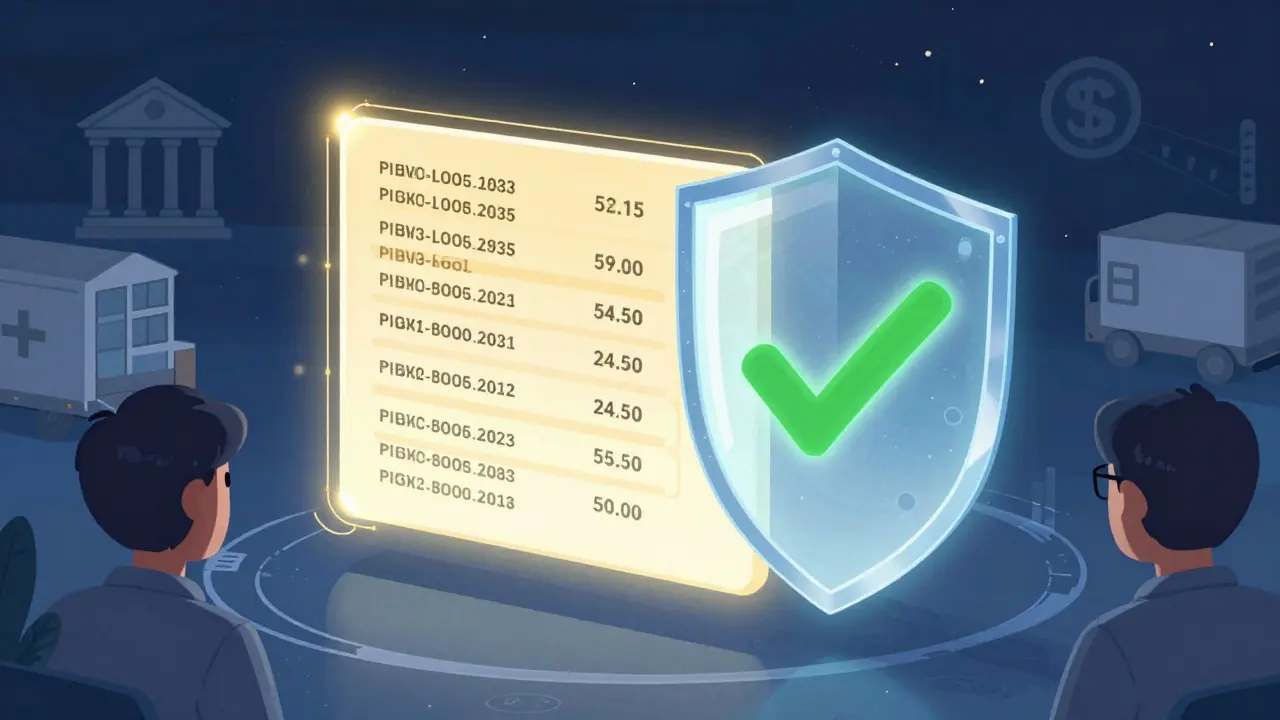
Blockchain offers transparency but clashes with privacy laws like GDPR. Discover how zero-knowledge proofs, off-chain storage, and privacy-by-design are solving this conflict in 2025 - without sacrificing trust or compliance.
Categories
 Finance
Archives
Recent-posts
Utility Token Regulation and Compliance: A Practical Guide for 2025
May, 15 2025
Is Crypto Regulated in Russia? What You Need to Know in 2026
Jan, 1 2026

What is Packet (PKT) Crypto Coin? A Complete Guide to Bandwidth Mining
Mar, 31 2026

Flamingo Finance Crypto Exchange Review: Is This DeFi Platform Worth Your Wallet?
Nov, 26 2025
What is KILL BIG BEAUTIFUL BILL (KBBB) crypto coin? The truth behind the meme token
Feb, 7 2026