
Imagine running a profitable Bitcoin farm only to have the government shut off your power for four months because your neighbors are complaining about brownouts. That isn't a hypothetical scenario; it’s reality for many miners in Iran is a country where cryptocurrency mining is technically legal but operates under a regulatory regime that shifts like sand dunes in a storm. If you are considering entering this market or trying to understand why your transactions are failing, you need to grasp the intricate dance between subsidized electricity, state control, and sudden policy reversals.
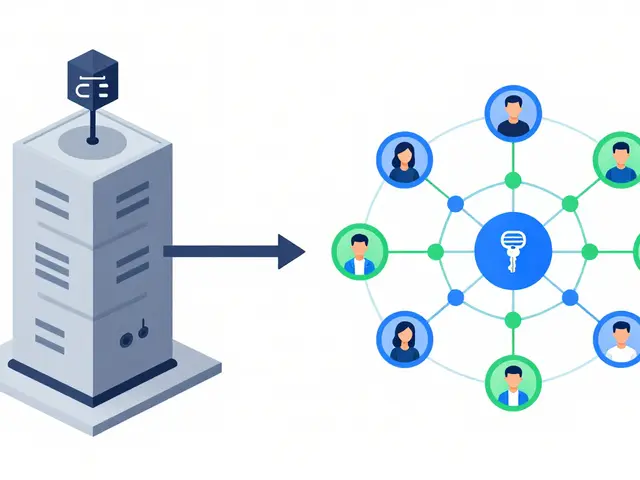
The core issue here isn't just legality-it's stability. While the official stance permits mining, the practical environment is fraught with risk. The Central Bank of Iran (CBI) now holds sole authority over all crypto activities, a move formalized in January 2025 by President Masoud Pezeshkian. This directive means every miner, from solo operators to massive industrial farms, must obtain a license and conduct transparent rial transactions through designated accounts. It sounds structured, but the history behind it reveals a pattern of reactive bans rather than long-term planning.
The Evolution of Legal Status: From Gray Zone to Strict Control
To understand where we stand today, you have to look back at how messy things used to be. In 2018, the Iranian government effectively recognized mining as a legal industry, not out of ideological support for decentralization, but to monitor operations that had already proliferated despite ambiguous laws. At that time, the hope was that regulation would bring order to a chaotic underground sector.
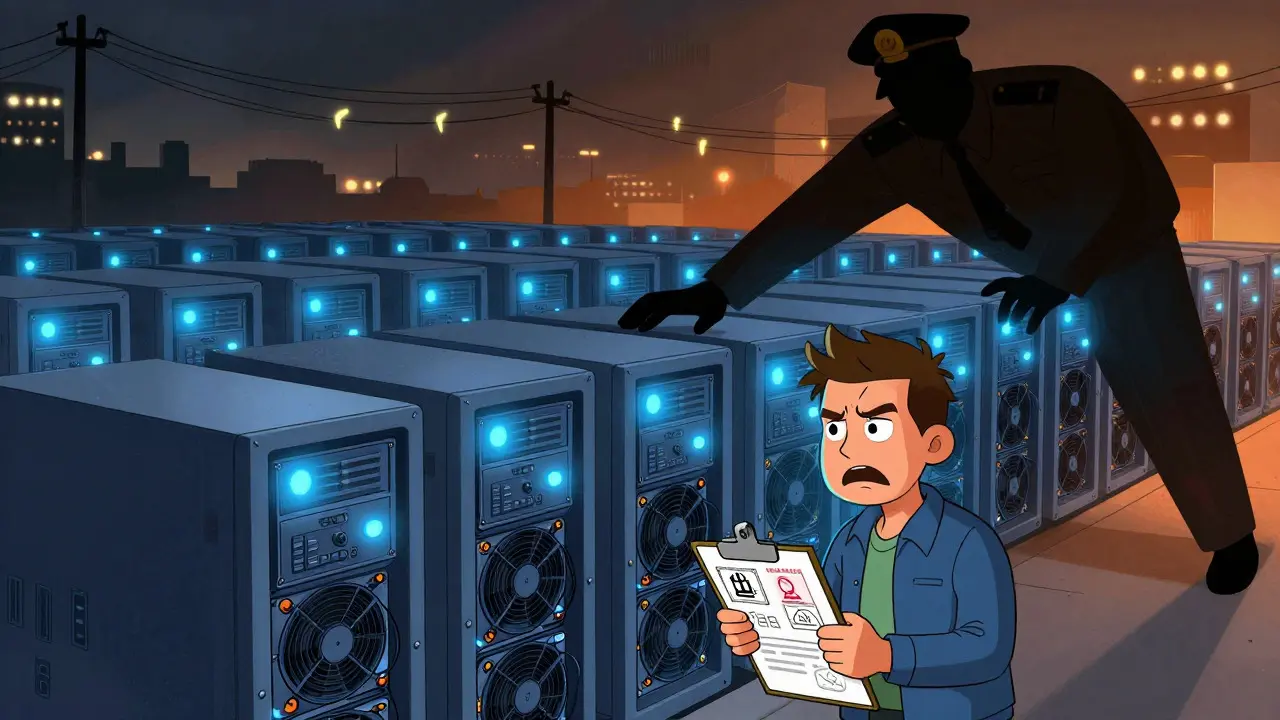
However, the situation deteriorated significantly by summer 2024. Nationwide blackouts forced the government to implement a four-month ban on mining operations. Authorities blamed unauthorized miners for straining the grid, with Tavanir, the state-owned power provider, estimating that illegal miners were stealing approximately 2,000 megawatts of national electricity supply. This crisis led to the current licensing regime, designed specifically to limit energy consumption and ensure compliance. Today, mining is permitted, but only if you play by the rules set by the Ministry of Industry, Mine and Trade, and the CBI.
Navigating the Licensing Process and Technical Requirements
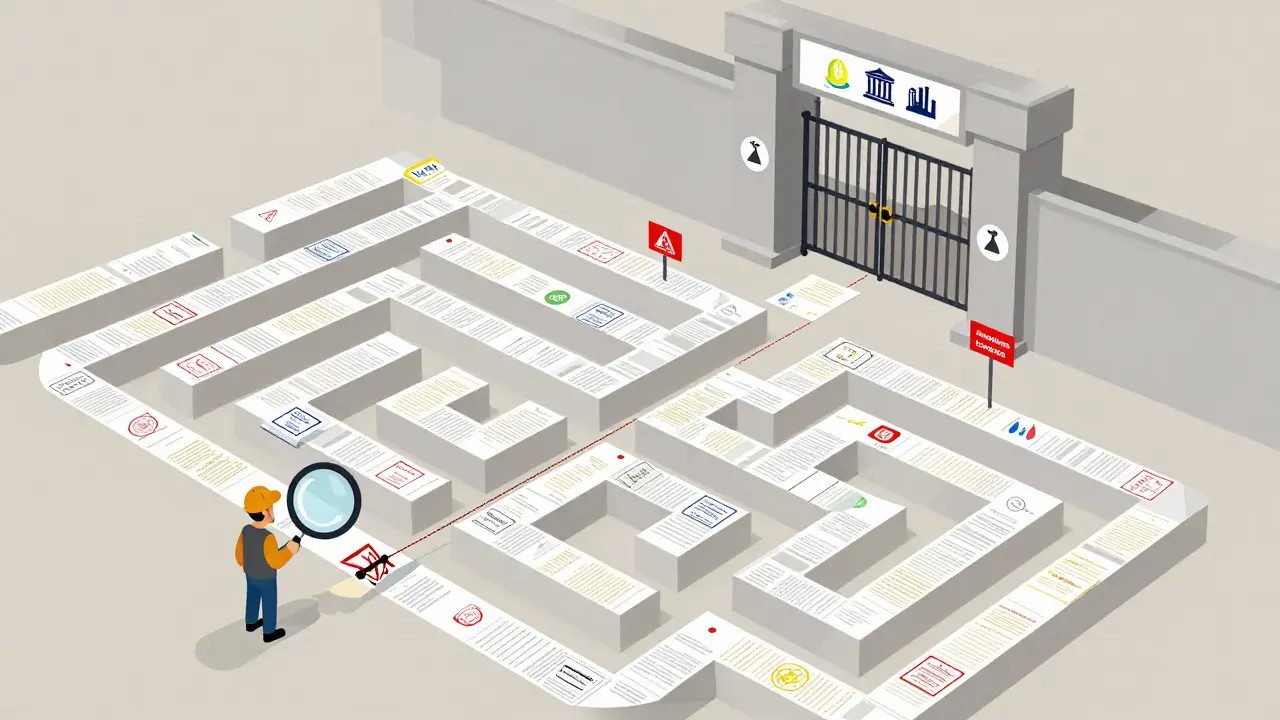
Getting licensed is no simple paperwork exercise. You need to secure approval from multiple government entities, which creates a steep learning curve for new entrants. The process requires proof of hardware compliance, detailed energy consumption projections, and financial transparency reports. Experienced operators report that maintaining compliance involves daily monitoring of communications from at least three different bodies: the Ministry of Industry, the Central Bank, and Tavanir.
Here is where it gets tricky for your wallet. While Iran boasts some of the lowest electricity rates globally-around $0.004 per kWh for general industrial users-miners face a different reality. The CBI has imposed specific electricity tariffs for mining operations that are actually the highest among Iran's power-intensive industries. This contradiction exists to discourage excessive consumption. Furthermore, you can only use government-approved hardware. If you bring in your own high-efficiency ASICs without prior clearance, you risk having them seized or facing heavy fines.
| Feature | Iran (2025-2026) | Kazakhstan (Reference Point) |
|---|---|---|
| Legal Status | Legal with strict licensing | Legal with stable regulations |
| Electricity Cost | High tariff for miners (despite low base rate) | Competitive industrial rates |
| Regulatory Stability | Low (frequent bans/reversals) | High (consistent framework) |
| State Involvement | High (IRGC-linked farms dominate) | Moderate (government encourages private sector) |
| Primary Risk | Sudden power cuts and policy whiplash | Currency volatility |
The Energy Dilemma and State Competition
You might wonder why anyone would mine in Iran given these hurdles. The answer lies in the sheer volume of available power and the potential for scale, provided you can navigate the political landscape. Iran’s grid has significant capacity, especially during off-peak hours, and foreign investors are explicitly invited to participate through the licensing framework. However, you aren't competing against other private miners alone; you're competing against the state itself.
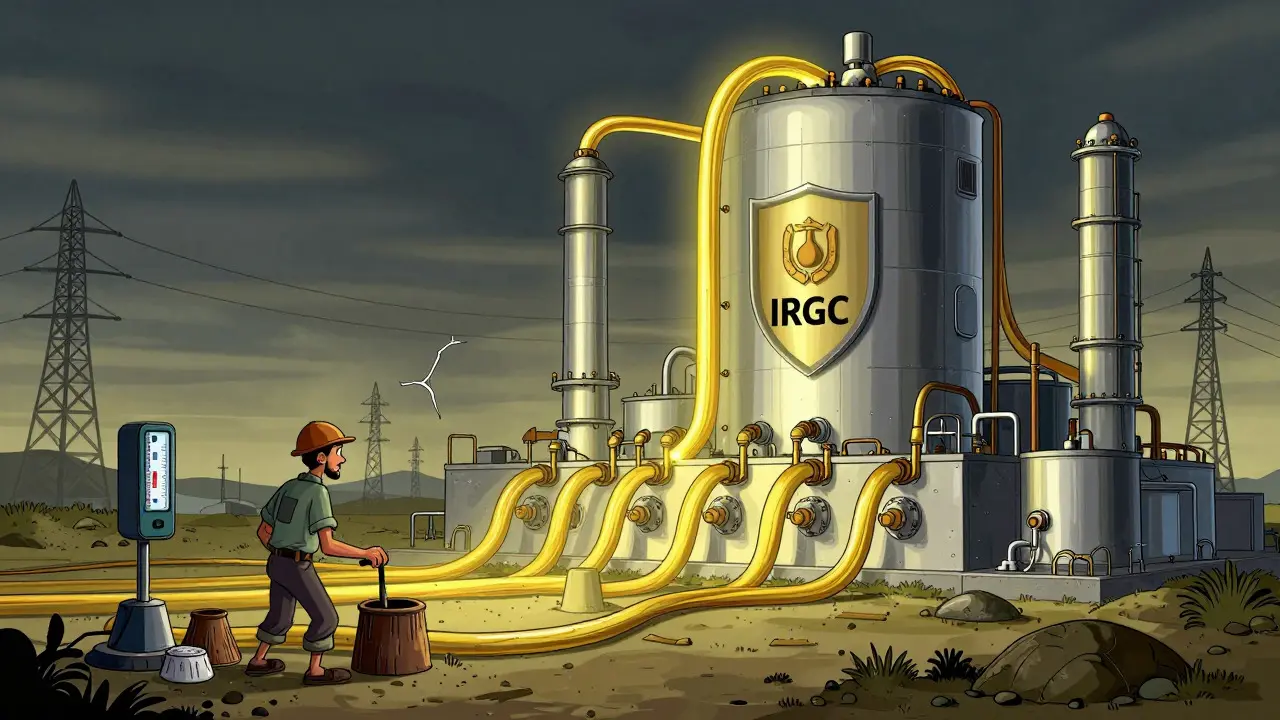
Since 2019, entities linked to the Islamic Revolutionary Guard Corps (IRGC) and the Supreme Leader have established massive mining operations. A documented example is a 175-megawatt Bitcoin farm in Rafsanjan, Kerman province, operating as a joint venture with Chinese investors. These state-affiliated facilities often operate with impunity, frequently ignoring electricity bills while drawing subsidized power. According to investigations by NCR-Iran, these state-connected entities control approximately 65% of Iran's total mining capacity. For a private investor, this creates a dual-market reality: you face strict regulations and high tariffs, while politically connected competitors enjoy protection and lower costs.
Practical Challenges and User Experiences
Beyond the macro-level politics, the day-to-day experience for miners and users has been marked by frustration. The December 2024 power crisis wasn't just about lights going out; it triggered a regulatory crackdown that rippled through the entire crypto ecosystem. On December 27, 2024, the Central Bank issued a directive that effectively blocked all Iranian cryptocurrency to rial payments through internet websites. Users reported transaction failures across major domestic exchanges, leading to a period of severe uncertainty.
This instability directly impacts profitability. If you can't reliably convert your mined coins into fiat currency, your operational costs eat away at your margins. Trustpilot reviews of Iranian crypto services show a 42% decline in average ratings from 4.1 to 2.4 stars between December 2024 and February 2025, reflecting widespread dissatisfaction. Additionally, a global ban on cryptocurrency advertising implemented in February 2025 has made it harder for exchanges to acquire new users, driving up acquisition costs by 300% according to the Iranian Cryptocurrency Union.
Risks for Foreign Investors and Long-Term Outlook
If you are an international investor eyeing Iran's low-energy-cost narrative, tread carefully. The primary advantage remains the electricity infrastructure, but the disadvantages are substantial. The government has demonstrated a willingness to implement sudden bans during energy crises, as seen in summer 2024. There is also the pervasive issue of state-affiliated illegal mining undermining the level playing field. Legal compliance officers need specialized training in both blockchain analytics and Iranian financial regulations to navigate this environment effectively.
Looking ahead, the trajectory points toward increased state control. The Central Bank is pushing its digital currency, the "Rial Currency," which cannot be mined and has its supply regulated entirely by the bank. Analysts at AGSI maintain that cryptocurrency is unlikely to offer the Iranian regime an immediate avenue for evading US sanctions, contradicting earlier hopes from 2018. With TRM Labs documenting an 11% decline in cryptocurrency inflows during the first half of 2025, the market is contracting. Unless the energy grid stabilizes and regulatory clarity improves, the risk of further restrictions on private mining in favor of state-controlled operations remains high.
Frequently Asked Questions
Is cryptocurrency mining currently legal in Iran?
Yes, mining is legally permitted as of 2025, but it requires a license from the Central Bank of Iran and the Ministry of Industry, Mine and Trade. Operations must adhere to strict energy limits and use approved hardware.
How much does electricity cost for miners in Iran?
While general industrial rates are very low (approx. $0.004/kWh), miners pay specific tariffs that are the highest among power-intensive industries in the country to curb excessive consumption.
Who regulates the crypto market in Iran?
The Central Bank of Iran (CBI) is the sole regulatory authority, following a directive in January 2025 that centralized oversight of all cryptocurrency participants and transactions.
What happened during the summer 2024 power crisis?
Nationwide blackouts led to a four-month ban on mining operations. Authorities blamed unauthorized miners for straining the grid, prompting the introduction of stricter licensing requirements.
Can foreign investors mine in Iran?
Yes, the government invites international participation through the licensing framework. However, foreign investors face risks related to regulatory instability, state competition, and potential sanctions complications.
 Finance

![What is [Fake] Test (TST) Coin? Warning and Analysis](/uploads/2026/04/thumbnail-what-is-fake-test-tst-coin-warning-and-analysis.webp)