
Most cryptocurrency exchanges are trying to be everything to everyone. They want you to trade Bitcoin, Ethereum, Solana, and hundreds of other tokens all in one place. Namebase is the exact opposite. It does not care about your diversified portfolio of altcoins. Namebase exists for one specific purpose: it is the primary on-ramp and management hub for the Handshake (HNS) decentralized naming protocol. If you are looking for a general-purpose exchange to day-trade volatile assets, you will likely find Namebase frustratingly limited. But if you are serious about decentralized web infrastructure, digital identity, or owning your own top-level domain (TLD), Namebase is currently the most critical tool in your arsenal.
This review breaks down exactly what Namebase is, how its unique fee structure works, and whether it deserves a spot in your crypto toolkit in 2026. We will look at the pros, the cons, and the specific use cases where this platform shines compared to giants like Coinbase or Binance.
What Is Namebase?
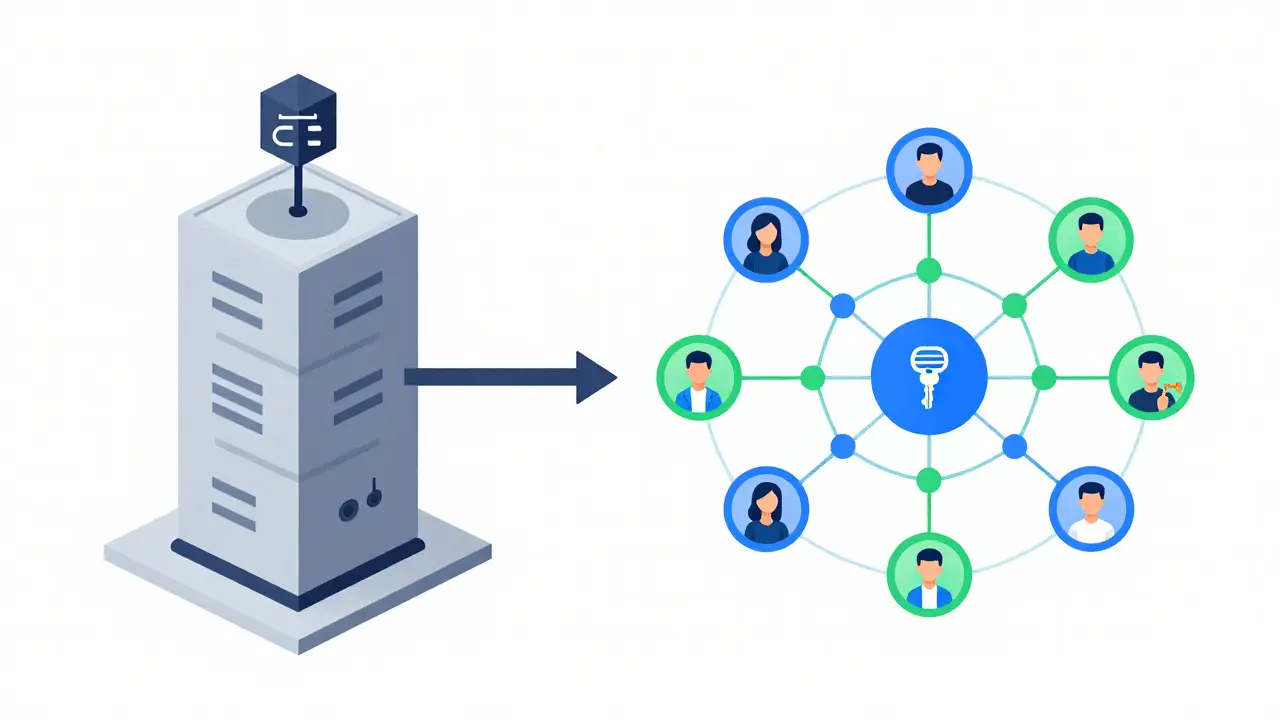
To understand Namebase, you first need to understand what problem it solves. The traditional internet relies on the Domain Name System (DNS), which is controlled by centralized authorities like ICANN. This system has vulnerabilities: domains can be seized, censored, or hacked. Handshake is a decentralized, permissionless naming protocol that allows users to create their own top-level domains (like .myname) rather than renting second-level domains (like myname.com).
Namebase was founded in 2018 to make this complex technology accessible. Instead of requiring you to run a full node or write code to interact with the Handshake blockchain, Namebase provides a user-friendly interface. Think of it as the bridge between the fiat world and the decentralized naming ecosystem. While its headquarters are registered in London, England, the team operates globally, serving individuals, small businesses, and enterprises who want to establish a presence in the decentralized web (dWeb).
Unlike typical exchanges that list dozens of coins, Namebase supports only two cryptocurrencies: Handshake (HNS) and Bitcoin (BTC). This narrow focus is intentional. It reduces complexity and ensures liquidity specifically for the Handshake ecosystem. You cannot buy Ethereum here. You cannot trade Dogecoin here. You come here to get HNS, bid on domains, and manage your decentralized identity.
How to Get Started: Onboarding Without KYC
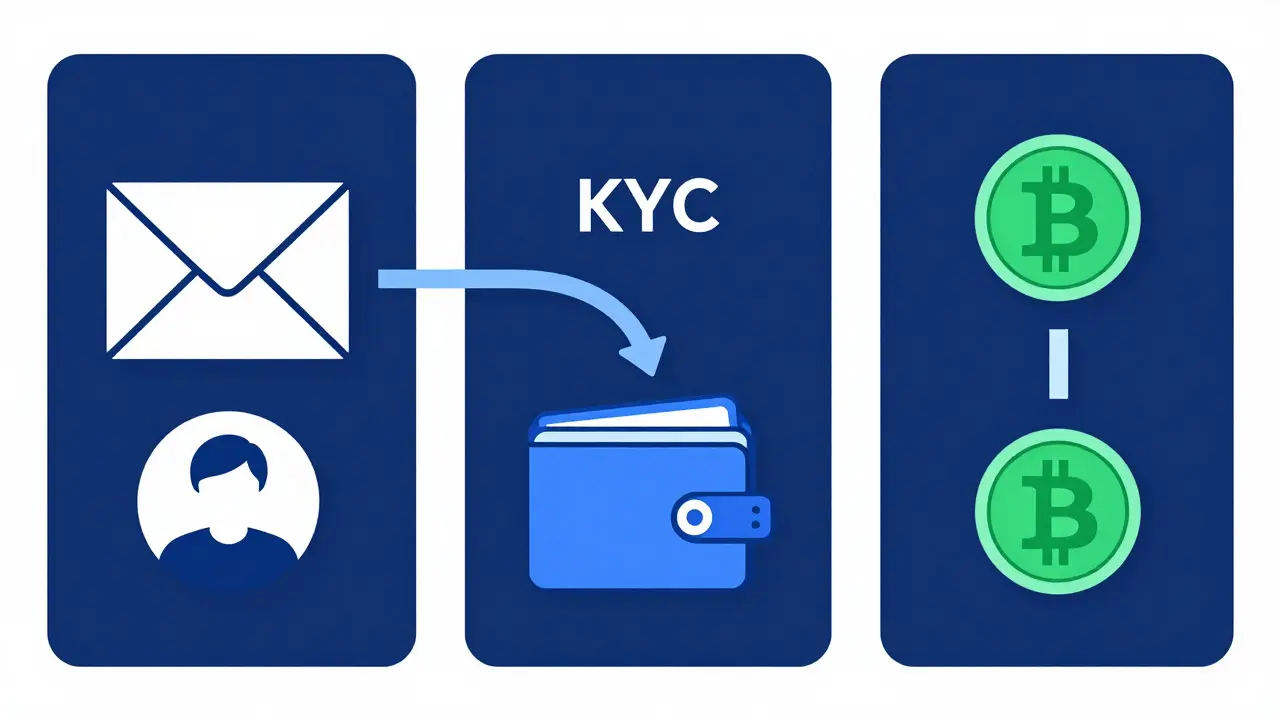
One of the most striking features of Namebase is its approach to privacy. Most regulated exchanges require rigorous Know Your Customer (KYC) verification. You have to upload your passport, take a selfie, and wait days for approval. Namebase operates without these requirements for basic usage. This means you can create an account and start using the platform in minutes, not days.
- Create an Account: Sign up with your email address. No government ID is required initially.
- Fund Your Wallet: Deposit funds via ACH transfer from a US bank account or send Bitcoin (BTC) from another wallet.
- Buy HNS: Use your BTC or USD balance to purchase Handshake coins directly through the platform’s exchange interface.
The lack of KYC is a double-edged sword. On one hand, it offers greater privacy and faster onboarding. On the other hand, it limits your fiat options. Currently, Namebase only accepts USD deposits via ACH transfers. There are no credit card or debit card payment options. If you are outside the United States or prefer instant card payments, you will need to rely on Bitcoin transfers, which introduces volatility risk during the conversion process.
Fees and Costs: What Will It Cost You?
Transparency in fees is crucial when evaluating any exchange. Namebase has a straightforward but specific fee structure that reflects its role as a specialized gateway rather than a high-frequency trading venue.
| Service | Fee Type | Cost |
|---|---|---|
| Purchasing HNS with BTC | Exchange Fee | 5% |
| Blockchain Interaction | Transaction Fee | ~1 HNS (covers operational costs) |
| Selling a Domain | Marketplace Commission | 10% (charged to seller only) |
| TLD Registry Service | Annual Fee | $1 per registration year for SLDs |
The 5% exchange fee for buying HNS with BTC might seem high compared to major exchanges that charge less than 0.1%. However, this fee provides essential liquidity for the Handshake market. Since HNS is a niche asset, maintaining a stable order book requires incentives. Additionally, the ~1 HNS transaction fee is minimal and goes toward covering the operational costs of interacting with the Handshake blockchain, while actual mining fees are paid directly to miners.
If you are selling a domain, Namebase takes a 10% commission. This is competitive within the Web3 domain space. For example, some NFT marketplaces charge higher percentages. The $1 annual registry fee for second-level domains is negligible, especially when you consider that you are paying for a decentralized service that you truly own, unlike traditional domains where renewal prices can skyrocket.
Trading and Domain Management Features
Namebase is not designed for technical analysis or charting. You won’t find candlestick charts, moving averages, or margin trading leverage. The interface is built for utility. Its core strength lies in the integrated marketplace for Handshake domains.
- Bid on Auctions: New top-level domains go up for auction regularly. Namebase simplifies this process into three steps: buy HNS, bid, and win. If you win, you become the owner of that TLD.
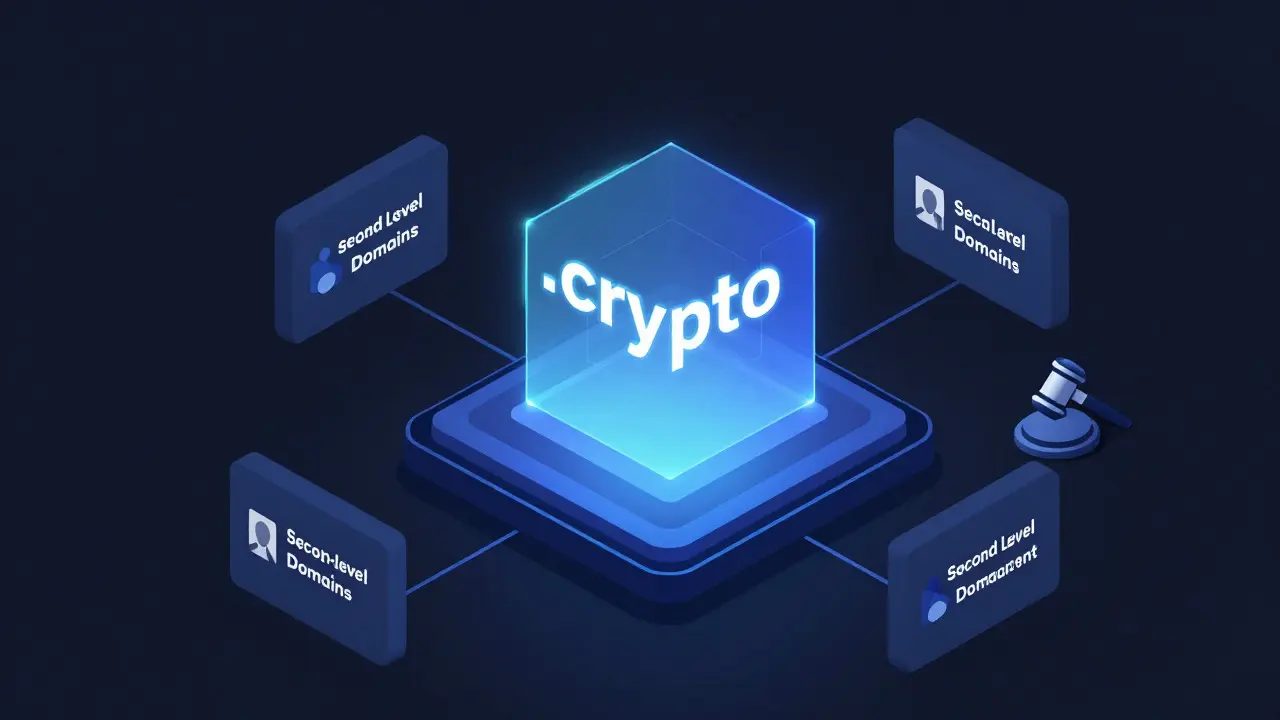
- Manage Second-Level Domains: Once you own a TLD (e.g., .crypto), you can issue second-level domains (e.g., name.crypto) to others or keep them for yourself. Namebase handles the resolution and management seamlessly.
- HNS.ID Integration: Namebase offers HNS.ID, a service that enables decentralized second-level domains on your Handshake TLD using the Optimism Layer 2 Ethereum network. This bridges the gap between Handshake’s speed and Ethereum’s security, charging a small 5% fee on registration.
This integration is powerful. It allows developers and businesses to create fully decentralized websites, email addresses, and social media identities that are resistant to censorship. For instance, a journalist could register a secure email address on their own TLD, ensuring that no central authority can shut it down.
Namebase vs. Traditional Exchanges: Who Is It For?
It is vital to set realistic expectations. Namebase is not a replacement for Coinbase, Kraken, or Binance. It is a complementary tool for a specific subset of crypto users. Let’s compare them based on key criteria.
| Feature | Namebase | Coinbase / Binance |
|---|---|---|
| Cryptocurrency Selection | Very Limited (HNS, BTC) | Extensive (100+ coins) |
| KYC Requirement | No (for basic use) | Yes (Strict) |
| Fiat On-Ramps | USD via ACH only | Credit Card, Bank Transfer, Wire |
| Primary Use Case | Decentralized Domains & Identity | General Trading & Investment |
| Advanced Trading Tools | None | Margin, Futures, Options |
If you are a beginner looking to buy Bitcoin and hold it, Namebase is overkill and inconvenient due to the lack of card payments. However, if you are a developer building a dApp, a privacy advocate seeking censorship-resistant communication, or an investor interested in the future of Web3 infrastructure, Namebase is indispensable. It is the only platform that combines easy HNS purchasing with robust domain management tools.
Security and Reliability
Security is paramount in crypto. Namebase registers as a Money Services Business (MSB) with FinCEN, which adds a layer of regulatory legitimacy. The platform uses a cloud wallet system for storing HNS and BTC. While specific encryption details are not publicly documented, the platform has maintained a strong track record since 2018 with no major reported breaches.
However, remember that "not your keys, not your coins." When you store assets on Namebase, you are trusting their custodial services. For long-term storage of valuable HNS or rare domains, many advanced users eventually move their assets to self-custody wallets like Sparrow Wallet or specialized hardware solutions. Namebase is excellent for active management and trading, but consider diversifying your storage strategy for maximum security.
Final Verdict: Is Namebase Worth It?
Namebase is a specialized tool for a specialized job. It is not trying to be the next Robinhood. It is trying to decentralize the $100 billion DNS industry. If you believe in the future of the decentralized web, where users own their identities and data rather than renting them from tech giants, then Namebase is essential.
The platform excels in simplicity, offering a frictionless way to enter the Handshake ecosystem. The lack of KYC and the integrated marketplace make it the best-in-class solution for buying, bidding on, and managing Handshake domains. The limitations-such as slow ACH processing times and limited coin support-are acceptable trade-offs given its niche focus.
For the average crypto trader, Namebase may remain irrelevant. But for Web3 builders, domain investors, and privacy enthusiasts, it is currently the most reliable and user-friendly gateway to the Handshake protocol. As decentralized identity gains traction, Namebase’s position as the primary on-ramp could become even more valuable.
Is Namebase safe to use?
Yes, Namebase is considered safe. It is registered as a Money Services Business with FinCEN and has operated securely since 2018. However, like any exchange, it is recommended to use strong passwords and enable two-factor authentication. For large holdings, consider moving assets to a self-custody wallet.
Can I buy Handshake (HNS) with a credit card on Namebase?
No, Namebase does not currently support credit or debit card deposits. You can deposit USD via ACH bank transfer or send Bitcoin (BTC) from another wallet to buy HNS.
Does Namebase require KYC verification?
No, Namebase does not require Know Your Customer (KYC) verification for basic account creation and usage. This allows for faster onboarding and greater privacy compared to traditional exchanges.
What is the difference between Namebase and a regular crypto exchange?
Regular exchanges like Coinbase offer hundreds of cryptocurrencies and advanced trading tools. Namebase is specialized exclusively for the Handshake ecosystem, focusing on buying HNS and managing decentralized domains. It lacks broad coin selection and advanced trading features but excels in domain utility.
How much does it cost to buy HNS on Namebase?
There is a 5% exchange fee when purchasing HNS with Bitcoin. Additionally, there is a small transactional fee of approximately 1 HNS to cover blockchain operational costs. These fees help maintain liquidity and network stability.
Can I sell my Handshake domains on Namebase?
Yes, Namebase has an integrated marketplace where you can list and sell your Handshake domains. The platform charges a 10% commission fee on successful sales, which is deducted from the seller's proceeds.
 Finance