

Have you ever wondered why some crypto projects feel like they have a real community while others just feel like empty hype? It often comes down to how they distribute value. The Lunar (LNR) Giveaway airdrop was a prime example of this strategy in action. Back in early 2022, the team behind Lunar launched a specific campaign on CoinMarketCap that offered exactly 140 unique NFTs. If you were part of the crowd trying to grab one of those digital collectibles, or if you are looking back at how these campaigns worked to understand current trends, this breakdown is for you.
This wasn't your typical "hold tokens and wait" scenario. The Lunar team wanted active participants. They needed people who would actually talk about the project, share it with friends, and stick around in their chat rooms. The result was a tightly controlled distribution of Non-Fungible Tokens on the BNB Chain. Let's look at exactly how this campaign functioned, what you needed to do to win, and why the limited supply mattered so much.
The Core Mechanics of the Lunar Giveaway
At its heart, the Lunar giveaway was a scarcity play. Most airdrops dump thousands or millions of tokens into the wild, which can dilute value and interest. Lunar took the opposite approach. They set a hard cap of 140 NFTs. That’s it. One hundred and forty winners. This created immediate urgency. When you know there are only 140 spots available, you’re more likely to check the rules twice and submit your application correctly.
The platform hosting this event was CoinMarketCap, which added a layer of trust. Many smaller projects run their own sites, but using a major aggregator like CMC meant users knew the contest was legit. However, it’s crucial to remember that CoinMarketCap didn’t pick the winners. The Lunar team retained full control over selection and distribution. This distinction matters because it means the criteria for winning were based entirely on Lunar’s internal metrics, not just random chance managed by CMC.
| Feature | Detail |
|---|---|
| Total Rewards | 140 NFTs |
| Distribution Model | One-to-One (1 winner = 1 NFT) |
| Blockchain Network | BNB Chain (formerly Binance Smart Chain) |
| Hosting Platform | CoinMarketCap |
| Winner Selection | Managed by Lunar Team |
Step-by-Step Participation Guide
If you had been alive during the height of this campaign, here is exactly what you would have needed to do. The process was designed to filter out bots and passive observers. You couldn’t just click a button; you had to engage.
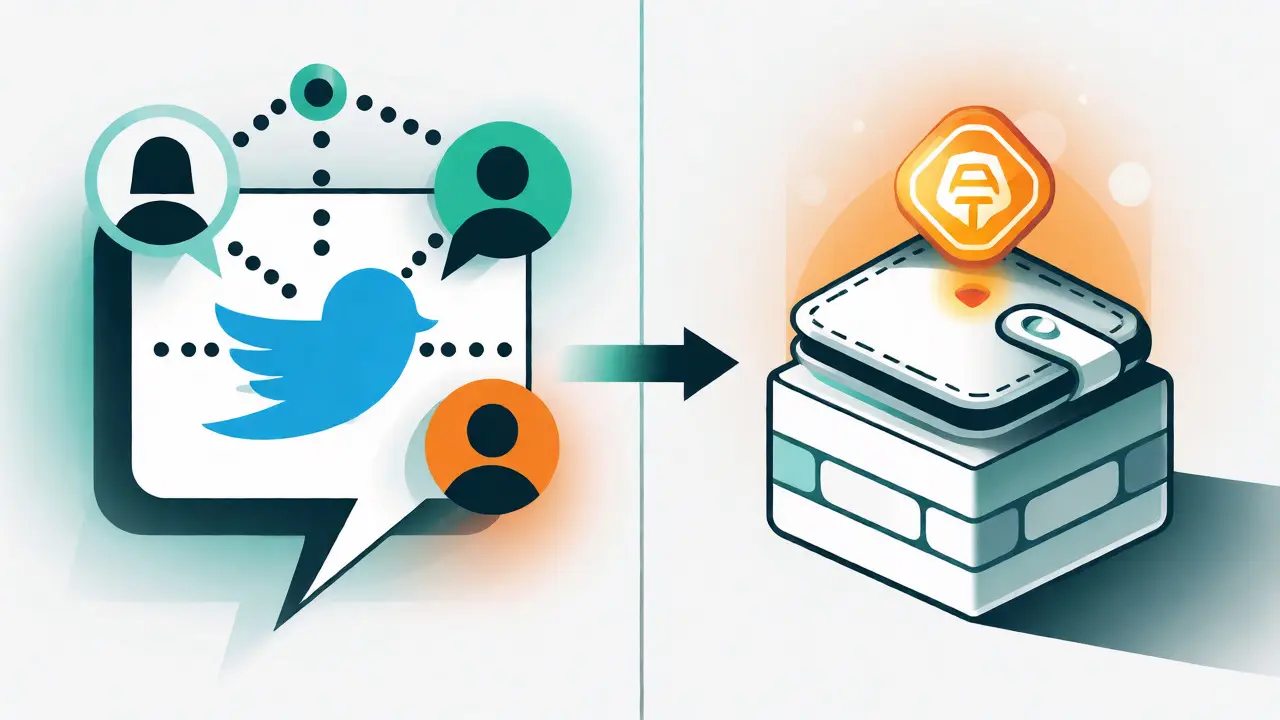
- Retweet and Tag: First, you had to find the official Lunar Airdrop tweet. The specific URL was linked to their Twitter handle
@lnrdefi. Retweeting alone wasn’t enough. You also had to tag three friends. This viral loop helped spread awareness beyond their existing follower base. - Join the Community: Next up was Telegram. You needed to join the official Lunar Telegram group at
t.me/lnrdefi. This step ensured that once you won, you wouldn’t miss announcements about when your NFT was dropping into your wallet. - Submit Your Wallet: Finally, you filled out the form on the CoinMarketCap currency page for Lunar. Here, you provided your BNB Chain wallet address. This is where many people made mistakes-sending funds to the wrong network or pasting an Ethereum address instead of a BSC one.
The requirement for a BNB Chain address highlights where Lunar positioned itself. In 2022, the BNB ecosystem was booming with DeFi protocols and NFT marketplaces. By targeting BSC wallets, Lunar ensured their recipients were already active in the same financial environment they operated in.
Why NFTs Instead of Tokens?
You might ask, why bother with NFTs for an airdrop? Why not just send everyone some LNR tokens? The answer lies in utility and psychology. Tokens are fungible-one LNR token looks exactly like another. NFTs are unique. Even if all 140 Lunar NFTs looked similar, they each had distinct metadata and transaction histories.
This shift toward NFT rewards represented a broader trend in the crypto space between 2021 and 2022. Projects realized that giving away small amounts of tokens often led to immediate selling pressure. Recipients would claim the free money and dump it. An NFT, however, feels like a collectible. People hold onto collectibles longer. Plus, if Lunar planned to use these NFTs as access passes, discounts, or identity markers within their ecosystem, the long-term retention rate would be higher.
Consider the perceived value. Getting 50 LNR tokens might feel like pocket change. Getting one of only 140 exclusive NFTs feels like membership in a club. That emotional connection drives stronger community loyalty.
The Role of Social Media Engagement
The Lunar team didn’t just want holders; they wanted advocates. The structure of the airdrop tasks reflects this goal. By forcing users to tag friends on Twitter, they leveraged social proof. When your friend tags you in a crypto giveaway, you’re far more likely to click than if you saw a random ad.
Furthermore, the Telegram requirement served as a retention tool. Crypto moves fast. News breaks in chats before it hits news sites. By forcing users into Telegram, Lunar guaranteed that their new members would see future updates, governance votes, or partnership announcements directly. It turned a one-time transaction into an ongoing relationship.
This multi-platform approach-Twitter for reach, Telegram for retention, CoinMarketCap for credibility-was a standard playbook for mid-tier projects trying to punch above their weight. It allowed Lunar to compete with larger, better-funded competitors without spending millions on marketing budgets.

Technical Considerations for Winners
For those who successfully claimed their spot, the technical side was straightforward but critical. Since the rewards were distributed on the BNB Chain, gas fees applied. While BSC fees are lower than Ethereum, they aren’t zero. Winners needed to ensure their wallets had a tiny bit of BNB for potential interactions with the NFT contract later on.
Also, verifying the authenticity of the NFT was key. Scammers love airdrops. Once the distribution date hit, fake versions of the Lunar NFT could pop up on secondary markets. Checking the contract address against the official Lunar documentation was essential. Because Lunar managed the distribution, they could provide verified contract addresses, adding another layer of security compared to anonymous self-hosted drops.
Lessons from the Lunar Campaign
Looking back, the Lunar giveaway offers several takeaways for anyone interested in crypto marketing or participating in future airdrops.
- Scarcity Drives Action: Limiting rewards to 140 units created FOMO (Fear Of Missing Out). If there were 10,000 slots, fewer people would have bothered to complete all three steps.
- Platform Choice Matters: Hosting on CoinMarketCap reduced fraud risk for users. Participants trusted the interface and the verification processes associated with big platforms.
- Community Over Currency: The tasks prioritized engagement over investment. This built a user base that cared about the project’s narrative, not just its price chart.
While we don’t have comprehensive data on the long-term trading volume of these specific 140 NFTs, the model itself proved effective for building initial traction. For newer projects today, copying this exact structure might not work as well since users are more skeptical, but the core principle remains: make people work slightly for their reward to increase perceived value.
How many NFTs were available in the Lunar giveaway?
There were exactly 140 NFTs available. Each winner received one NFT, meaning there were only 140 total winners for the entire campaign.
Which blockchain did the Lunar airdrop use?
The airdrop utilized the BNB Chain (formerly known as Binance Smart Chain). Participants needed to provide a compatible BSC wallet address to receive their rewards.
Who selected the winners for the Lunar airdrop?
Although the campaign was hosted on CoinMarketCap, the Lunar team was responsible for selecting winners and distributing the rewards. CoinMarketCap served primarily as the promotional and registration platform.
What were the requirements to enter the Lunar giveaway?
Participants had to retweet the official Lunar Airdrop tweet, tag three friends, join the official Lunar Telegram channel, and submit their BNB Chain wallet address via the CoinMarketCap form.
Was the Lunar airdrop for tokens or NFTs?
This specific giveaway distributed Non-Fungible Tokens (NFTs), not fungible cryptocurrency tokens. This was part of a trend where projects used NFTs to create exclusive community perks rather than just free cash.
 Finance