
Have you ever stumbled upon a cryptocurrency with a name that sounds familiar but feels slightly off? That’s exactly what happens when you look up DRAC Network, a public blockchain ecosystem launched in 2020. Unlike Ethereum or Bitcoin, which dominate headlines, DRAC operates in the shadows of the crypto market. It promises a unique blend of biological identity verification and decentralized governance, yet it struggles with low visibility and significant market confusion.
If you are holding DRAC tokens or considering buying them, you need to know more than just the ticker symbol. This guide breaks down what DRAC actually does, how its technology works, and why it remains a niche player despite its ambitious goals. We will also clear up the dangerous confusion between this project and other similarly named assets.
The Core Concept: Identity Meets Blockchain
At its heart, DRAC Network is an independent public blockchain built on Ethereum architecture.
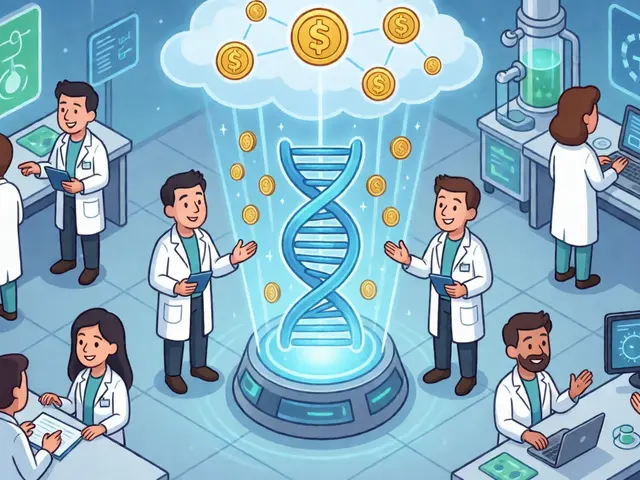
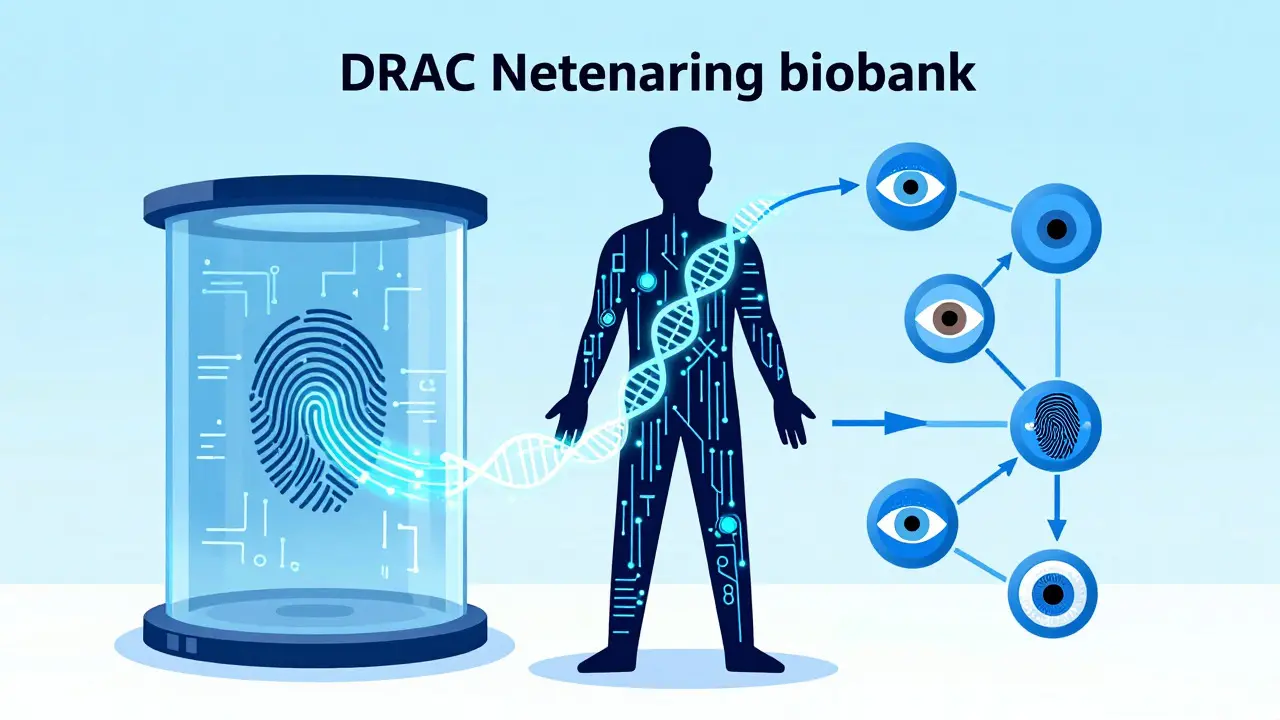
Most blockchains struggle with a problem called the "Sybil attack." This happens when one person creates thousands of fake identities to manipulate votes, spam networks, or game systems. DRAC tries to solve this with a feature called the "living biobank." Instead of just using a wallet address, users verify their real-world identity through biological data. Think of it like using your fingerprint or face ID, but for the blockchain.
This approach aims to create "unique blockchain identities." The goal is to ensure that every participant in the network is a real human being. By combining biological verification with digital identity management, DRAC hopes to build trust in decentralized applications where anonymity often leads to fraud or manipulation.
How Governance Works: Faction Voting
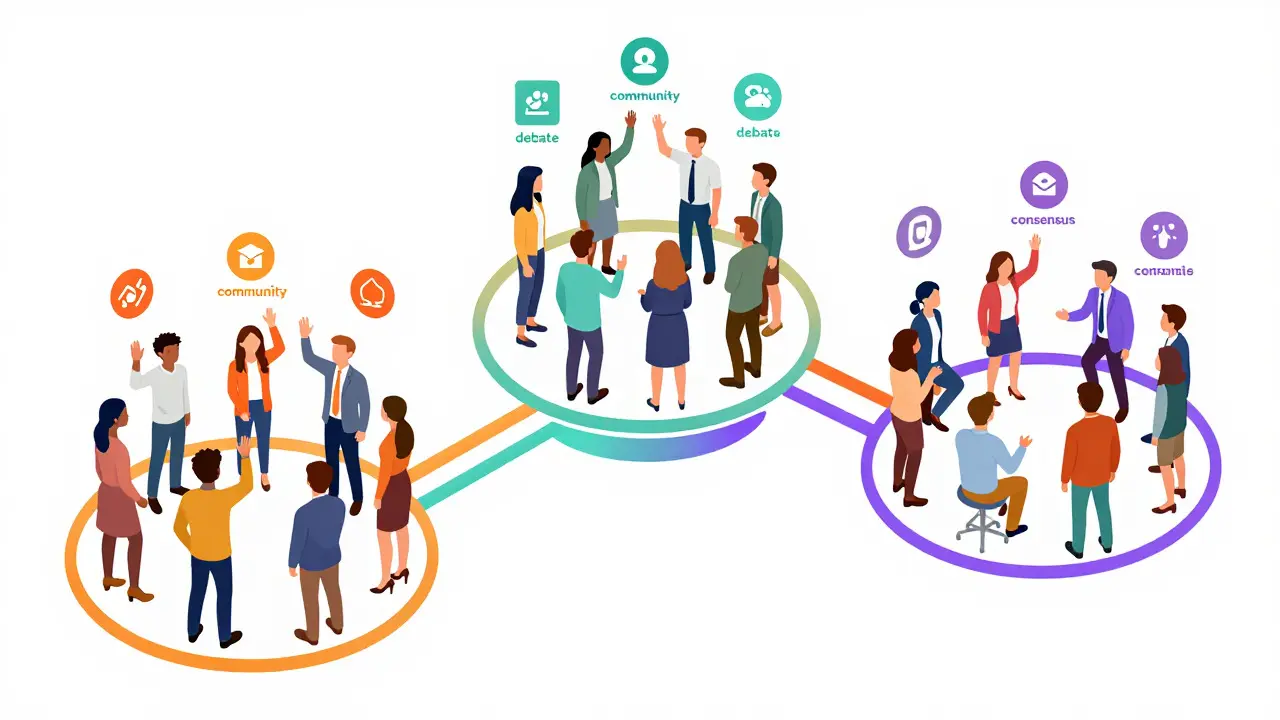
Decentralization usually means everyone has an equal say, but that can lead to chaos or slow decision-making. DRAC introduces a model called "faction voting." Here is how it differs from standard token-based voting:
- Community-Driven Decisions: Users group into factions based on shared interests or goals.
- Structured Debate: Factions propose changes and vote as a unit, aiming for consensus rather than simple majority rule.
- People-Oriented Principles: The system emphasizes autonomy and equal rights, trying to prevent whale dominance (where large holders control everything).
This structure is designed to make governance more democratic and less susceptible to bribery by wealthy investors. However, because the user base is small, the impact of these votes on the broader ecosystem remains limited.
Ecosystem Components: More Than Just a Coin
DRAC isn’t just a token; it’s an attempt at a full-stack ecosystem. The team has built several tools to support commercial applications:
| Component | Function | Use Case |
|---|---|---|
| Decentralized Exchange (DEX) | Allows trading without intermediaries | Swapping DRAC for other tokens |
| Cross-Chain Bridge | Connects DRAC to other blockchains | Moving assets between Ethereum and DRAC |
| NFT Platform | Minting and auctioning digital assets | Selling art or collectibles tied to verified identities |
| Wallet Service | Secure storage for keys and assets | Managing daily transactions |
| Token Lock-Up Mechanisms | Staking or locking tokens for rewards | Incentivizing long-term holding |
These tools aim to support commercial-scale applications like cross-border payments, product traceability, and even social networking. The vision is to create a "blockchain application environment" specifically for e-commerce users who need reliable identity checks.
Technical Specifications and Performance
Technically, DRAC operates as an independent chain modeled after Ethereum. This means developers familiar with Solidity (Ethereum’s coding language) can build on it relatively easily. However, DRAC implements its own consensus mechanism to handle smart contracts efficiently.
According to analysis from MEXC Blog, the network is designed for high concurrency. This suggests it can process many transactions at once without slowing down-a common bottleneck for older blockchains. But here is the catch: while the specs sound good on paper, there is little public data on actual transaction speeds or fees compared to competitors like Polygon or Solana.
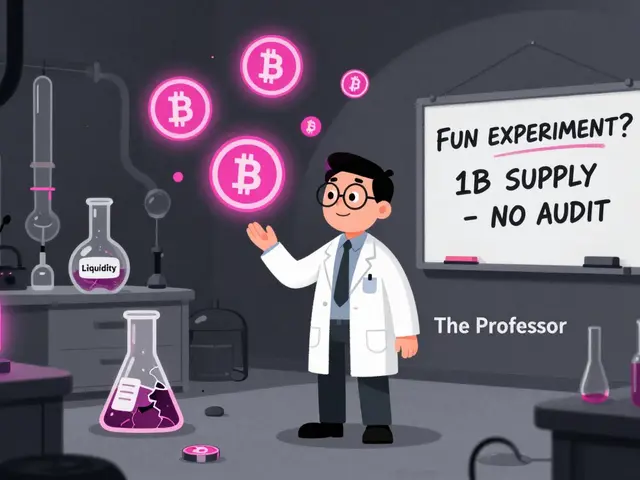
The lack of transparent performance benchmarks makes it hard to judge if DRAC truly delivers on its promise of speed and security. Without third-party audits or real-world stress tests, these claims remain theoretical.
Market Reality: Price, Liquidity, and Confusion
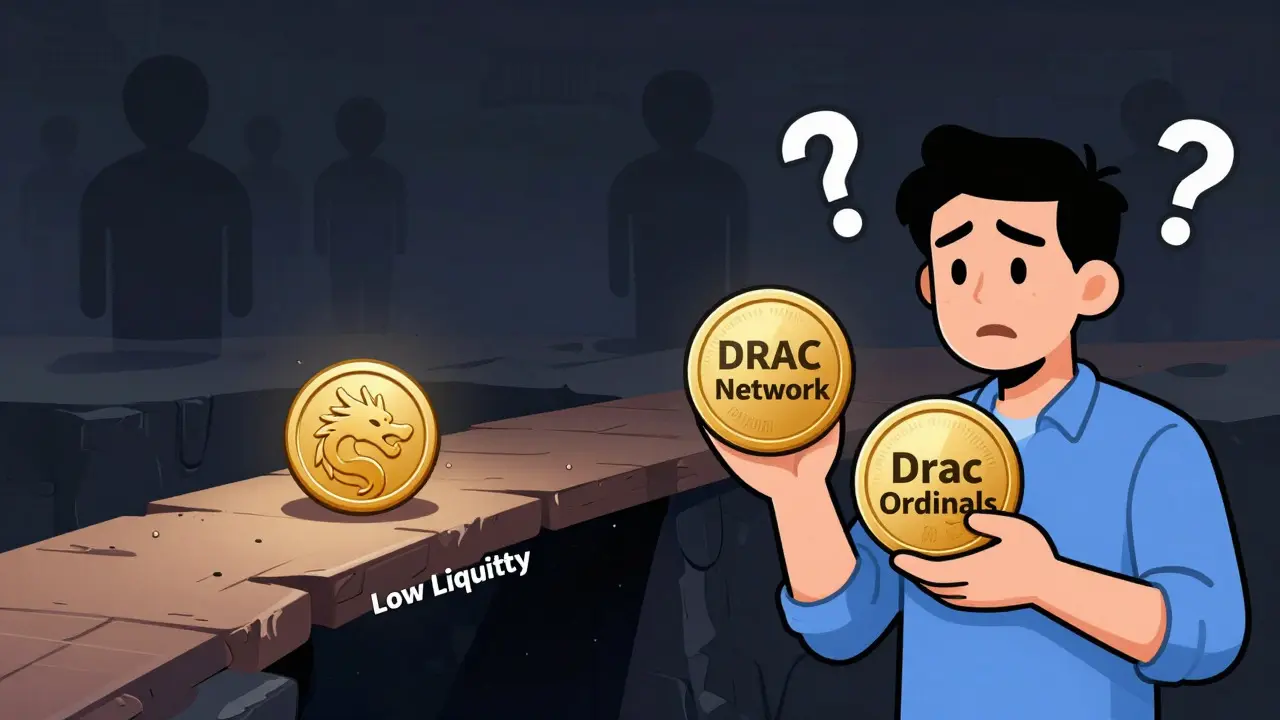
Let’s talk numbers. As of early 2025, the price of DRAC hovered around $0.0001. To put that in perspective, most top 100 cryptocurrencies trade for significantly more, even during bear markets. This ultra-low price point signals extremely low liquidity and minimal market capitalization.
Here is why this matters for you:
- Low Visibility: Few exchanges list DRAC, making it hard to buy or sell without moving the price drastically.
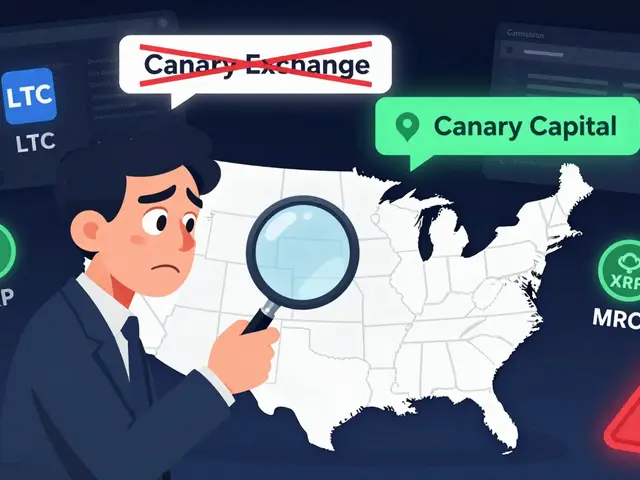
- Naming Conflict: There is another asset called "Drac (Ordinals)" on platforms like Bitget. This is a completely different project built on Bitcoin’s Ordinals protocol (BRC-20). New investors often confuse the two, leading to accidental purchases.
- Limited Community: Search results show almost no active Reddit threads, forum discussions, or user reviews. A healthy crypto project thrives on community engagement; DRAC lacks this.
StockInvest.us recently upgraded its rating to "Buy candidate," citing technical support levels. But remember: this is an algorithmic assessment, not proof of fundamental value. With no major partnerships or news updates in recent years, the momentum appears stalled.
Risks You Should Know Before Investing
If you are thinking about adding DRAC to your portfolio, consider these risks carefully:
- Identity Privacy Concerns: Storing biological data on a blockchain raises serious privacy questions. If the database is hacked, your biometric info cannot be changed like a password.
- Regulatory Scrutiny: Governments are cracking down on KYC (Know Your Customer) requirements. While DRAC uses biometrics for identity, it may still face hurdles complying with global financial regulations.
- Competition: Major players like Ethereum, Solana, and Cardano already offer robust identity solutions. DRAC must prove its "living biobank" is better, cheaper, or faster to gain traction.
- Liquidity Risk: With such a low price and volume, selling large amounts could crash the price further.
Is DRAC Network Worth Your Attention?
DRAC Network represents an interesting experiment in combining biology with blockchain governance. Its focus on real-human verification addresses a genuine pain point in decentralized systems. However, execution has lagged behind ambition.
For developers, the Ethereum-compatible architecture offers a familiar starting point. For traders, the current market conditions suggest high risk with unclear upside potential. Until we see increased adoption, clear performance metrics, and stronger community activity, DRAC remains a speculative asset rather than a blue-chip investment.
Keep an eye on whether the team announces strategic partnerships or upgrades to their biometric system. Those would be strong signals of renewed momentum. Until then, proceed with caution and always double-check which "Drac" you are interacting with.
What is the main purpose of DRAC Network?
DRAC Network aims to provide a decentralized platform for commercial applications, focusing on unique identity verification through a "living biobank" system and community-driven governance via faction voting.
Is DRAC Network the same as Drac (Ordinals)?
No. DRAC Network is an Ethereum-based public chain focused on identity and commerce. Drac (Ordinals) is a separate token built on Bitcoin's Ordinals protocol (BRC-20). They are technically distinct projects.
How does the "living biobank" work?
The living biobank uses biological verification methods to authenticate users' real-world identities on the blockchain. This helps prevent Sybil attacks by ensuring each participant is a unique human.
Where can I buy DRAC tokens?
DRAC is listed on some decentralized exchanges within its own ecosystem and potentially on smaller centralized exchanges. Always verify the contract address to avoid scams or confusing it with other assets.
Why is the price of DRAC so low?
The low price reflects minimal market capitalization, low trading volume, and limited adoption compared to major cryptocurrencies. It indicates a niche market position with high volatility risk.
What is faction voting?
Faction voting is DRAC's governance model where users group into factions to make collective decisions. This aims to balance decentralization with efficient, community-driven policy changes.
Does DRAC Network have any major partnerships?
Public documentation does not highlight major corporate partnerships. The project focuses on building its internal ecosystem including DEX, NFT platforms, and bridges.
 Finance