

Zero-Knowledge Proofs: How Privacy Works in Crypto Without Revealing Data
Zero-knowledge proofs, a cryptographic method that lets one party prove they know a secret without showing the secret itself. Also known as ZKPs, they’re the quiet backbone of private transactions on blockchains like Zcash and Ethereum layer-2 networks. Imagine proving you’re over 18 without showing your ID. That’s what zero-knowledge proofs do for crypto: you prove a transaction is valid, you own the funds, or you met a condition—all without revealing your balance, address, or history.
This isn’t theory. It’s why privacy coins like Monero and Zcash stay relevant even as exchanges drop them. Regulators push for transparency, but users still want control. Zero-knowledge proofs walk that line. Projects like zkSync, StarkNet, and Tornado Cash use them to hide transaction details while keeping the network secure. You can’t trace the money, but you can verify it was sent correctly. That’s the magic.
And it’s not just for money. Zero-knowledge proofs are creeping into identity verification, voting systems, and even data-sharing platforms like Instars, where you prove you’re human or eligible for a reward without handing over your personal info. They’re the reason some DeFi apps let you trade without KYC. No one sees your wallet history, but the system still knows you’re not cheating.
But here’s the catch: if a project claims to use zero-knowledge proofs but doesn’t explain how, it’s probably just marketing. Real ZKPs require serious tech. That’s why most fake airdrops and sketchy exchanges don’t use them—they can’t. The real ones? They’re built into the code, not the hype.
Below, you’ll find real examples of how zero-knowledge proofs shape privacy in crypto—from the coins that rely on them to the scams that pretend to use them. You’ll see why Monero got delisted, how some DeFi platforms hide your trades, and which airdrops are trying to trick you with buzzwords. No fluff. Just what matters.
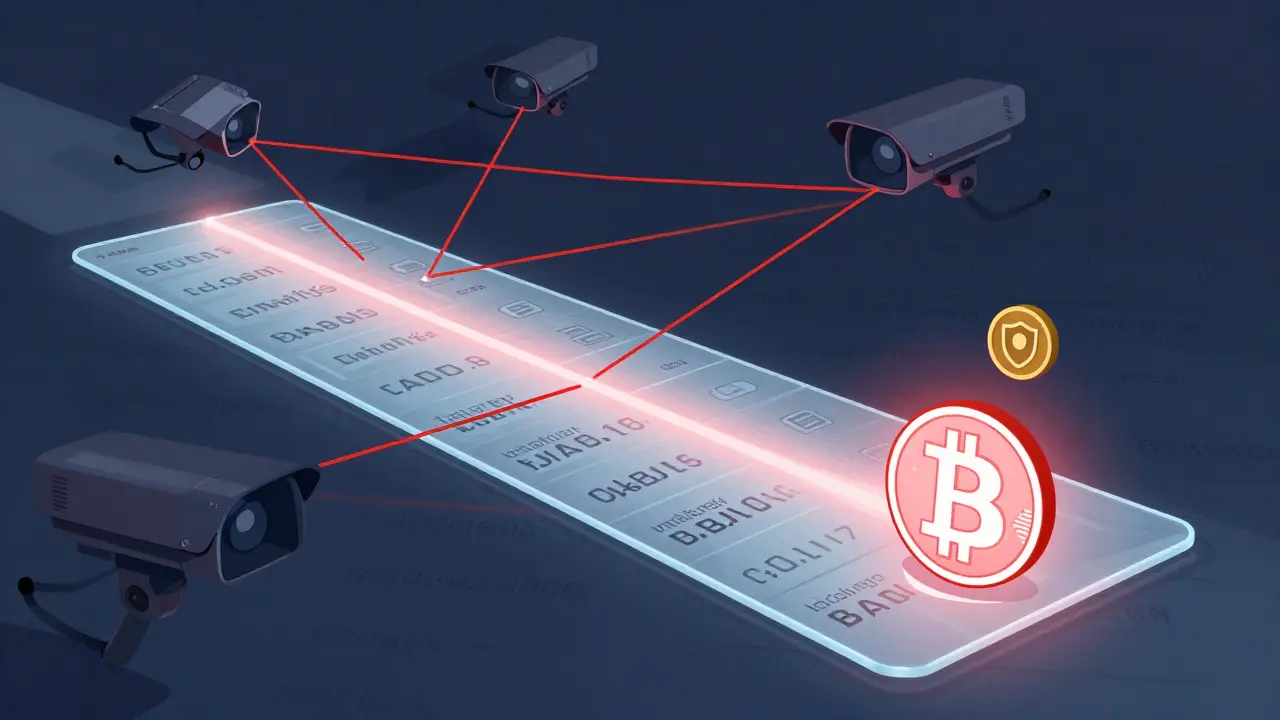
The battle between privacy tech and surveillance in crypto is heating up. Privacy coins like Monero and Zcash hide transactions, while tools like Chainalysis trace them. Who wins? It depends on whether society values financial freedom or control.
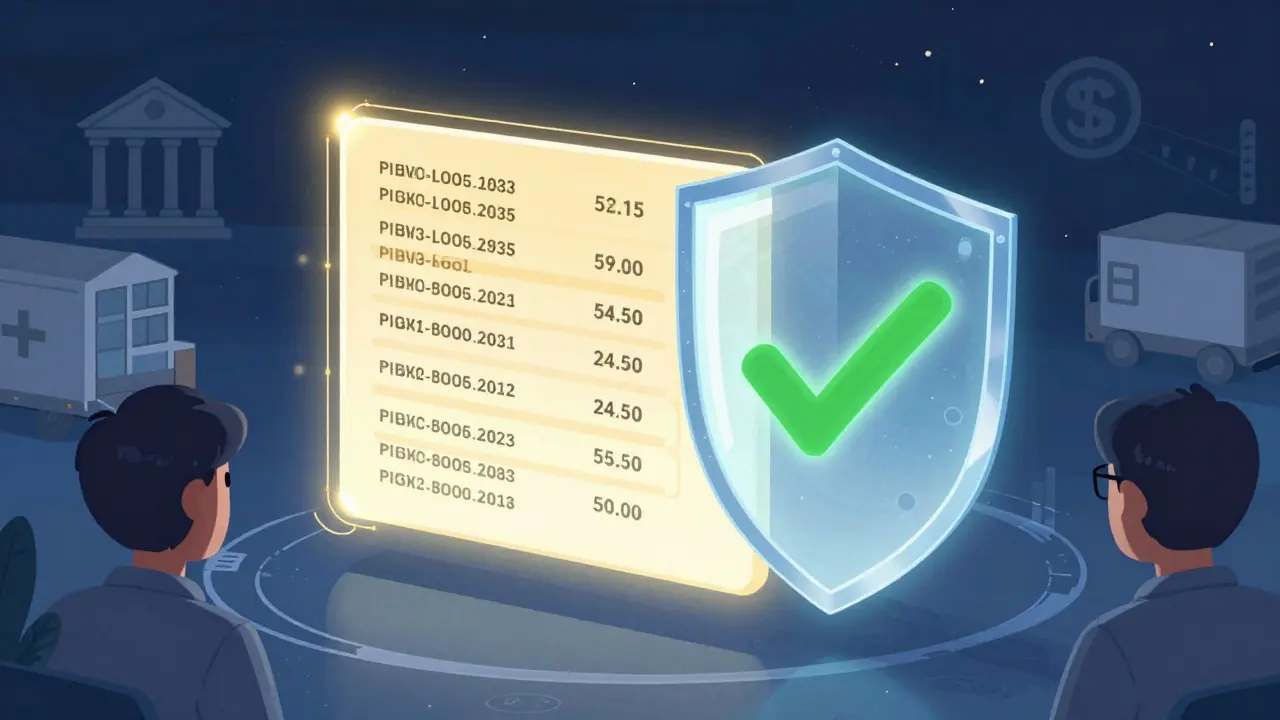
Blockchain offers transparency but clashes with privacy laws like GDPR. Discover how zero-knowledge proofs, off-chain storage, and privacy-by-design are solving this conflict in 2025 - without sacrificing trust or compliance.
Categories
 Finance
Archives
Recent-posts

How to Improve Liquidity in Decentralized Exchanges (DEX)
Apr, 8 2026

Kwenta Crypto Exchange Review: Decentralized Derivatives Trading on Synthetix
Dec, 31 2025
Germany's 12-Month Crypto Tax Exemption for Bitcoin Holders: What You Need to Know
Nov, 5 2025
Tauros Crypto Exchange Review - Institutional Custody Platform Explained
May, 25 2025

BitTap Crypto Exchange Review: Features, Risks, and What You Need to Know
Feb, 23 2026