

Vietnam Crypto Exchange: Rules, Fees, and Safety
When working with Vietnam crypto exchange a platform that lets users buy, sell, and swap digital assets under Vietnamese law Vietnamese crypto exchange, you instantly step into a niche that blends global crypto trends with local oversight. Vietnam crypto exchange is a member of the wider cryptocurrency exchange online services that match crypto buyers and sellers worldwide ecosystem, but it must also obey the specific rules set by Vietnam a fast‑growing Southeast Asian market where the government tightly monitors digital finance. The most critical driver here is regulatory compliance the set of licensing, AML, and KYC requirements imposed by the State Bank of Vietnam and the Ministry of Finance, which dictates everything from fee disclosure to asset custody. In practice, this means a Vietnam crypto exchange must publish clear maker‑taker fees, support local VND deposits through approved banks, and run real‑time monitoring tools to flag suspicious transactions. Those three pillars—platform type, local jurisdiction, and compliance—form a semantic chain: the exchange type requires compliance, compliance shapes fee transparency, and fee transparency influences user trust. Understanding this chain helps you compare platforms, avoid hidden costs, and stay on the right side of the law.
Key Factors That Shape a Vietnam Crypto Exchange
The first factor is licensing. Only exchanges that secure a formal license from the State Bank of Vietnam can legally offer fiat on‑ramps, KYC verification, and AML reporting. Unlicensed services might still appear on social media, but they lack consumer protections and can be shut down without notice. Second, fee structures differ dramatically: some platforms charge a flat 0.1% maker fee plus a 0.2% taker fee, while others bundle a VND withdrawal charge that can range from 10,000 to 30,000 VND depending on the currency. Knowing the exact cost per trade or withdrawal lets you compare a Vietnam crypto exchange against regional giants like Binance’s 0.075% maker‑taker model. Third, security protocols matter more than ever after the 2023 hacks that hit several Asian exchanges. Look for two‑factor authentication, hardware‑wallet integrations, cold‑storage percentages above 80%, and regular third‑party audits. Fourth, local payment options such as direct bank transfers, QR‑code payments, or integration with popular e‑wallets like MoMo and ZaloPay can speed up deposits and withdrawals, making the platform feel native to Vietnamese users. Finally, customer support in Vietnamese, clear dispute resolution processes, and transparent roadmap updates reflect a platform’s commitment to the local community. Each of these elements ties back to the core entities we introduced: the exchange’s licensing status is a direct outcome of regulatory compliance, fee transparency is enforced by Vietnam’s consumer protection rules, and security measures are mandated by both global best practices and local AML directives.
Putting all these pieces together, the articles below give you a full picture of the Vietnam crypto exchange landscape. You’ll find deep dives into airdrop opportunities that target Vietnamese traders, side‑by‑side reviews of the most popular local platforms, updates on the latest regulatory shifts, and practical tips for minimizing fees while keeping your assets safe. Whether you’re a beginner looking for a first exchange or a seasoned trader comparing fee structures, this collection equips you with the context and actionable insights you need to make an informed choice.
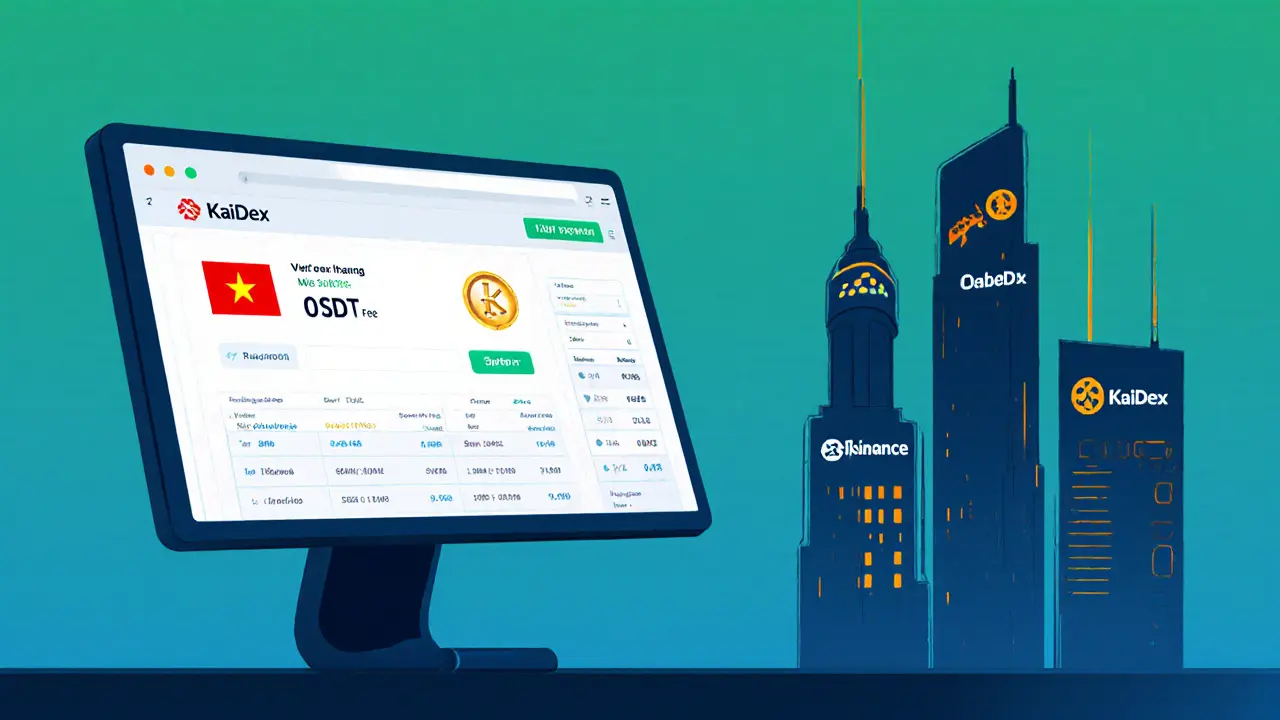
A concise review of Vietnam's KAIDEX crypto exchange, covering its single‑pair offering, 0.25% fee, low liquidity, security gaps, and who might actually use it.
Categories
 Finance
Archives
Recent-posts
Grassroots Crypto Adoption: How Communities Thrive Despite Government Bans
Dec, 5 2024
Cronus Finance Crypto Exchange Review: Is It Legit or a Scam?
Nov, 4 2025

Crypto Mixers and Tornado Cash Sanctions Explained: What Happened and Why It Matters
Dec, 17 2025

What is Enegra (EGX) Crypto Coin? The Truth About This Security Token
Nov, 15 2025
Is Crypto Illegal in Tunisia? The Complete Ban Explained
Apr, 4 2026