

SHO Token Eligibility
When talking about SHO token eligibility, the set of requirements users must meet to receive the SHO token airdrop. Also known as SHO airdrop qualification, it determines who can actually get the free tokens when the distribution happens.
The core of SHO token eligibility revolves around three things: the SHO token, a utility token launched on the XYZ blockchain, the airdrop qualification, the process that checks whether a wallet meets the airdrop criteria, and the broader cryptocurrency token distribution, how new tokens are allocated to existing holders or new participants. In plain terms, you need to own a certain amount of the SHO token, perform any required on‑chain actions, and sometimes pass a KYC check. That's why eligibility encompasses holding requirements, activity thresholds, and compliance steps. If any of those parts are missing, the distribution engine will skip your wallet.
Key Requirements and Common Pitfalls
First, the holding requirement is usually a minimum balance – for example, 10,000 SHO tokens must sit in a non‑custodial wallet at the snapshot date. This amount can change depending on the project's goals, but the rule stays the same: you need the tokens in a wallet you control. Second, activity requirements might ask you to stake, vote, or trade a specific volume on the designated platform. Third, many projects now ask for a simple KYC verification to prevent bots and wash trading. Skipping any of these steps breaks the eligibility chain, and you’ll miss out on the free tokens. Remember, eligibility is a one‑time snapshot; later actions don’t retroactively qualify you.
What often trips people up is the timing of the snapshot and the type of wallet used. If you move your tokens just before the snapshot, you could fall below the threshold. Using an exchange wallet can also disqualify you because exchanges often hold tokens in pooled accounts, making it impossible for the distribution script to identify individual owners. The safest route is a hardware or software wallet where you control the private keys. Another hidden snag is token lock‑ups – if your SHO tokens are locked in a vesting contract, they might not count toward the balance check unless the contract explicitly marks them as eligible.
Below you’ll find a curated list of articles that break down each piece of the eligibility puzzle. From step‑by‑step guides on verifying your holdings to deep dives on how token distribution mechanics work, the collection is designed to give you the exact actions you need to take. Whether you’re a seasoned trader or just starting out, these resources will help you avoid the usual mistakes and boost your chances of claiming the SHO airdrop.
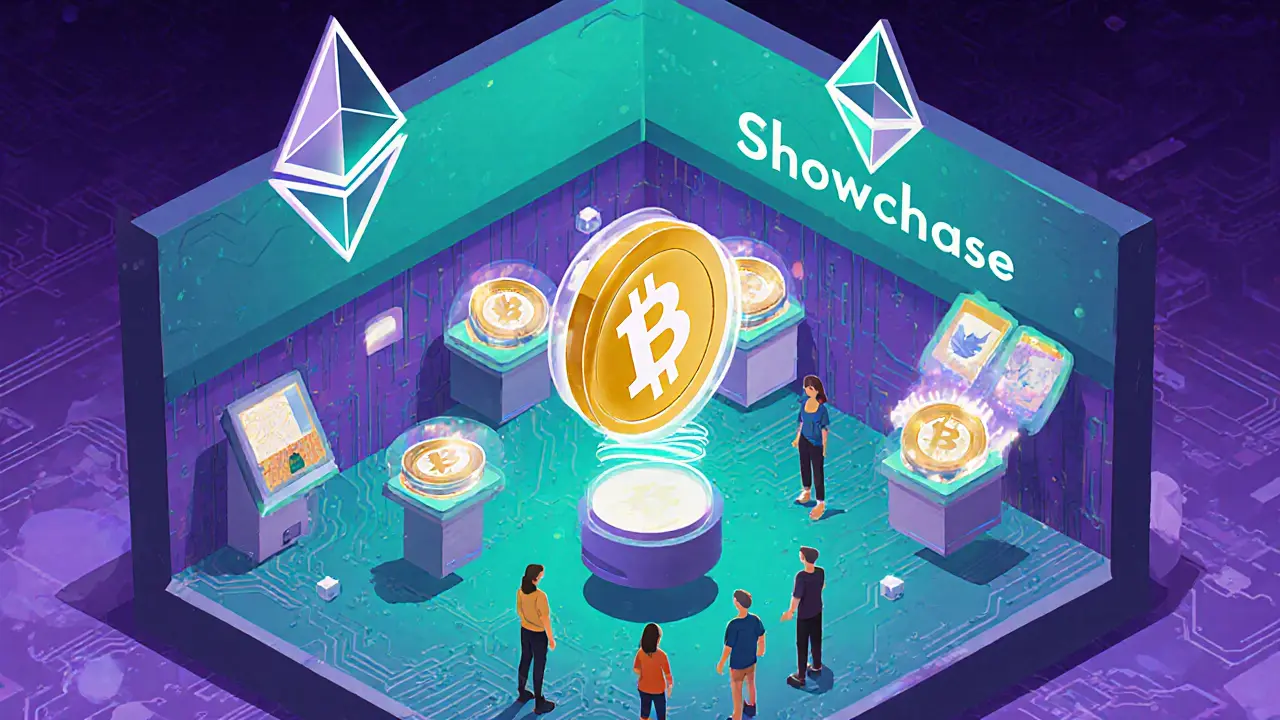
Learn how to claim the SHO token airdrop by Showcase, including eligibility, step‑by‑step instructions, timeline, safety tips, and a handy FAQ.
Categories
 Finance
Archives
Recent-posts
Merkle Trees Explained: How Blockchain Uses Hash Trees for Secure Verification
Nov, 11 2024

Future Legal Recognition of Cryptocurrency: What Changed in 2025 and Why It Matters
Feb, 15 2026
What is Stables Labs (Staked USDX) (sUSDX) Crypto Coin? A Real-World Breakdown
Jan, 19 2026
6x.com Crypto Exchange Review 2025: Pros, Cons & Alternatives
Oct, 23 2025
What is CRODEX (CRX) crypto coin? Complete guide to the Cronos-based DEX token
Oct, 28 2025