

Malta Crypto Residency: Benefits, Requirements, and How to Apply
When considering Malta crypto residency, a government‑backed program that lets crypto holders live and work in Malta while enjoying favorable tax treatment. Also known as Malta Digital Nomad Visa, it provides a clear regulatory framework for digital assets.
The scheme sits inside the larger crypto residency trend that includes options like Portugal’s Golden Visa and Estonia’s e‑Residency. A major draw is the tax benefits—lower capital‑gains rates and no wealth tax on crypto profits. Because Malta has positioned itself as a blockchain hub, many investors see a direct link between Malta crypto residency and easier banking, EU market access, and a supportive legal environment.
Key Benefits of Malta Crypto Residency
First, the program offers genuine tax advantages: qualified residents pay a flat 5 % tax on crypto‑related income instead of the higher rates found elsewhere. Second, residency grants you Schengen‑zone mobility, so you can travel across Europe without extra visas. Third, Malta’s Financial Services Authority has published clear guidance on crypto assets, meaning regulatory certainty reduces the risk of sudden policy shifts. In short, regulatory clarity influences residency decisions by giving investors confidence that their holdings stay lawful.
Eligibility is straightforward but requires solid proof. Malta crypto residency requires proof of crypto holdings, typically a wallet audit showing at least €150,000 in assets. Applicants must also pass background checks, have health insurance, and demonstrate a stable income source—either from crypto or traditional employment. The minimum stay is 183 days per year, and you’ll need to open a Maltese bank account to satisfy the Financial Services Authority’s anti‑money‑laundering rules.
The application process breaks down into four steps. First, gather your documents: passport, proof of residence, bank statements, and a signed declaration of crypto assets. Second, submit the online form through Malta’s Immigration Authority and pay the €5,000 processing fee. Third, the authorities conduct due‑diligence checks and may request additional crypto‑wallet verification. Finally, once approved, you receive a residence permit and can register for tax residency within 30 days. Many applicants use local legal firms to streamline the paperwork and avoid delays.
Beyond taxes, Malta’s ecosystem offers practical perks. The island hosts a vibrant community of blockchain startups, offering networking events and co‑working spaces catering to crypto professionals. Local banks have launched dedicated crypto‑friendly accounts, reducing the friction many face when moving funds across borders. Moreover, Malta’s education sector offers courses on blockchain technology, giving residents access to up‑skilling opportunities without leaving the country.
Potential pitfalls include the cost of living, which is higher than some Eastern‑European alternatives, and the fact that the residency permit must be renewed annually. Compliance is also essential: you must file an annual tax return detailing crypto transactions, and failure to do so can lead to penalties. To stay ahead, many residents set up automated reporting tools that pull data from exchanges and wallets directly into their tax software.
Our collection of articles below ties directly into the residency decision‑making process. You’ll find step‑by‑step airdrop guides (like the Base Reward Token or Bull Finance drops) that illustrate how to grow crypto holdings, exchange reviews (OpenSwap, SuperEx, Coinext) that help you pick a platform with strong Maltese banking links, and regulatory deep‑dives (China’s 2025 ban, Taiwan’s banking restrictions) that keep you aware of global trends that could affect your Maltese status. Together, these resources give you a practical toolkit for navigating the crypto landscape while living in Malta.
Ready to dive into the specifics? Below you’ll discover detailed guides, actionable tips, and real‑world examples that will help you turn the idea of a Malta crypto residency into a concrete plan.
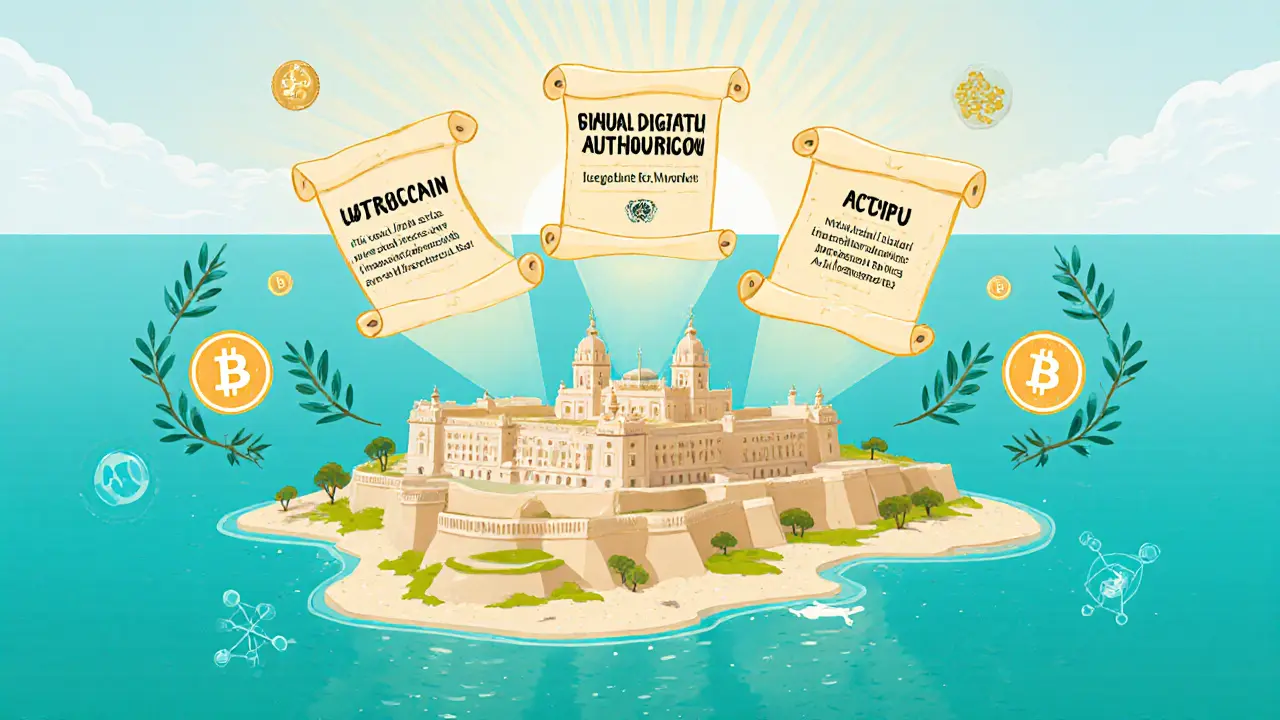
Explore Malta's Blockchain Island Strategy, covering crypto regulations, tax perks, licensing steps, residency programs, and how it compares to other crypto-friendly jurisdictions.
Categories
 Finance
Archives
Recent-posts

Perpetual Protocol Crypto Exchange Review: Decentralized Perps in 2026
Jan, 15 2026

Understanding 10x, 50x, 100x Leverage in Crypto Trading
Dec, 21 2025

6x.com Crypto Exchange Review 2025: Pros, Cons & Alternatives
Oct, 23 2025

What is Sypool (SYP) crypto coin? Explained in plain terms
Dec, 4 2025

Shambala (BALA) Airdrop: What’s Real, What’s Not, and Where to Watch
Dec, 7 2025