

Gaming Token: What It Is and Why It Matters
When talking about gaming token, a digital asset designed to power in‑game economies, reward players, and fund development. Also known as game coin, it blends cryptocurrency tech with interactive entertainment. A airdrop, a free distribution of tokens to qualifying users often kick‑starts a new gaming token, while a NFT, a unique digital collectible that can represent items, avatars or achievements adds scarcity and tradability. Together they create a loop where gaming token drives play‑to‑earn mechanics, airdrops attract early adopters, and NFTs boost engagement.
Core Elements of a Gaming Token Ecosystem
First up, tokenomics – the rules that dictate supply, distribution, and utility. A solid tokenomics model defines how many tokens exist, how they’re earned in‑game, and what real‑world value they hold. Next, the play‑to‑earn model turns gameplay into a revenue stream; players earn tokens by completing quests, winning battles, or staking assets. Finally, blockchain gaming platforms like Solana or BSC provide the infrastructure that makes these transactions fast and cheap. The synergy is clear: tokenomics sets the stage, play‑to‑earn provides the action, and the blockchain ensures everything is secure and transparent.
Gaming tokens also intersect with IDO launch, an initial token offering that raises funds through a decentralized sale. An IDO can fund game development while giving participants early access to the token. When an IDO succeeds, it often triggers a follow‑up airdrop to reward contributors, creating a feedback loop that fuels community growth.
Another crucial piece is the fan token, a token tied to a sports club or e‑sports team that lets fans vote on decisions or earn merch. While not a pure gaming token, fan tokens share the same mechanics: they use blockchain for governance and reward fans with exclusive experiences. This crossover shows how gaming token concepts are expanding beyond traditional video games into broader entertainment.
Security and compliance also matter. Regulations like the EU’s MiCA or local crypto tax rules affect how gaming tokens can be issued and traded. Projects that ignore these guidelines risk bans or fines, which can cripple a token’s value overnight. Keeping an eye on legal frameworks ensures the token stays viable for both developers and players.
All these pieces—airdrop incentives, NFT collectibles, tokenomics design, IDO funding, fan token integration, and regulatory compliance—form a web of relationships that define the modern gaming token landscape. Below you’ll find detailed guides, reviews, and step‑by‑step instructions that dive deeper into each of these areas, so you can understand how to spot opportunities, avoid pitfalls, and make the most of the gaming token boom.
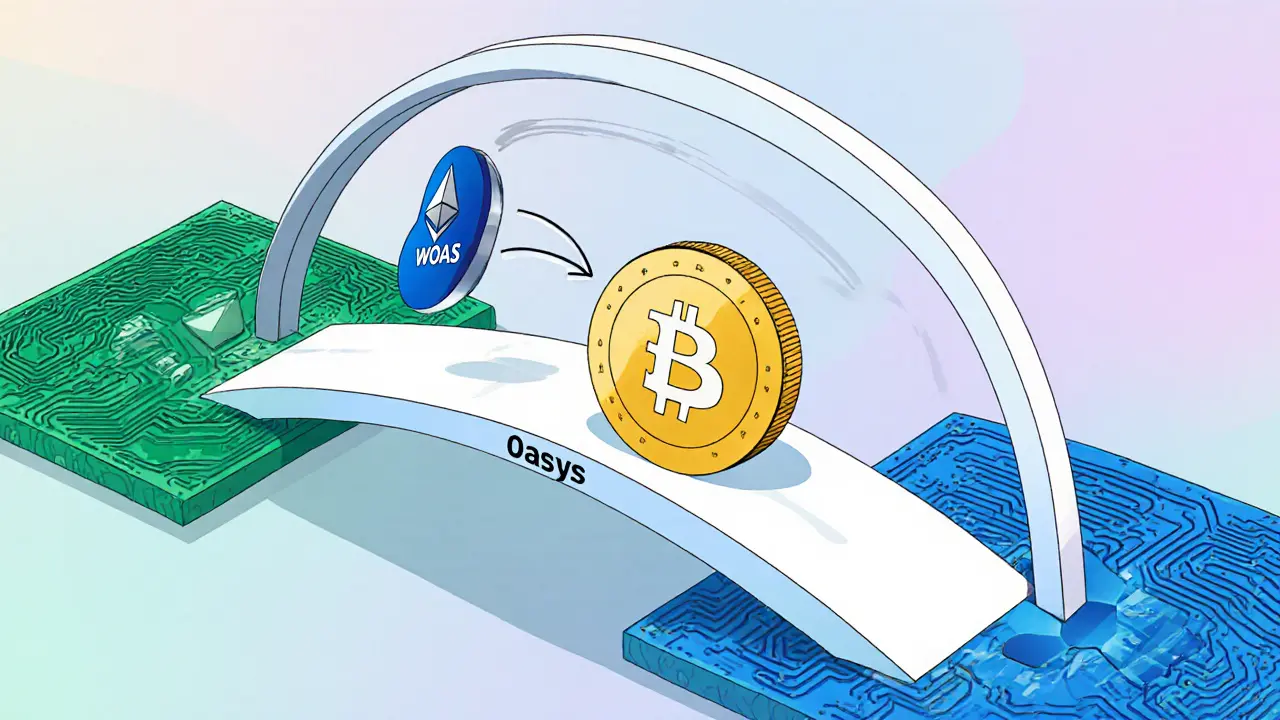
Learn what Wrapped Oasys (WOAS) is, how it works as an ERC‑20 bridge token, its benefits for gaming DeFi, risks, and future roadmap in a clear, friendly guide.
Categories
 Finance
Archives
Recent-posts
Future of NFTs in Global Supply Chains: How Blockchain Is Transforming Traceability and Trust
Nov, 2 2025
Shambala (BALA) Airdrop: What’s Real, What’s Not, and Where to Watch
Dec, 7 2025
BitTap Crypto Exchange Review: Features, Risks, and What You Need to Know
Feb, 23 2026
WoofSwap Crypto Exchange Review: Features, Fees & Future Outlook
Feb, 21 2025
What is Cat in Hoodie (HODI) crypto coin?
Feb, 26 2026