

DEX Explained: What Decentralized Exchanges Are and Why They Matter
When you trade crypto on a DEX, a decentralized exchange that lets users trade directly from their wallets without a central authority. Also known as a decentralized crypto exchange, it removes banks, brokers, and middlemen from the equation—putting control back in your hands. That’s the core idea. No KYC. No deposits. No one holding your keys. You connect your wallet, pick a token, and swap—right on the blockchain.
That’s different from places like Binance or BTCC, which act like digital banks. Those are centralized exchanges—they store your crypto, manage your trades, and can freeze your account. A DEX, a decentralized exchange that operates on smart contracts runs on code. If the code works, your trade executes. If it doesn’t, nothing happens. No one can cancel it. No one can delay it. That’s why DEXs like Minswap V2, a fast, low-fee decentralized exchange built on Cardano or Flamingo Finance, a multi-chain DeFi platform offering swaps and vaults without KYC are growing. They’re not trying to be banks. They’re trying to be infrastructure.
But DEXs aren’t perfect. They’re slower than centralized platforms. They’re harder to use if you’re new. And if you mess up a transaction, there’s no customer service to call. That’s why many traders use both: a DEX for control, a centralized exchange for speed. The real value of a DEX isn’t just in trading—it’s in access. It lets anyone with an internet connection join global markets without permission. You don’t need a bank account. You don’t need to prove who you are. You just need a wallet.
That’s why you’ll see so many posts here about DEXs on Cardano, Solana, and BNB Chain. They’re not just trading tools—they’re the backbone of DeFi. From swapping tokens on THENA FUSION, a DeFi SuperApp on BNB Chain with leveraged trading to spotting scams like fake airdrops tied to CoinMarketCap, the thread is the same: if you’re using crypto without a middleman, you’re using a DEX. And if you’re not careful, you’re also risking your funds.
Below, you’ll find real reviews, deep dives, and blunt warnings about the DEXs people are actually using—some good, some dangerous. No fluff. No hype. Just what’s working, what’s broken, and what to avoid before you send your next transaction.
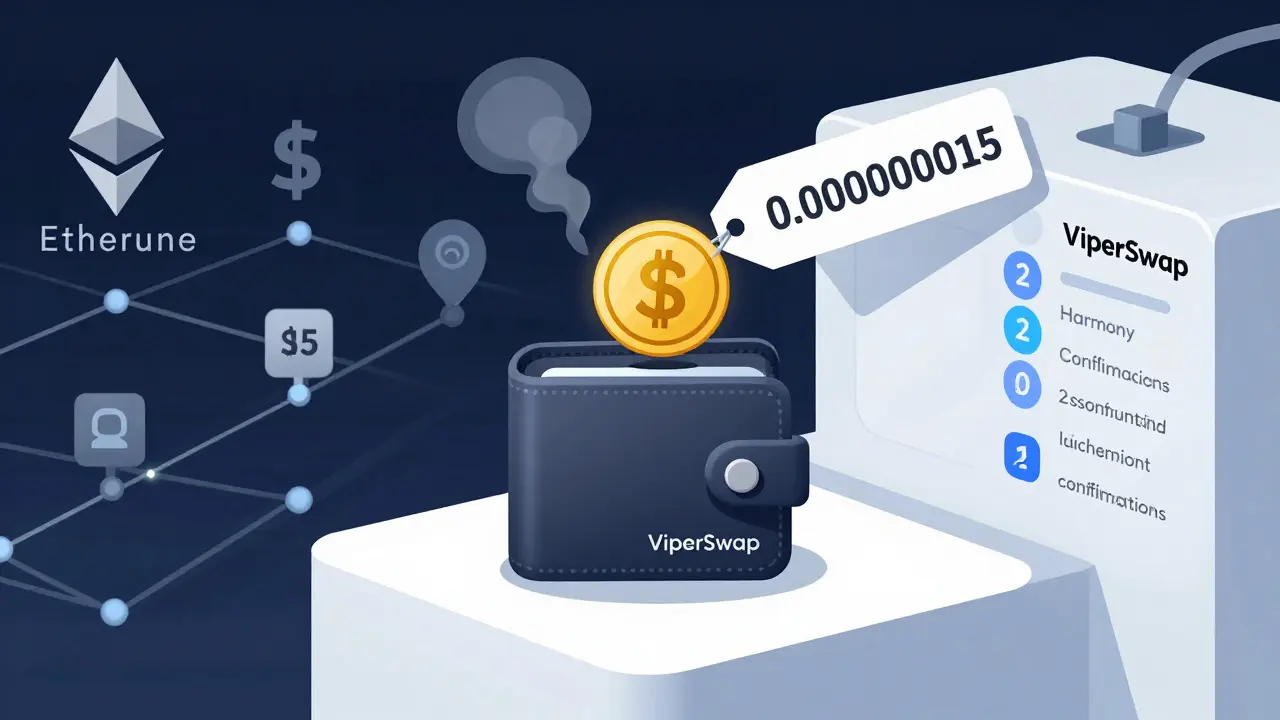
ViperSwap is a hyper-efficient DEX on Harmony blockchain with near-zero trading fees and fee-sharing for stakers. Ideal for micro-transactions, but limited to HRC-20 tokens. Not for big trades or cross-chain users.
JAMM Trading appears on CoinMarketCap but has zero trading data, no user reviews, and no security info. In 2026, it remains an untracked, non-operational exchange. Avoid it - there’s no proof it’s safe or even active.
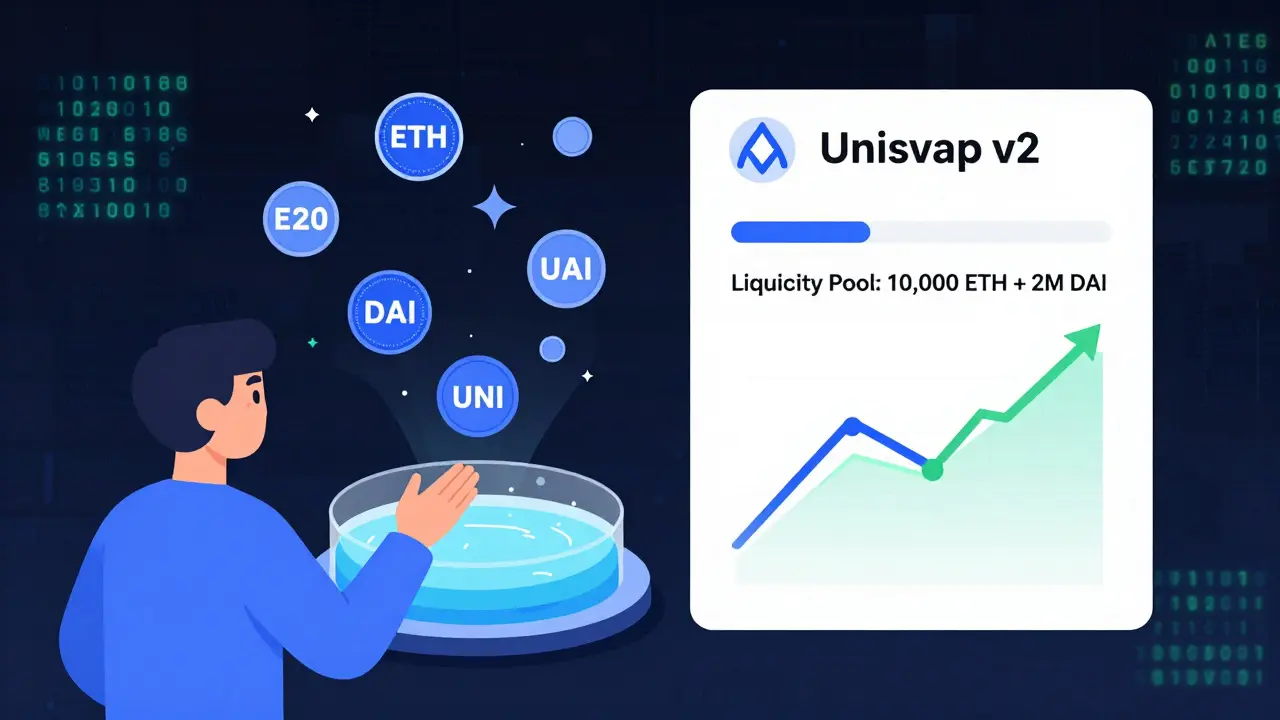
Uniswap v2 is a leading decentralized exchange for swapping Ethereum tokens, while Plasma is a separate blockchain built only for free USDT transfers. Learn how they work, why they’re not the same, and which one to use.
Categories
 Finance
Archives
Recent-posts
Ecuador’s Underground Crypto Market: Risks, Reality, and Regulations
Oct, 20 2025
Tauros Crypto Exchange Review - Institutional Custody Platform Explained
May, 25 2025
How to Secure VARA Crypto Licensing in Dubai - Complete 2025 Guide
Mar, 27 2025
1MillionNFTs (1MIL) airdrop details and how to verify the Monad “1 Million Nads” NFT
Oct, 19 2025
LFW x CMC NFT Airdrop: How to Get Your Free NFT from Linked Finance World
Nov, 19 2025