

Crypto Exchange Alternatives
When you hear crypto exchange alternatives, platforms that let you trade digital assets outside the big centralized venues, often with lower fees or niche token listings. Also known as decentralized exchanges (DEX), they give users more control over their funds and usually run on smart‑contract protocols.
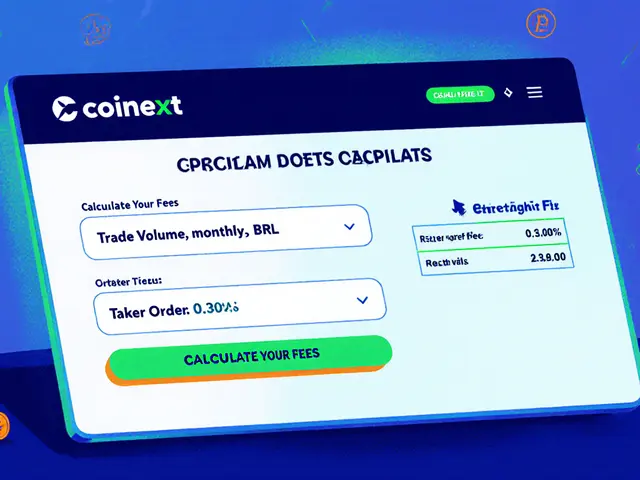
One of the first names that pop up is OpenSwap, a cross‑chain DEX focused on fast swaps and low gas costs. It offers a built‑in liquidity pool and a modest fee structure, making it a solid choice for traders who want quick moves without waiting for order books to fill. Another popular option is SuperEx, a Web3‑enabled exchange that blends centralized features with decentralized security. SuperEx stands out for its governance token and DAO‑driven roadmap, which can appeal to users who like to have a say in platform upgrades. Meanwhile, Coinext, a Brazil‑focused exchange that combines fiat on‑ramps with crypto trading tools targets regional users needing local payment options and regulatory compliance.
Why crypto exchange alternatives matter
Choosing a crypto exchange alternative isn’t just about chasing lower fees; it’s about matching the platform’s strengths to your trading style. For example, DEXs like OpenSwap often require you to manage your own private keys, which boosts security but adds a layer of responsibility. SuperEx, with its hybrid model, lets you keep custody of assets while still benefiting from a familiar UI. Coinext provides an easy bridge between local banks and crypto wallets, which can reduce onboarding friction for newcomers. These differences create a clear semantic triple: crypto exchange alternatives encompass decentralized platforms, hybrid services, and region‑specific solutions. They also require users to understand concepts such as gas fees, liquidity provision, and compliance checks.
Security is another core attribute. OpenSwap uses audited smart contracts and a bug‑bounty program to keep exploits at bay. SuperEx implements multi‑sig wallets and regular penetration tests, while Coinext complies with Brazil’s financial regulators, offering KYC/AML safeguards. By linking the attribute “security” to each entity, we form triples like: OpenSwap provides audited contracts, SuperEx offers multi‑sig protection, and Coinext meets local compliance standards.
Fees also play a big role in decision‑making. OpenSwap typically charges 0.15% per swap, SuperEx ranges from 0.1% to 0.3% depending on volume, and Coinext adds a small fiat‑to‑crypto spread. Understanding these numbers helps you calculate real‑world costs, especially if you trade daily. The relationship here is: lower fees enable higher net returns, and each platform’s fee model influences its user base.
In the sections below you’ll find detailed reviews, feature breakdowns, and practical tips for each of these alternatives. Whether you’re hunting for the cheapest swaps, the safest custody, or the smoothest fiat gateway, the curated posts give you the data you need to pick the right platform for your next trade.
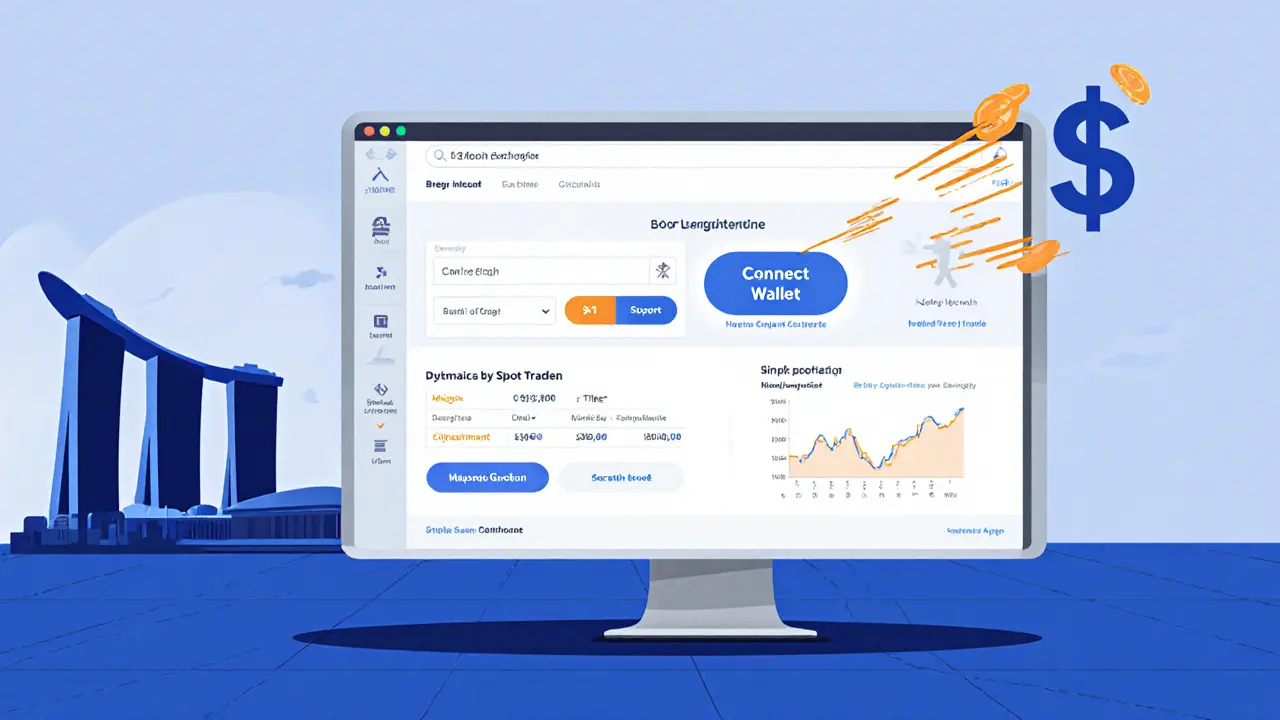
A 2025 review of 6x.com crypto exchange covering fees, security, user experience, and how it measures up against top platforms like Binance and Coinbase.
Categories
 Finance
Archives
Recent-posts
2025 Exit Tax on Crypto for US Expatriates: A Complete Guide
Oct, 26 2025

Inside ElSalvador’s Chivo Wallet: Bitcoin Adoption, Challenges, and What Comes Next
Aug, 10 2025
ZERC DeRace Airdrop: Complete Guide to the zkRace Token Swap and Distribution
Jan, 18 2026
Caduceus CMP Airdrop Details: How to Claim & What Was Distributed
Feb, 12 2025
Coinext Crypto Exchange Review 2025: Fees, Security & Features
Oct, 3 2025