

Crypto APIs: Powering Real‑Time Crypto Apps
When working with Crypto APIs, programmatic interfaces that let apps retrieve real‑time crypto prices, transaction data, and perform trading actions across multiple platforms. Also known as Cryptocurrency APIs, they act as the bridge between raw blockchain activity and user‑friendly dashboards.
One of the most common building blocks is the Exchange API, a set of endpoints that expose order books, trade execution, and account balances on crypto exchanges. Traders use it to automate strategies, while developers pull market depth for price alerts. Another key piece is the WebSocket API, a push‑based connection that streams live ticks, trades and blockchain events the second they happen. This low‑latency feed fuels everything from arbitrage bots to live chart widgets. For simpler, request‑response scenarios, the REST API, offers standard HTTP calls to fetch historical data, token info and transaction histories. Together these interfaces let a single app cover price tracking, airdrop monitoring, compliance checks and even DeFi protocol interactions without juggling multiple codebases.
Why Crypto APIs Matter for Traders and Builders
Crypto APIs enable developers to pull live market data, execute trades, and monitor on‑chain events without writing low‑level node code. They also require secure authentication—API keys, OAuth tokens or signed requests—so that only authorized clients can access sensitive order functions. A reliable API stack reduces latency, improves uptime, and helps meet regulatory reporting needs, especially when you’re tracking tax events or compliance alerts across jurisdictions. For example, a tax‑tracking app can combine exchange data from an Exchange API with transaction logs from a blockchain data API to auto‑calculate capital gains for users in India, China, or Brazil.
The ecosystem around Crypto APIs keeps expanding. New DeFi APIs let you query liquidity pool stats, yield rates, and smart‑contract health checks. Some platforms bundle SDKs for Python, JavaScript and Go, making it easy to embed API calls into web dashboards or mobile wallets. As more projects publish open‑source API specs, developers can mix‑and‑match services—pairing a price‑feed API with a separate on‑chain indexing API—to build custom alerts for airdrops like the Bull Finance or SupremeX events featured in our latest posts.
Below you’ll find a curated collection of articles that dive deeper into specific APIs, compare exchange integrations, explain how to secure your keys, and show real‑world use cases—from tracking algorithmic stablecoins to navigating crypto regulations worldwide. These guides will give you the practical knowledge you need to choose the right API stack and start building smarter crypto tools right away.
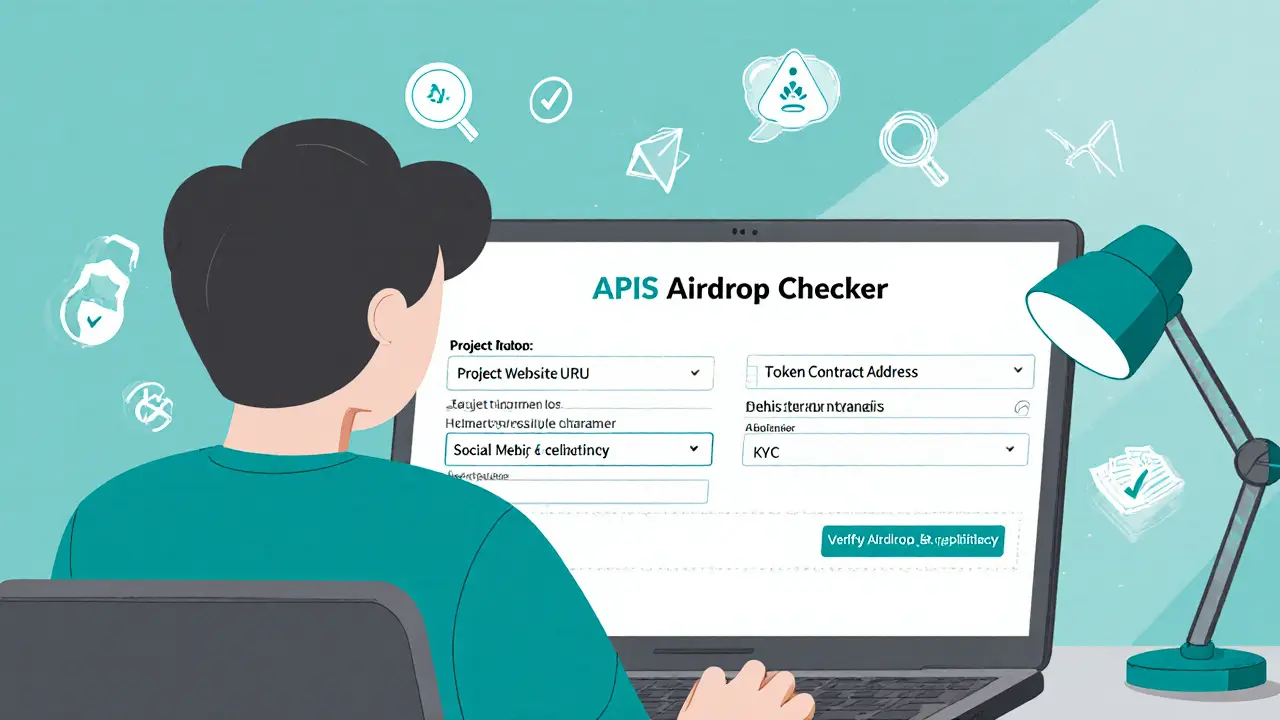
The article explains the lack of official info on The APIS airdrop, outlines typical airdrop mechanics, offers verification steps, a readiness checklist, and a FAQ to keep readers safe and prepared.
Categories
 Finance
Archives
Recent-posts

VDR Airdrop by Vodra x CoinMarketCap: How to Join and What You Get
Nov, 10 2025

The Recharge Incentive Drop Airdrop: What We Know (and What You Should Watch Out For)
Feb, 12 2026

FinTech Law and Cryptocurrency in Mexico: Restrictions, Rules, and What’s Next
Jul, 27 2026

FOTA Crypto Exchange Review: Can You Trade This Token?
Mar, 28 2026

What is ShibaCorgi (SHICO) crypto coin? Explained with real price, supply, and risks
Nov, 8 2025