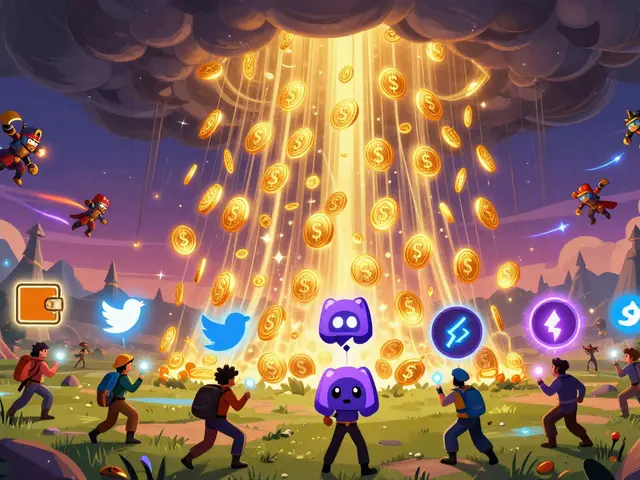

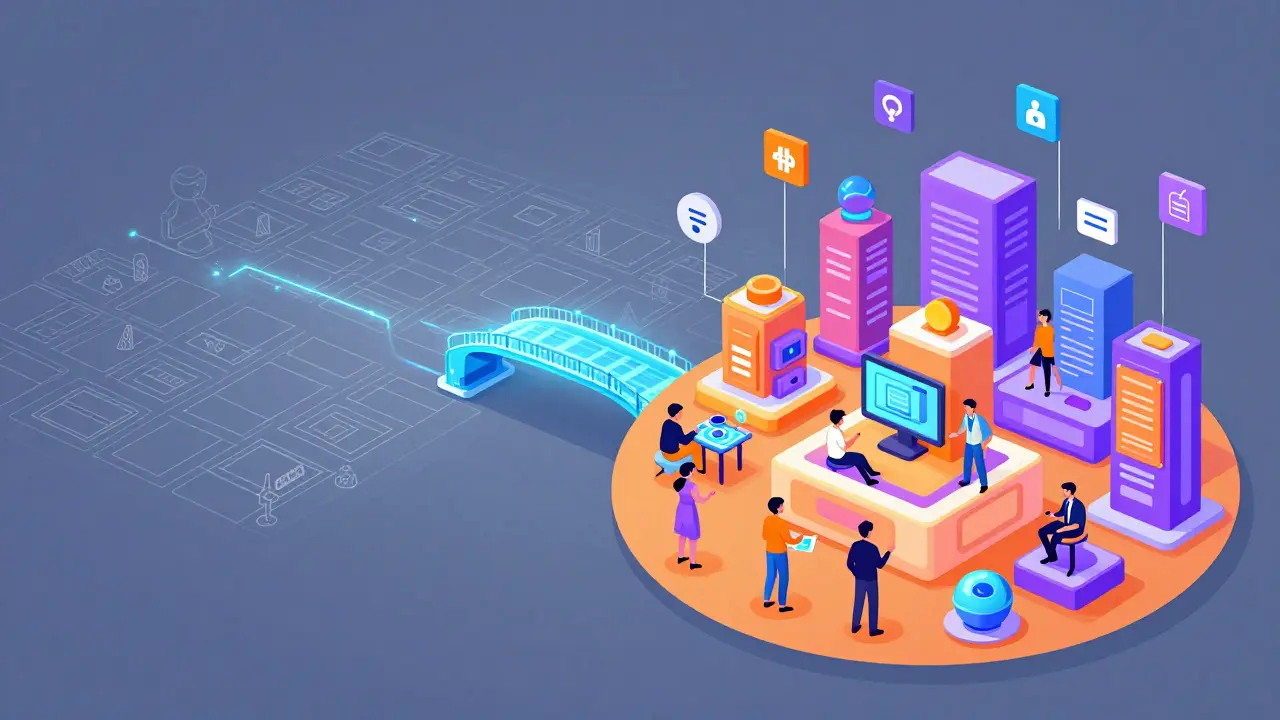
The hype cycle for the metaverse is a digital universe where users interact, work, and play using blockchain technology has cooled down from its feverish peak, but that doesn't mean the sector died. In fact, 2025 marked a turning point. We moved past the era of buying empty plots of virtual land hoping they would skyrocket in value. Instead, we entered an age of utility. The major metaverse projects in 2025 are no longer just about speculation; they are about building functional economies, integrating artificial intelligence, and creating genuine entertainment value.
If you are looking at this space now, you need to separate the noise from the signal. Many early projects have faded into obscurity, while others have evolved into sophisticated platforms combining gaming, social interaction, and decentralized finance (DeFi). This guide breaks down the key players defining the landscape in 2025, how their economies work, and what makes them worth your attention.
The Established Giants: Sandbox and Decentraland
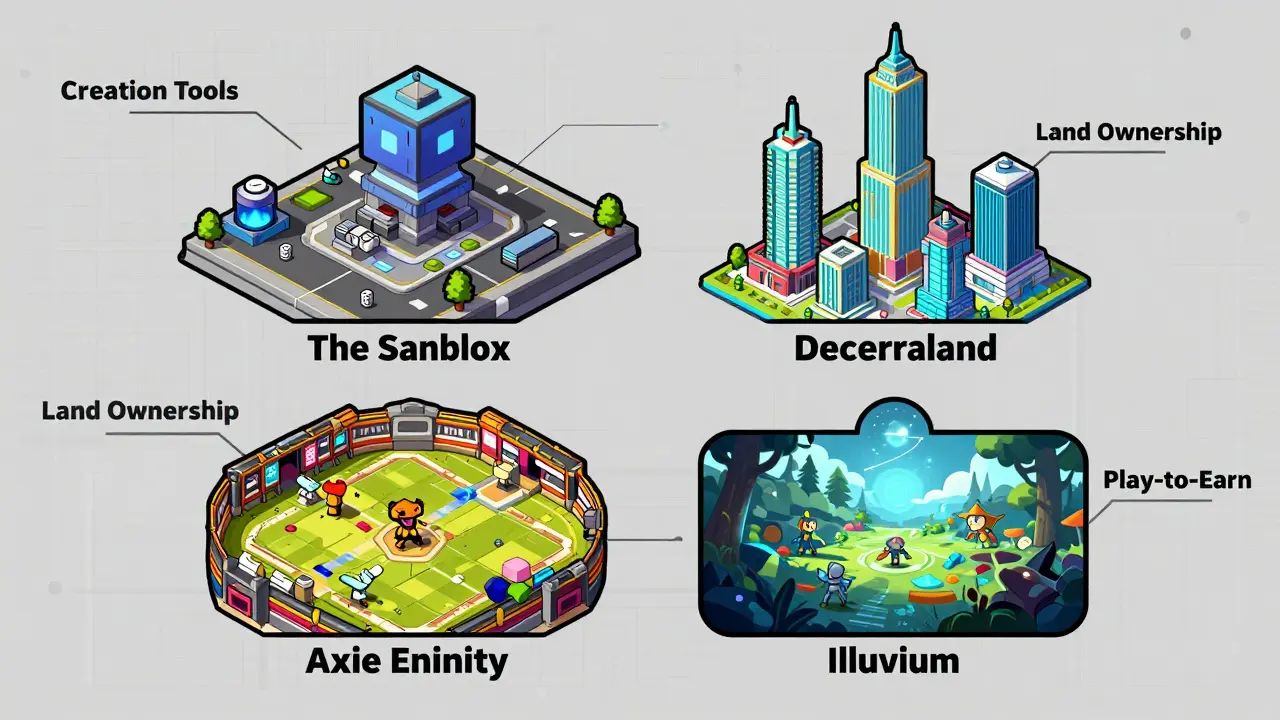
When discussing the backbone of the current metaverse ecosystem, two names consistently dominate the conversation: The Sandbox is a decentralized virtual world on Ethereum allowing users to create and monetize voxel-based experiences and Decentraland is a pioneering virtual reality platform where users own and develop virtual real estate parcels. These platforms have survived multiple market cycles by focusing on community tools and brand partnerships rather than just token price pumps.
The Sandbox, operating since 2018, has solidified its position by offering robust creation tools. Users don't just buy assets; they build them. The platform provides VoxEdit for creating 3D voxel assets, Game Maker for designing interactive experiences without coding, and a marketplace for trading these creations. The economic engine runs on the SAND token, which is used for transactions, staking, and governance. A significant boost came from securing high-profile partnerships with brands like Atari, CryptoKitties, and even Snoop Dogg. More importantly, technical upgrades such as staking capabilities on the Polygon network have enabled zero-fee transactions, making daily interactions smoother and more accessible for average users.
Decentraland, on the other hand, remains the king of virtual real estate. It allows users to purchase land parcels using MANA cryptocurrency, develop them into galleries, casinos, or commercial spaces, and rent them out. While it lacks the extensive game-building tools of The Sandbox, its strength lies in hosting large-scale events. From fashion shows by major luxury brands to political conferences, Decentraland serves as a stage for mainstream adoption. The platform’s economy is driven by scarcity-there is a finite amount of land, which maintains its value proposition for long-term holders and developers.
| Platform | Primary Focus | Key Token | Main Utility |
|---|---|---|---|
| The Sandbox | User-generated content & Gaming | SAND | Creation tools, Staking, Governance |
| Decentraland | Virtual Real Estate & Events | MANA | Land ownership, Development, Renting |
| Axie Infinity | Play-to-Earn Gaming | AXS | Battles, Breeding, Scholarship |
| Illuvium | AAA RPG Experience | ILV | High-fidelity gaming, NFT Collecting |
Gaming Economies: Axie Infinity and Illuvium
Gaming remains the primary entry point for most users into the metaverse. Two projects stand out for different reasons: Axie Infinity is a play-to-earn game featuring collectible creatures called Axies that battle for cryptocurrency rewards and Illuvium is an open-world RPG adventure game built on Ethereum with AAA production values.
Axie Infinity revolutionized the concept of "play-to-earn" by proving that gamers could earn meaningful income through strategic gameplay. Despite facing security challenges and market volatility in previous years, it has maintained a loyal player base. The model relies on breeding and battling Axies, which are non-fungible tokens (NFTs). The AXS token governs the ecosystem, while players earn Smooth Love Potion (SLP) through gameplay. Its resilience demonstrates that if the core loop is fun and the economy is balanced, players will stay.
In contrast, Illuvium targets the traditional gamer who was previously skeptical of blockchain mechanics. It focuses on delivering a premium, high-graphic experience comparable to mainstream titles like World of Warcraft or Final Fantasy. By integrating NFT collecting seamlessly into an immersive role-playing game, Illuvium aims to bridge the gap between crypto enthusiasts and casual gamers. The ILV token supports the game's treasury and rewards active participants, but the emphasis is clearly on gameplay quality first, economics second.
Infrastructure and AI: MetaHero and Virtuals Protocol
Not all metaverse projects are games or virtual worlds. Some focus on the underlying infrastructure that makes the metaverse possible. MetaHero is a project enabling users to scan their bodies into detailed 3D avatars for cross-platform use addresses a critical pain point: identity fragmentation. Currently, you might have one avatar in Roblox, another in Fortnite, and none in a blockchain game. MetaHero uses advanced 3D scanning technology to create a single, highly detailed avatar that can operate across multiple platforms. This interoperability is essential for a true metaverse where your digital identity follows you everywhere.
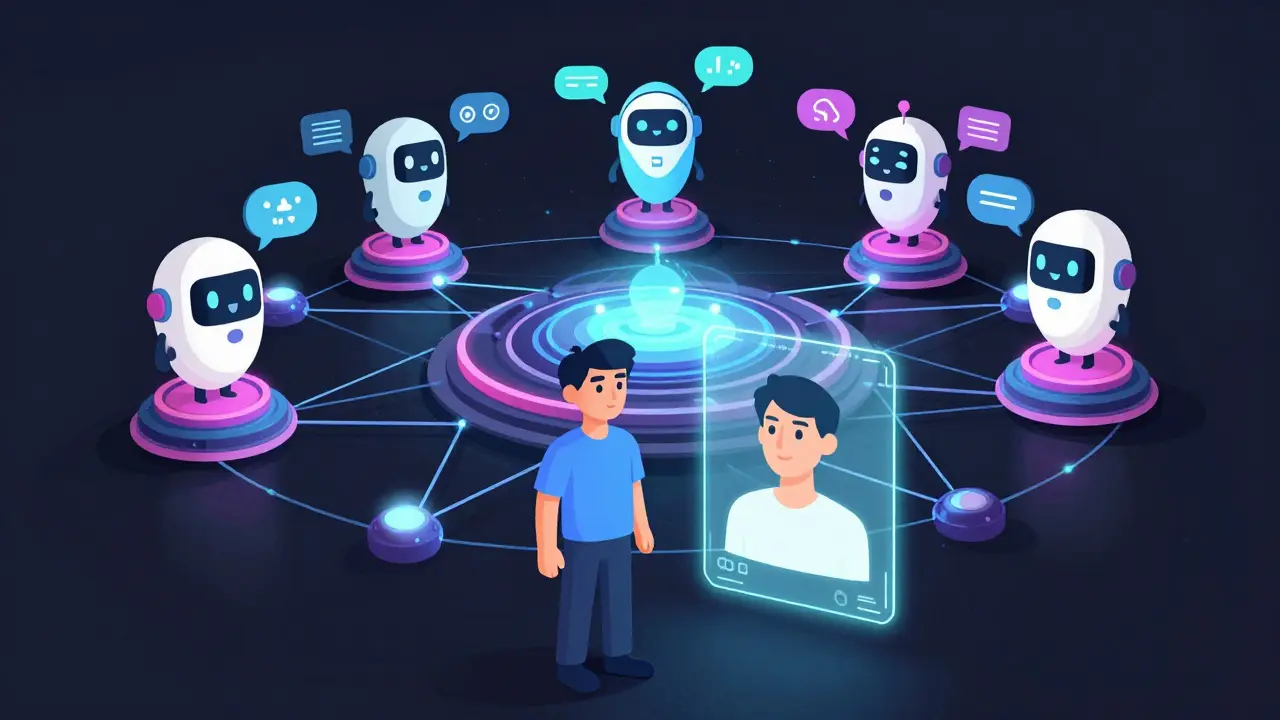
Then there is the integration of artificial intelligence. Virtuals Protocol is a platform for creating, tokenizing, and monetizing AI agents on blockchain networks represents the next frontier. Imagine NPCs (non-player characters) in games that aren't scripted but are autonomous AI agents owned by the community. Virtuals Protocol allows users to create these AI agents, tokenize them as assets, and generate revenue from their interactions. This shifts the metaverse from static environments to dynamic, responsive worlds powered by AI.
Niche Ecosystems: Floki Inu, Derby Stars, and VulcanVerse
The diversity of the metaverse is evident in niche projects that cater to specific interests. Floki Inu is a meme coin ecosystem that expanded into Valhalla, a play-to-earn Viking-themed metaverse game demonstrates how meme coins can evolve into utility-driven projects. With the launch of Valhalla, Floki Inu offers a full gaming ecosystem where players earn FLOKI tokens through battles and activities. This transition from pure speculation to practical application is a trend to watch.
For sports fans, Derby Stars is a horse racing metaverse built on Polygon with a dual-token economic model brings the thrill of racing to the blockchain. Built on Polygon for fast, low-cost transactions, it uses RUN tokens for governance and CRT tokens for training rewards. The focus here is on accessibility and user-friendly onboarding, aiming to attract traditional horse racing enthusiasts.
Similarly, VulcanVerse is an open-world MMORPG within the Vulcan Forged ecosystem featuring storylines by fantasy creators combines narrative depth with blockchain ownership. Players own in-game assets as NFTs and can create new quests. The dual-token economy (PYR and LAVA) rewards participation, while the broader Vulcan Forged ecosystem includes art platforms and other games, creating a cohesive universe.
Challenges and Future Outlook
Despite the progress, significant hurdles remain. Scalability is still a concern for many blockchains, leading to occasional lag or high fees during peak usage. User experience must improve further to onboard non-crypto natives seamlessly. Regulatory uncertainty also looms, particularly regarding the classification of tokens and virtual assets.
However, the trajectory is clear. The integration of AI, improved graphics, and cross-platform interoperability will define the next phase. Projects that balance technological innovation with practical utility will thrive. As we move forward, expect consolidation around platforms that offer genuine value beyond speculation. The metaverse is no longer a distant dream; it is a evolving reality shaped by these major projects.
What is the best metaverse project for beginners in 2025?
For beginners, The Sandbox is often recommended due to its user-friendly creation tools and established community. It allows new users to start creating simple assets without needing coding knowledge. Additionally, its partnerships with well-known brands provide a familiar entry point.
How do I make money in the metaverse?
There are several ways to earn in the metaverse. You can participate in play-to-earn games like Axie Infinity or Illuvium, where you earn tokens through gameplay. Alternatively, you can create and sell digital assets (NFTs) on platforms like The Sandbox or Decentraland. Another method is renting out virtual real estate in Decentraland to event organizers or businesses.
Is investing in metaverse tokens risky?
Yes, investing in metaverse tokens carries significant risk. The sector is volatile, and many projects may fail to achieve mainstream adoption. Prices can fluctuate wildly based on market sentiment and technological developments. It is crucial to conduct thorough research, understand the project's utility, and only invest what you can afford to lose.
What role does AI play in the modern metaverse?
AI is transforming the metaverse by enabling dynamic, intelligent interactions. Projects like Virtuals Protocol allow users to create autonomous AI agents that can interact with users and other agents. This leads to more realistic NPCs in games, personalized customer service in virtual stores, and adaptive environments that respond to user behavior in real-time.
Can I use my avatar across different metaverse platforms?
Currently, interoperability is limited, but projects like MetaHero are working to change this. MetaHero allows users to scan their bodies into 3D avatars that can potentially be used across multiple platforms. However, widespread standardization is still in development, so most users currently maintain separate avatars for each platform.
 Finance