

Blockchain Energy Trading
When working with blockchain energy trading, the use of distributed ledger technology to enable direct buying, selling, or sharing of electricity between producers and consumers. Also known as decentralized energy markets, it blockchain energy trading opens the door to a new kind of power exchange. One of the first concepts you’ll encounter is peer‑to‑peer energy markets, platforms where households trade excess solar or wind output without a traditional utility intermediary. This shift rewrites how electricity moves, making every rooftop a potential mini‑grid.
Why blockchain matters for energy trading
The engine behind the change is smart contracts, self‑executing code on a blockchain that enforces the terms of a trade automatically. They remove paperwork, lower transaction costs, and guarantee that once a kilowatt‑hour is transferred, payment follows instantly. In other words, blockchain energy trading leverages smart contracts to automate settlements, a clear semantic triple: "Smart contracts automate transaction settlements in blockchain energy trading." This automation also supports real‑time pricing, letting supply and demand find balance minute by minute.
Another key piece is renewable energy certificates, digital tokens that prove a specific amount of clean energy was generated. By tokenizing these certificates on a blockchain, the system gains traceability and prevents double‑counting. The result is a transparent ledger where anyone can verify the origin of the power they buy – a direct semantic link: "Tokenized renewable energy certificates improve transparency for blockchain energy trading." This visibility builds trust, encouraging more participants to join the market.
Beyond the technology, the physical grid itself is evolving. Decentralized grids combine local generation, storage, and demand response into a flexible network. When blockchain coordination overlays this infrastructure, grid operators can access granular data without compromising privacy. The interplay creates a feedback loop: the blockchain records transactions, the grid adjusts flows, and new data feeds back into the ledger, tightening efficiency.
What does this mean for everyday users? First, costs can drop because middlemen disappear and settlement fees shrink. Second, participants gain real‑time insight into where their power comes from, allowing them to choose greener options on the fly. Third, the market becomes more resilient; if one node fails, the ledger still holds the transaction history, and alternate routes can be quickly activated.
Challenges remain, though. Regulatory frameworks often lag behind innovation, so compliance can be a moving target. Scalability is another issue—public blockchains must handle thousands of trades per second to match grid speed. Solutions like layer‑2 rollups, permissioned ledgers, and hybrid models are already being tested to bridge this gap.
Below you’ll find a curated set of articles that dive deeper into each of these aspects. From detailed guides on tokenizing energy certificates to reviews of platforms that enable peer‑to‑peer trading, the collection offers practical tips, real‑world examples, and the latest regulatory updates. Keep reading to see how blockchain energy trading is reshaping the power landscape today.
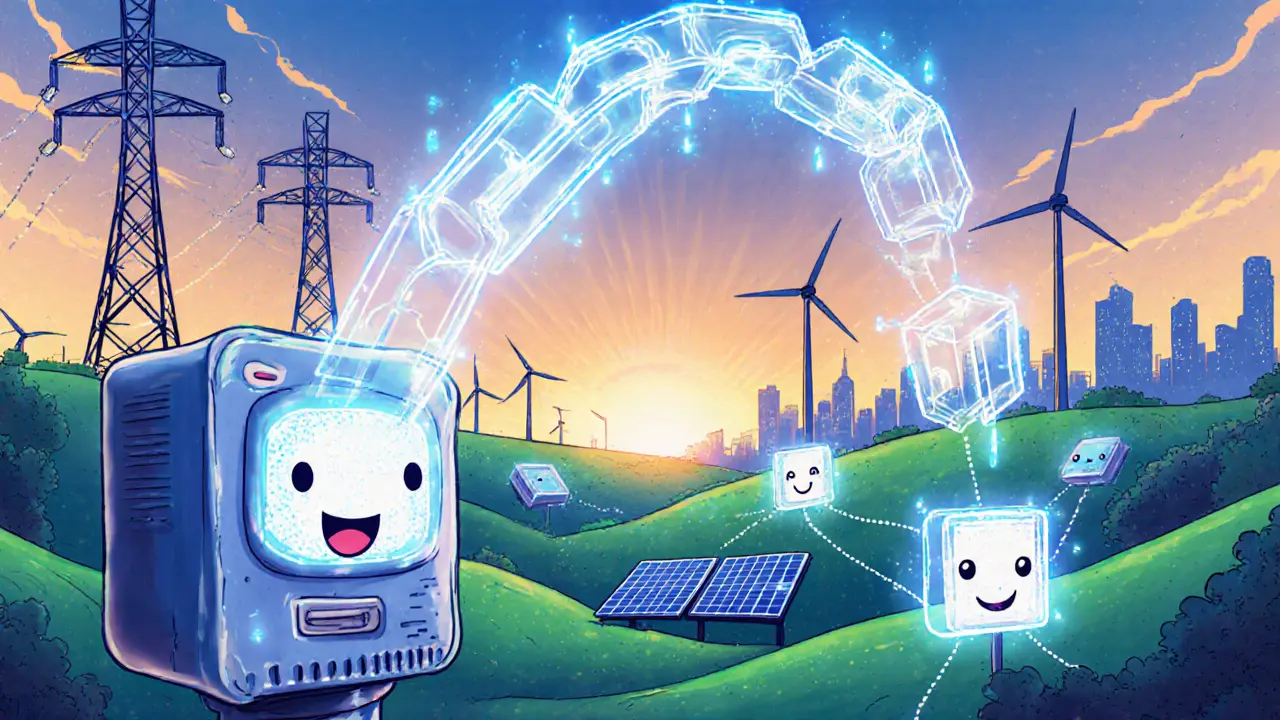
Explore how blockchain revolutionizes energy data management, offering transparent, secure, and cost‑effective solutions for utilities, prosumers, and regulators.
Categories
 Finance
Archives
Recent-posts
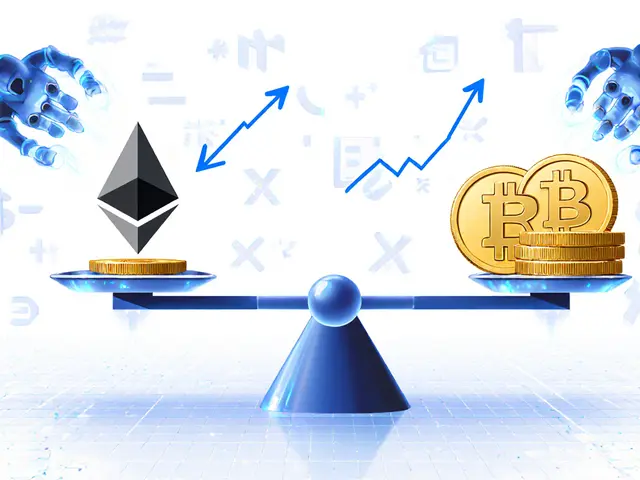
How to Calculate Impermanent Loss in DeFi Liquidity Pools
Nov, 1 2025
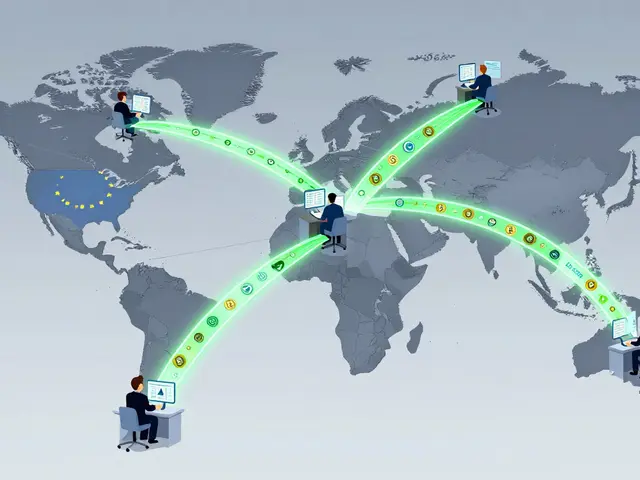
Automatic Exchange of Crypto Tax Information Between Countries: What You Need to Know in 2026
Jan, 2 2026
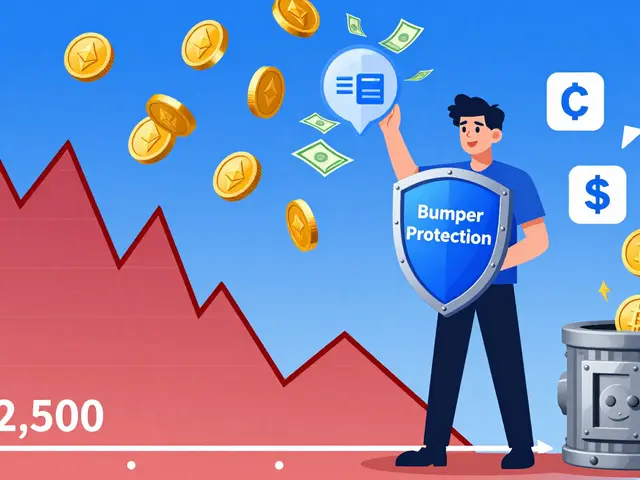
What is Bumper (BUMP) crypto coin? Understanding the price protection protocol and its current market status
Mar, 19 2026
P2P Crypto Trading in Bangladesh: How It Works Despite the Ban
Dec, 18 2025
How Blockchain Tokenizes Property Ownership: Fractional Real Estate Made Simple
Nov, 7 2025