

Bitcoin Tax Free Germany: What You Need to Know About Crypto Taxes in Germany
When it comes to Bitcoin, a decentralized digital currency that operates without a central bank or single administrator. Also known as BTC, it is treated uniquely in Germany compared to most other countries. Unlike the U.S. or UK, where every crypto trade is a taxable event, Germany lets you hold and use Bitcoin like cash—if you wait long enough. This is why many investors call Germany one of the most crypto-friendly places in Europe.
Here’s the simple rule: if you hold Bitcoin for more than one year before selling or spending it, you don’t pay any capital gains tax. That’s it. No reporting, no forms, no IRS-style audits. The German tax office sees it as private money, not an asset. But if you sell or trade it within a year, you’re taxed at your personal income rate, up to 45%. This one-year holding period is the key difference between tax-free and taxable. It’s not about how much you earn—it’s about how long you wait. Also, using Bitcoin to buy goods or services after a year is completely tax-free, which is why Germans use it for everything from buying coffee to paying rent.
Germany’s approach doesn’t just apply to Bitcoin. It covers all cryptocurrencies, as long as they’re held longer than a year. But here’s what trips people up: trading one crypto for another—even ETH for SOL—is considered a taxable sale if done within 12 months. And if you earn crypto from staking, mining, or airdrops, that’s taxable income the moment you receive it. So while holding Bitcoin long-term is tax-free, the path to getting there isn’t always simple. The German tax authority, Finanzamt, doesn’t care about your wallet balance—they care about transaction dates and timing.
Why does this matter? Because Germany’s rules make it a quiet haven for long-term crypto investors. While others chase short-term gains and fight tax bills, Germans can quietly accumulate Bitcoin, wait, and then spend it without ever paying a cent in tax. It’s not a loophole—it’s official law. The country even allows you to deduct losses from crypto trades within the one-year window, which helps balance out bad bets. And unlike places that demand full transaction histories, Germany doesn’t require you to track every single purchase unless you’re selling within the year.
So if you’re wondering whether Bitcoin is truly tax free in Germany, the answer is yes—but only if you play the long game. The real advantage isn’t just the tax break. It’s the freedom to treat crypto like money, not a stock. That’s why so many European investors choose to live here, or at least hold their crypto through German wallets. The system isn’t perfect, but for those who understand the timing, it’s one of the cleanest crypto tax frameworks in the world.
Below, you’ll find real reviews, breakdowns, and warnings from people who’ve navigated this system—whether they’re holding Bitcoin for years, trading on German exchanges, or trying to avoid common tax traps. No fluff. Just what works.
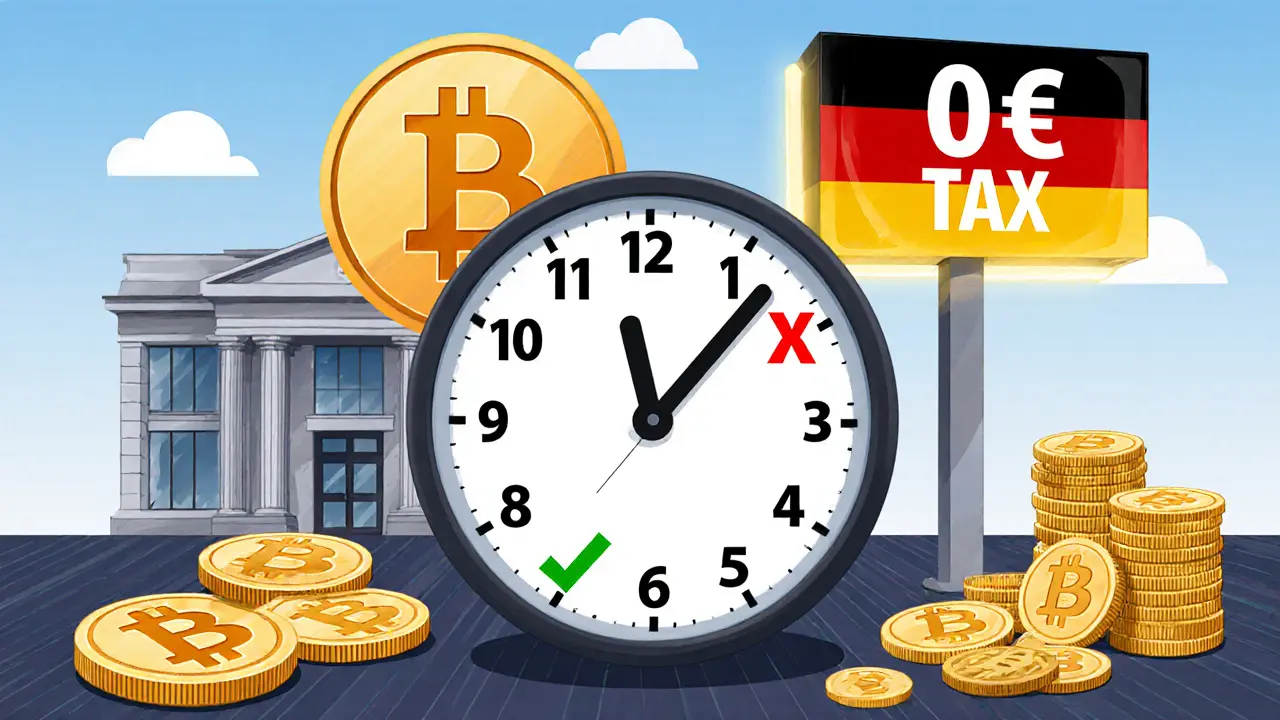
Germany offers a 12-month crypto tax exemption for Bitcoin and other digital assets, making it one of Europe’s most favorable tax environments for long-term holders. Learn how it works, who it benefits, and what risks remain.
Categories
 Finance
Archives
Recent-posts
Yeni Malatyaspor Token (YMS) Explained: What It Is, How It Works, and Risks
Oct, 13 2025

What is O Intelligence Coin (OI) Crypto Coin? The Single-Supply AI Token Explained
Dec, 6 2025

WMX Airdrop: Wombex Finance x CoinMarketCap New Year Celebration Campaign Details
Dec, 29 2025

Understanding Bitcoin Network Hash Rate: How Computational Power Secures the Blockchain
Dec, 22 2025

Bull Finance Airdrop Details: How to Claim Your BULL Tokens in 2025
Oct, 9 2025