

Algorithmic Stablecoin Guide – How They Work, Risks & Real‑World Examples
When working with algorithmic stablecoin, a cryptocurrency that tries to keep its price stable without traditional collateral by using code‑driven supply adjustments. Also known as algorithmic peg, it relies on smart contract rules to expand or contract token supply in response to market pressure. The broader class of stablecoin, any crypto designed to hold a stable value, usually pegged to a fiat currency includes both collateral‑backed and algorithmic types. While collateralized stablecoins lock assets like USD or Bitcoin, algorithmic ones depend on price oracles, on‑chain services that feed external market prices into smart contracts to trigger supply changes. In short, algorithmic stablecoin mechanisms encompass supply‑adjustment rules, rely on accurate oracle data, and use seigniorage incentives to keep the peg.
Key Building Blocks and How They Interact
First, the supply‑adjustment algorithm acts like a thermostat. When the token trades above its target price, the protocol mints new coins to push the price down; when it falls below, it burns or taxes tokens to pull the price back up. This is the classic seigniorage model, a system that rewards participants who help expand supply during up‑trends and penalizes them during down‑trends. The model creates a financial incentive for holders to buy low and sell high, indirectly stabilizing the peg. Second, reliable oracles are the eyes of the system. They feed real‑time market data so the contract knows when to act. If the oracle is delayed or manipulated, the whole mechanism can misfire, leading to runaway inflation or a sudden collapse. Many projects combine multiple decentralized oracle networks to reduce single‑point failures. Third, governance layers often sit on top. Token holders may vote on parameters like expansion rates, fee structures, or oracle providers. This adds a human‑in‑the‑loop safety net, but also introduces political risk if the community disagrees. Together, these components form a feedback loop: price data triggers algorithmic actions, which alter supply, which then influences price again. That loop is the core of any DeFi peg, a decentralized finance solution that tries to maintain a stable value without a central authority.
Understanding the loop helps you spot where things can go wrong. For example, a sudden market shock can overwhelm the algorithm’s capacity to adjust supply quickly enough, especially if the oracle feed stalls. In that scenario, the token may diverge sharply from its target, prompting a crisis of confidence. Conversely, a well‑designed seigniorage system can absorb shocks by rewarding users who help rebalance supply, turning volatility into a growth opportunity. Another risk is regulatory scrutiny. Because algorithmic stablecoins lack traditional collateral, some regulators view them as securities or unstable financial instruments. Projects that ignore compliance may face bans or forced shutdowns, affecting investors and developers alike. Finally, ecosystem integration matters. If the token is widely used in lending platforms, payment apps, or cross‑chain bridges, its stability—or lack thereof—has ripple effects across the broader crypto market.
Below you’ll find a curated list of articles that dive deeper into each of these topics. From step‑by‑step guides on how to verify supply‑adjustment contracts, to analyses of recent algorithmic stablecoin failures, the collection gives you practical tools to evaluate, use, or build these tokens. Whether you’re a trader looking for risk signals, a developer interested in designing a new peg, or just curious about how code can replace collateral, the posts that follow will give you concrete insights and actionable advice.
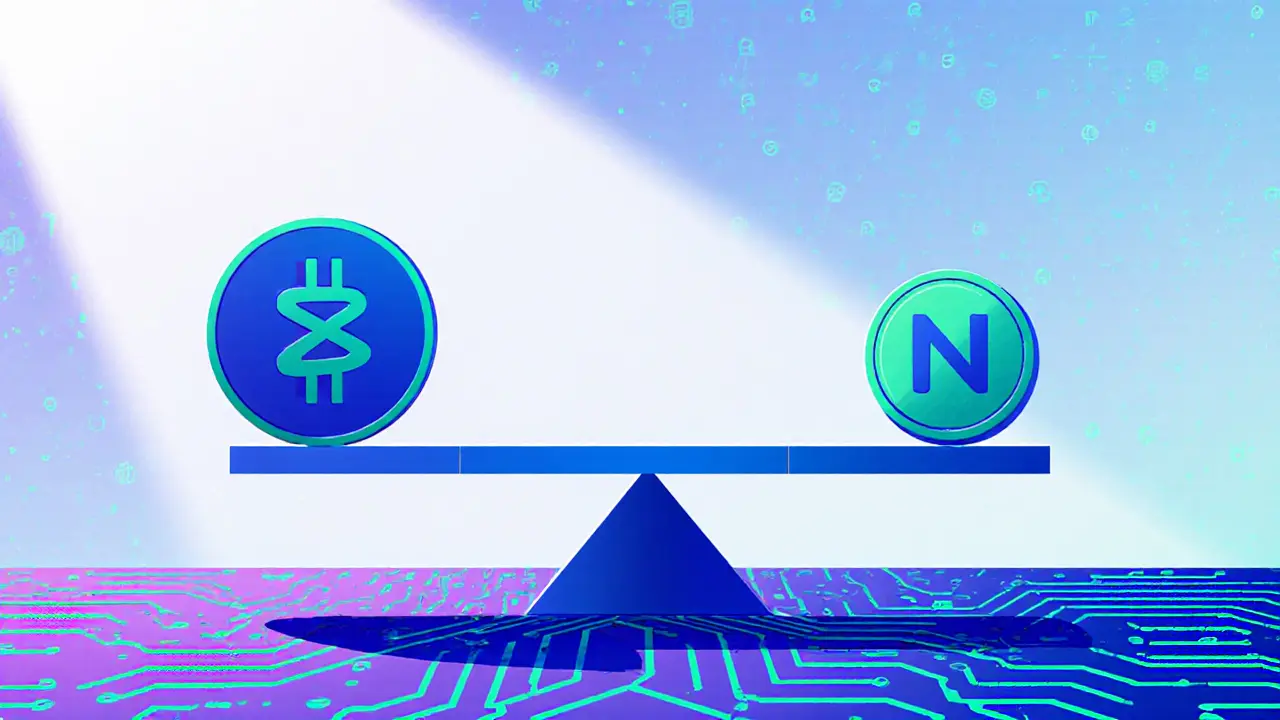
A concise look at Nirvana ANA (ANA) crypto coin, covering its twin‑token design, Solana tech, market data, risks, and how it stacks up against other algorithmic stablecoins.
Categories
 Finance
Archives
Recent-posts
VirgoCX Crypto Exchange Review: Best for Canadian Beginners?
Mar, 16 2026

Inside ElSalvador’s Chivo Wallet: Bitcoin Adoption, Challenges, and What Comes Next
Aug, 10 2025

WorldShards (SHARDS) Airdrop 2025: How It Worked and What Happened After
Jan, 29 2026
Brazilian Cryptocurrency Tax Rate: How 17.5% Capital Gains Tax Works in 2026
Jan, 11 2026

Zero Tax on Long-Term Crypto Holdings in Germany: How the 1‑Year Rule Works
Mar, 10 2025