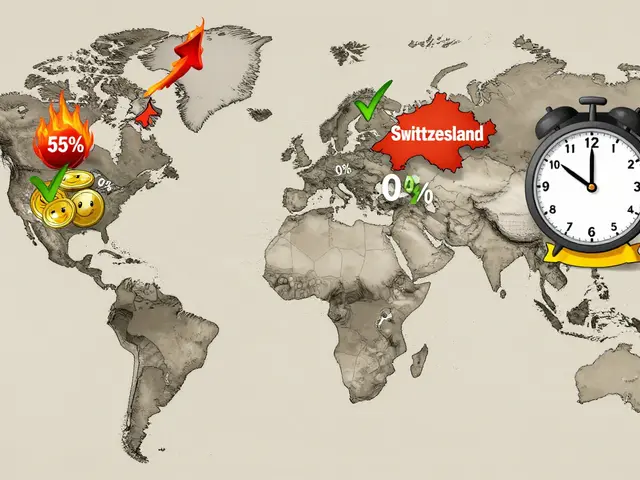

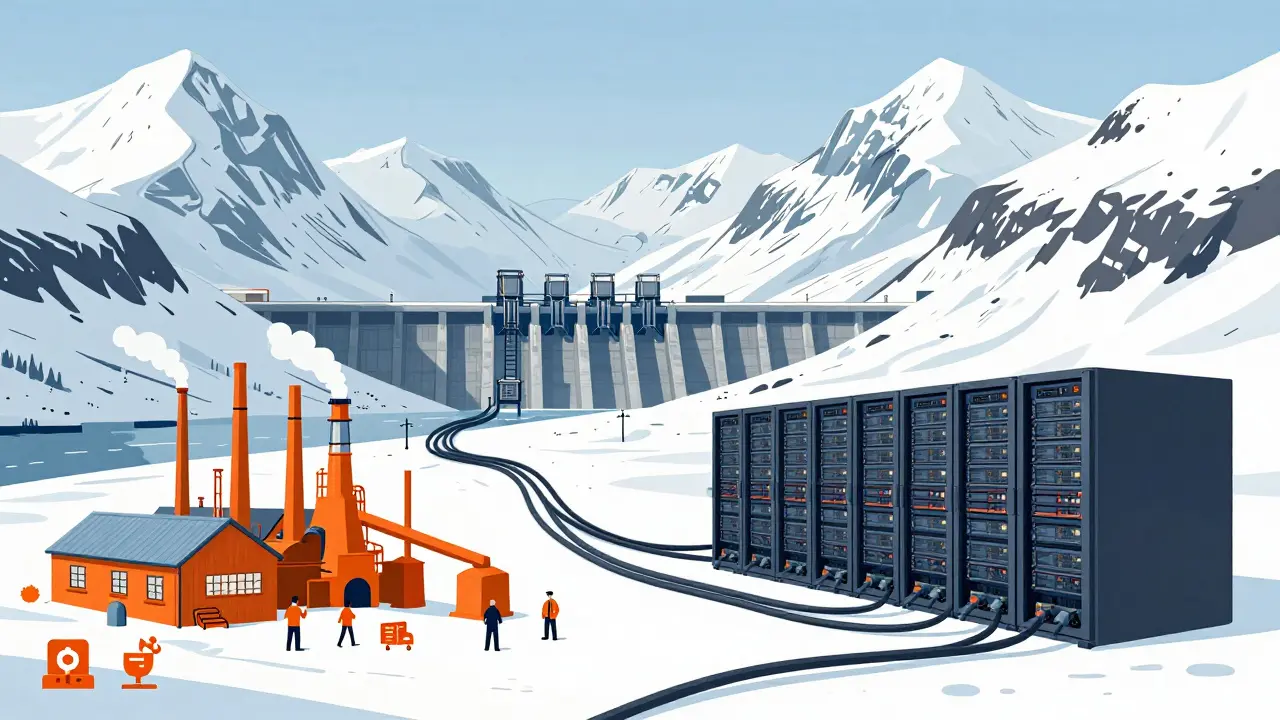
Imagine having access to some of the cleanest, cheapest electricity in the world. For years, that was exactly what attracted Cryptocurrency miners are operators who use specialized hardware to validate blockchain transactions and earn digital currency rewards. to Norway. But now, the tide is turning. The Norwegian government has announced a hard stop on new crypto mining data centers. This isn't just a minor tweak to regulations; it’s a fundamental shift in how the country views its most valuable resource: energy.
If you are following the global crypto landscape, this move sends a massive signal. It suggests that even nations with abundant renewable power will not sacrifice local economic stability for the sake of global digital currency networks. Here is everything you need to know about why Norway is pulling the plug on new mining operations, what it means for the industry, and where things stand as we move through 2026.
The Core Problem: Energy vs. Economic Value
To understand why Norway is taking this drastic step, you have to look at the math behind their energy grid. Norway generates roughly 98% of its electricity from hydropower. That sounds like an endless supply, right? Not quite. During winter, when water levels drop and demand spikes, the grid gets tight.
Karianne Tung is the Minister for Digitalization and Public Administration in Norway's Labour Party government. made the situation clear back in June 2025. She stated that the government intends to limit cryptocurrency mining "as much as possible." Her reasoning wasn't based on moral objections to Bitcoin or Ethereum. It was purely practical. The government concluded that crypto mining is incredibly power-intensive but generates very little in terms of jobs or income for local communities.
Think about it this way. A large aluminum smelter uses a lot of electricity, but it also employs hundreds of locals, buys raw materials, and pays significant taxes that stay in the region. A crypto mining farm, by contrast, can run with minimal staff-often just a few technicians-and sends its profits overseas. When you have limited electricity during peak winter months, do you allocate it to a factory that feeds your community or a server rack that validates transactions for someone in another continent? Norway chose the former.
What the Proposed Ban Actually Covers
It is crucial to get the details right because there is a lot of confusion online. The proposed legislation does not ban owning crypto. You can still buy, sell, and hold Bitcoin in Norway. It doesn’t even shut down every existing mine immediately. Instead, the focus is on new establishments.
Here is what the regulation targets:
- New Data Centers: Any proposal to build a new facility dedicated primarily to cryptocurrency mining faces a likely rejection under the new guidelines.
- Energy Allocation: The government is using its authority under the Planning and Building Act to prioritize energy distribution. They are essentially saying, "We will not grant new power connections for crypto mining if that power could serve other industries."
- Registration Requirements: Before the ban fully took shape, the government introduced strict registration rules for all data centers. This was done to gather accurate data on how much energy these operations were actually consuming. You can't manage what you don't measure, and Norway wanted the full picture before tightening the screws.
The temporary nature of the ban is also worth noting. Officials described it as a provisional measure. This allows them to reassess later if technology changes-for example, if mining becomes significantly more energy-efficient or if miners start contributing more directly to the local grid infrastructure. But for now, the door is closed for new entrants.
| Country | Action Taken | Primary Reason | Scope |
|---|---|---|---|
| Norway is a Nordic country known for high hydroelectric power production. | Temporary ban on new facilities | Local economic benefit & energy conservation | New installations only |
| China is a major global economy that previously hosted significant crypto mining. | Complete prohibition | Financial stability & environmental goals | All mining activities |
| Russia is a nation with vast energy resources facing grid instability. | Ban in 10 regions (Jan 2025) | Preventing blackouts | Regional specific |
| New York State is a US state with strict environmental regulations. | Two-year moratorium | Carbon emissions reduction | Fossil-fuel powered mines |

Why Now? The Geopolitical Context
You might wonder why this happened in 2025 specifically. Wasn't crypto mining always energy-hungry? Yes, but the context changed dramatically due to broader European energy concerns. Russia’s war with Ukraine and subsequent sanctions created ripple effects across the entire region’s oil and gas supply chains.
While Norway produces its own hydroelectricity, it is part of a larger interconnected European grid. When energy prices spiked globally, Norwegian residents felt the pinch. Electricity costs rose sharply for households and small businesses. In that environment, seeing massive warehouses filled with ASIC miners consuming megawatts of power while families struggled to heat their homes created a political pressure cooker.
The government couldn't ignore the public sentiment. The narrative shifted from "crypto is innovative" to "crypto is hoarding our resources." This aligns with actions taken by other jurisdictions. For instance, Kosovo banned crypto mining in early 2022 after rolling blackouts threatened their national grid. Similarly, Russia imposed bans in January 2025 across ten regions to prevent similar outages. Norway’s move is part of this global trend where energy security trumps speculative financial technologies.
Impact on the Crypto Industry
For the cryptocurrency industry, Norway’s decision is a setback, but perhaps not a fatal one. The sector is highly mobile. Miners are used to moving. When China cracked down in 2021, many operations relocated to the United States, Kazakhstan, and yes, initially to Scandinavia. Now that the Scandinavian door is closing, they will look elsewhere.
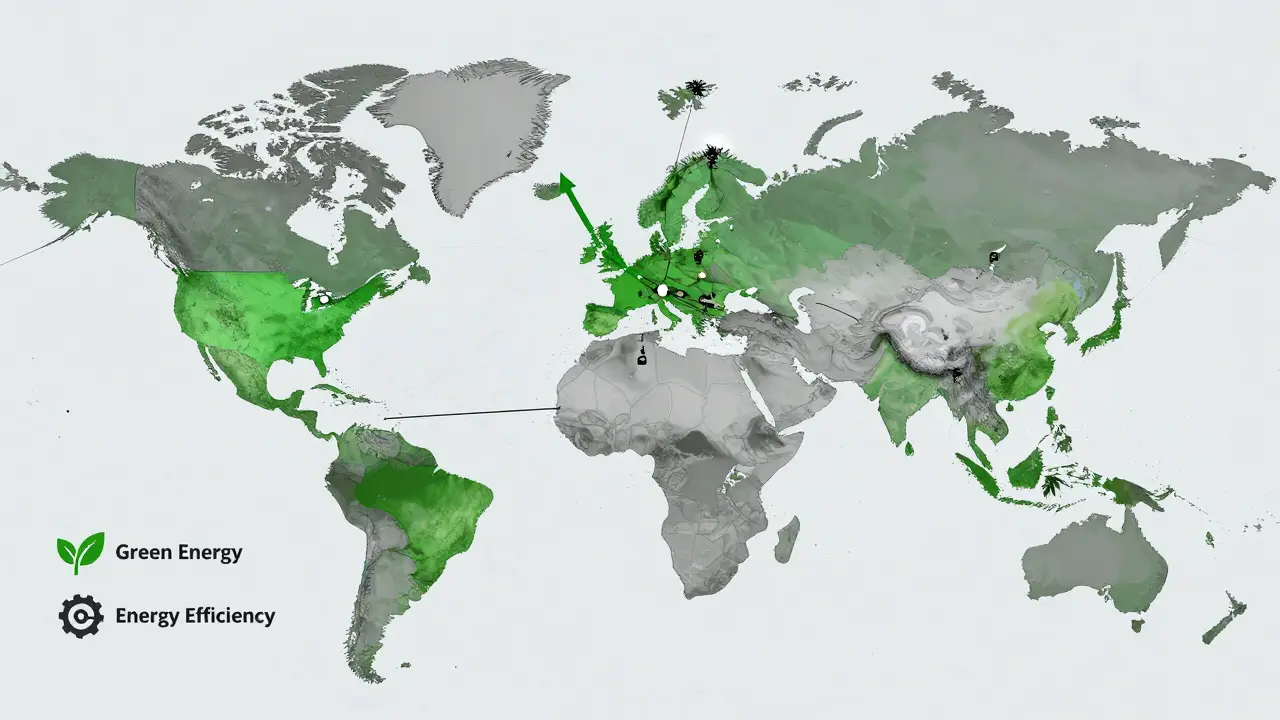
However, Norway holds a unique position. Its selling point wasn't just cheap power; it was clean power. Many corporations want to mine crypto using green energy to improve their ESG (Environmental, Social, and Governance) profiles. With Norway stepping back, Iceland and parts of Canada might see an influx of interest. But those countries are watching Norway closely. If Norway sets a precedent that renewable energy should be reserved for local industrial development rather than global crypto networks, other green-energy-rich nations may follow suit.
Industry observers note that this forces miners to innovate. If they can't rely on unrestricted access to cheap hydro power, they must either:
- Become drastically more energy-efficient through better hardware.
- Integrate more deeply into local grids, perhaps by offering backup power services during off-peak hours.
- Migrate to regions with less stringent regulatory oversight, which often come with higher carbon footprints.
This creates a dichotomy. The "green" image of crypto mining takes a hit as operations move to dirtier energy sources elsewhere, while the "local benefit" argument gains traction among policymakers worldwide.
What Does This Mean for Existing Miners?
If you are already running a mining operation in Norway, breathe easy-for now. The proposed ban specifically targets new facilities. Existing operations are generally allowed to continue, provided they comply with current tax laws and anti-money laundering regulations. However, the government has signaled that they are keeping a close eye on total consumption.
There is a possibility that future phases of the regulation could impose stricter caps on existing players if the overall load on the grid becomes unsustainable. The registration requirement mentioned earlier is key here. By forcing all data centers to register, the government has built a database that allows them to monitor usage in real-time. If a specific region starts showing signs of strain, they could theoretically restrict expansion or even renegotiate power contracts with existing miners.
Furthermore, the tax implications remain unchanged. Gains from crypto are subject to taxation in Norway, and exchanges must follow strict KYC (Know Your Customer) protocols. The ban on mining doesn't change the legal status of the assets themselves, but it does make the operational side of the business much harder to scale within the country.
Looking Ahead: Will the Ban Stay?
The label "temporary" is doing a lot of heavy lifting in the government's announcement. As of mid-2026, the ban remains in effect for new constructions. The government has not yet announced a date for lifting it. The decision to extend or revoke the ban will likely depend on two factors:
1. Technological Efficiency: If mining hardware becomes so efficient that it no longer competes with residential and industrial users for power, the political pressure might ease.
2. Economic Contribution Models: If miners can prove they are adding tangible value to the local economy-perhaps by investing in grid stabilization or local job creation-the narrative might shift again. Currently, however, the consensus among officials is that the opportunity cost is too high.
Minister Tung’s statement that it is "uncertain how big a problem crypto mining will become" suggests a cautious, watchful approach. They aren't burning bridges entirely, but they are firmly holding the gate shut for now. For investors and operators, the message is clear: Norway is no longer the wildcard destination for easy, green power. You’ll need to look elsewhere or rethink your strategy completely.
Is cryptocurrency illegal in Norway?
No, cryptocurrency itself is not illegal in Norway. You can legally buy, sell, and hold digital assets like Bitcoin and Ethereum. The ban specifically applies to the establishment of new cryptocurrency mining data centers, not the ownership or trading of the currencies themselves.
Why did Norway ban new crypto mining farms?
The primary reason is energy allocation. The Norwegian government determined that crypto mining consumes vast amounts of electricity while providing minimal economic benefit to local communities, such as jobs or tax revenue. They want to reserve their abundant hydroelectric power for industries that support the local economy and ensure stable energy supply for residents, especially during winter peaks.
Will existing crypto miners in Norway be shut down?
Currently, no. The proposed ban focuses on preventing the construction of new mining facilities. Existing operations are generally allowed to continue operating, provided they adhere to current regulations, pay their taxes, and comply with anti-money laundering laws. However, the government retains the ability to review and potentially adjust policies if grid stability becomes compromised.
When did the Norway crypto mining ban take effect?
The intention to implement the ban was announced in June 2025, with enforcement expected to begin in autumn 2025. As of mid-2026, the restriction on new data center establishments remains active. The government describes the measure as temporary, allowing for future reassessment based on technological changes or economic impacts.
How does Norway's ban compare to other countries?
Unlike China, which implemented a complete ban on all crypto mining, or Russia, which banned it in specific regions to prevent blackouts, Norway's approach is targeted. It focuses solely on new installations and emphasizes redirecting renewable energy to locally beneficial industries. This differs from New York's moratorium, which was based on carbon emissions, whereas Norway's concern is primarily about local economic opportunity costs despite using clean energy.
 Finance