
You clicked on "Manta Exchange" expecting to find a platform where you can buy Bitcoin or swap tokens. But here is the plot twist: Manta Network is not an exchange at all. It is a privacy-focused blockchain infrastructure project built on zero-knowledge (ZK) technology. Confusing it with a trading venue like Binance or Coinbase is a common mistake that leads to frustration for many new investors. If you are looking for a place to trade, you might be in the wrong place. But if you are curious about the tech behind private DeFi applications, you are exactly where you need to be.
This article clears up the confusion, explains what Manta Network actually does, and breaks down the MANTA token’s current state. We will look at its architecture, staking mechanics, and why it matters in the broader crypto landscape. By the end, you will know whether this project fits your portfolio or if you should keep looking for a standard exchange.
Key Takeaways
- Manta Network is a Layer 1 and Layer 2 blockchain ecosystem, not a centralized exchange (CEX).
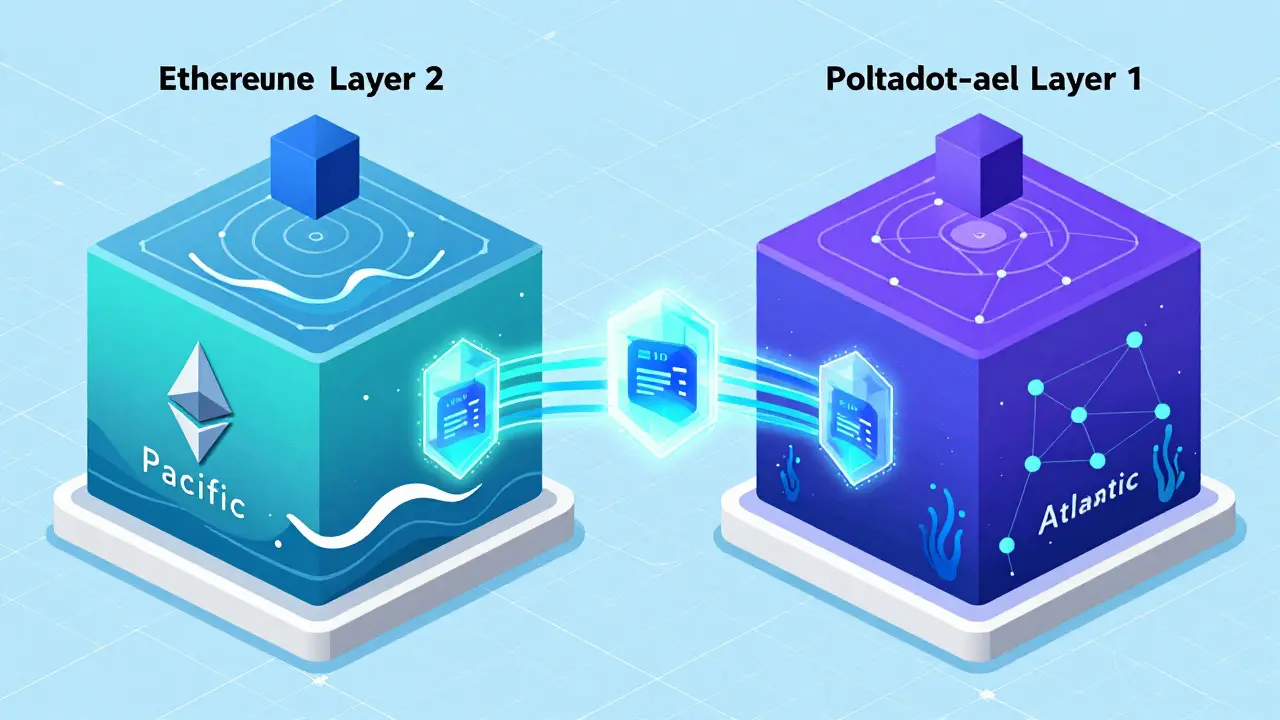
- The network consists of two main parts: Manta Pacific (Ethereum L2) and Manta Atlantic (Polkadot-based L1).
- The native token, MANTA, is used for gas fees, governance, and staking, not just as a tradable asset.
- It focuses on privacy-preserving DeFi using ZK-rollups, distinguishing it from pure privacy coins like Monero.
- Current market data shows high volatility, with prices fluctuating significantly based on broader crypto market trends.
What Actually Is Manta Network?
To understand Manta, you have to stop thinking about order books and bid-ask spreads. Instead, think of it as the plumbing under the floorboards of the decentralized finance world. Founded in 2020 by Shumo Chu, William Xia, and Sue Zhang, the project launched its mainnet in May 2022. Its core mission is simple but technically complex: bring zero-knowledge proofs to the masses without sacrificing regulatory compliance.
Unlike traditional exchanges that act as middlemen, Manta provides the infrastructure for applications to run privately and efficiently. It operates as a modular blockchain ecosystem. This means it handles specific tasks-like proving computations happened correctly without revealing the data-while other layers handle execution or data availability. The result is a system where users can transact with greater privacy than on Ethereum mainnet, but with less overhead than building a standalone chain.
The distinction is crucial. If you go to a site called "Manta Exchange," you are likely looking at a third-party aggregator or a mislabeled page. The official entity is the Manta Network protocol. It doesn't hold your funds; smart contracts do. It doesn't set prices; the open market does. It just ensures that when a private transaction happens, the math checks out.
Architecture: Pacific vs. Atlantic
Manta Network isn't one single chain; it's a dual-chain setup designed to cover different use cases. Understanding this split is key to grasping its utility.
- Manta Pacific: This is the Ethereum Layer 2 solution. It uses ZK-rollups to bundle transactions off-chain and post only the proof to Ethereum. This makes it EVM-compatible, meaning developers who know Solidity can build on it easily. It targets users who want Ethereum security with lower fees and added privacy features.
- Manta Atlantic: This is the ZK Layer 1 blockchain built on Polkadot. It acts as the sovereign base layer for the Manta ecosystem. While Pacific relies on Ethereum for finality, Atlantic aims to provide independent settlement and higher throughput for privacy-centric applications.
This dual approach allows Manta to tap into both the massive Ethereum developer community and the interoperability benefits of the Polkadot parachain model. It’s a strategic move to ensure the network isn't locked into one ecosystem’s fate.

The MANTA Token: Utility and Economics
If Manta isn't an exchange, what is the MANTA token for? It serves three primary functions: paying for network activity (gas), securing the network through staking, and governing the protocol's future upgrades.
As of late 2024, the circulating supply hovers around 457 million tokens, though earlier reports cited lower figures due to vesting schedules and tokenomic adjustments. The token has experienced significant price volatility. An all-time high was recorded at $4.08, but prices have since dropped to ranges between $0.11 and $0.26 depending on market conditions. This volatility reflects the broader crypto market's sentiment toward mid-cap infrastructure projects.
| Attribute | Value/Description |
|---|---|
| Network Type | ZK-Rollup (L2) and ZK-Layer 1 |
| Native Token | MANTA |
| Primary Use Case | Privacy-preserving DeFi and dApps |
| Staking Minimum | 500 MANTA (for delegation) |
| Key Partnerships | Chainlink, Polkadot, Acala Network |
| Active dApps | ~47 (as of Oct 2024) |
The staking mechanism is particularly interesting because it uses a non-slashing model. In many Proof-of-Stake networks, if a validator makes a mistake, they lose part of their stake. Manta avoids this penalty structure to encourage broader participation. Rewards are distributed every six hours, and users must maintain a position among the top delegators to continue earning. Currently, the annual percentage yield (APY) sits around 4.2%, which is modest compared to high-yield DeFi protocols but safer in terms of risk.
How It Compares to Other Projects
You might ask: Why not just use zkSync or StarkNet? Or why not stick with Monero for privacy? Manta occupies a unique niche. Pure privacy coins like Monero offer total anonymity, which makes them hard to regulate. Manta takes a different path by incorporating a decentralized identity layer. This allows users to prove they are compliant (e.g., KYC verified) without revealing their full financial history. It’s a middle ground aimed at institutional adoption while keeping retail user privacy intact.
Compared to standard exchanges like Binance, Manta doesn't compete directly. Binance is where you trade; Manta is where you build and transact privately. However, MANTA tokens are traded on major exchanges, including Binance and BitMart. User reviews on these platforms often reflect the performance of the trading pair rather than the underlying technology. For instance, Binance maintains a 4.2/5 star rating for its services, while BitMart scores 3.8/5, with some users citing liquidity issues for smaller pairs like MANTA.

Risks and Regulatory Landscape
No tech review is complete without addressing the risks. The biggest challenge for Manta Network is regulation. Privacy is a double-edged sword. While it protects users, it scares regulators. The European Union's MiCA regulations, effective January 2025, impose strict rules on crypto assets. Projects that obscure transaction details may face scrutiny. Manta's compliance-focused design is a direct response to this threat, but it remains a work in progress.
Technical risks also exist. The network is still maturing. Documentation quality has been rated 3.7/5 by developers, with complaints about incomplete API guides. The GitHub repository shows active maintenance with over 1,800 commits, but the learning curve for staking and collator selection is moderate. You need to pick reputable collators and ensure they stay within the top 70 to avoid reward suspension. It’s not plug-and-play.
Is Manta Worth Your Attention?
If you are a trader looking for quick flips, Manta might not be your first choice. The token's price action is tied to the broader ZK-rollup narrative and overall market health. Forecasts vary wildly, from bearish drops to $0.04 to bullish spikes above $20, making it a high-risk, high-reward play for speculative investors.
However, if you are a developer or a long-term holder interested in the future of private finance, Manta offers a compelling stack. The integration with Chainlink for oracle services and Acala for cross-chain liquidity adds real-world utility. With 47 active dApps and daily active users ranging from 8,200 to 12,500, there is tangible usage beyond just token speculation.
Before getting involved, check the latest roadmap updates. The Q3 2025 plan includes cross-chain privacy pools, and the Q4 2025 target is the full launch of Manta Atlantic. These milestones will determine if the network scales or stagnates. Keep an eye on the staking APY and the number of active contributors on GitHub as leading indicators of project health.
Frequently Asked Questions
Is Manta Network a centralized exchange?
No, Manta Network is not a centralized exchange. It is a decentralized blockchain infrastructure project focused on zero-knowledge rollups and privacy. You can trade MANTA tokens on centralized exchanges like Binance, but the network itself is a protocol, not a trading venue.
What is the difference between Manta Pacific and Manta Atlantic?
Manta Pacific is an Ethereum Layer 2 solution using ZK-rollups for low-cost, private transactions compatible with the EVM. Manta Atlantic is a separate Zero-Knowledge Layer 1 blockchain built on Polkadot, designed to serve as the sovereign base layer for the Manta ecosystem with higher independence.
How much MANTA do I need to start staking?
The minimum delegation requirement for staking on Manta Pacific is 500 MANTA tokens. You need to select a reputable collator and ensure you remain in the top delegator positions to continue earning rewards, which are distributed every six hours.
Is MANTA a privacy coin like Monero?
Not exactly. While Manta supports privacy features via ZK-proofs, it differs from Monero by incorporating a decentralized identity layer for regulatory compliance. This makes Manta more suitable for regulated environments, whereas Monero offers total anonymity without compliance hooks.
Where can I buy MANTA tokens?
MANTA is listed on several major cryptocurrency exchanges, including Binance, BitMart, and BakerySwap. Liquidity varies by platform, so it is advisable to check volume and spread before executing large trades to minimize slippage.
 Finance