
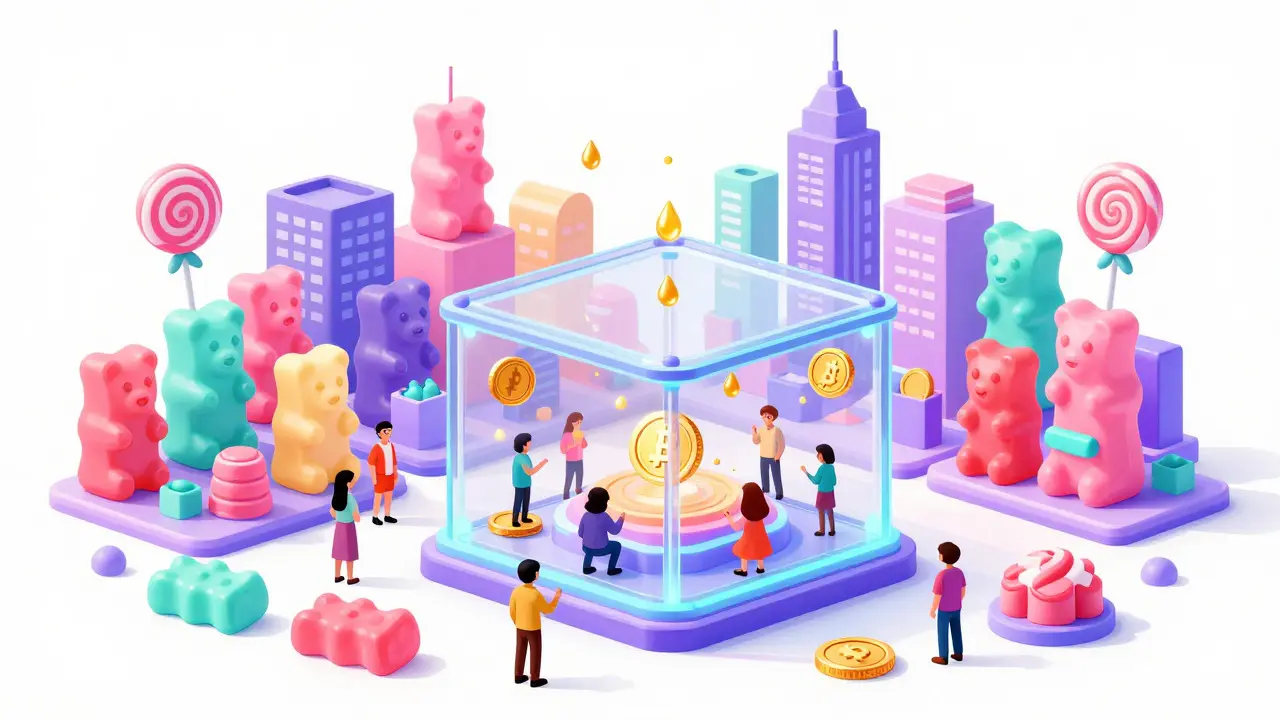
Imagine a crypto exchange that promises to give back every single cent of its fees to the community while letting you play candy-themed puzzle games. That is the pitch for Bored Candy City, a decentralized exchange (DEX) built on the Cronos Chain. The platform claims to be the first AMM on this network to redistribute 100% of collected fees, charging a mere 0.15% trading fee-half the industry standard. But does this low-cost, gamified DeFi project actually deliver value, or is it just another shiny wrapper around a struggling token? Let's break down the reality behind the marketing.
Key Takeaways
- Bored Candy City operates as a DEX and NFT marketplace on Cronos Chain with a unique 0.15% fee structure.
- The platform splits fees: 0.10% goes to liquidity providers, and 0.05% funds buybacks of the CANDY token.
- Market presence is extremely weak, with daily trading volumes often below $100 and frequent periods of no active trading.
- User reviews highlight serious operational issues, including missing in-game purchases and lack of customer support.
- While the tech stack uses proven tools like Uniswap V2, the execution gap between promise and reality is significant.
How Bored Candy City Works
At its core, Bored Candy City functions as an Automated Market Maker (AMM). If you are familiar with how Uniswap works, you will feel right at home here. The platform utilizes the Uniswap V2 architecture, which means price discovery happens through liquidity pools rather than order books. This simplifies the user experience but introduces slippage, which can be higher in illiquid markets-a risk you need to consider given the current state of the CANDY token.
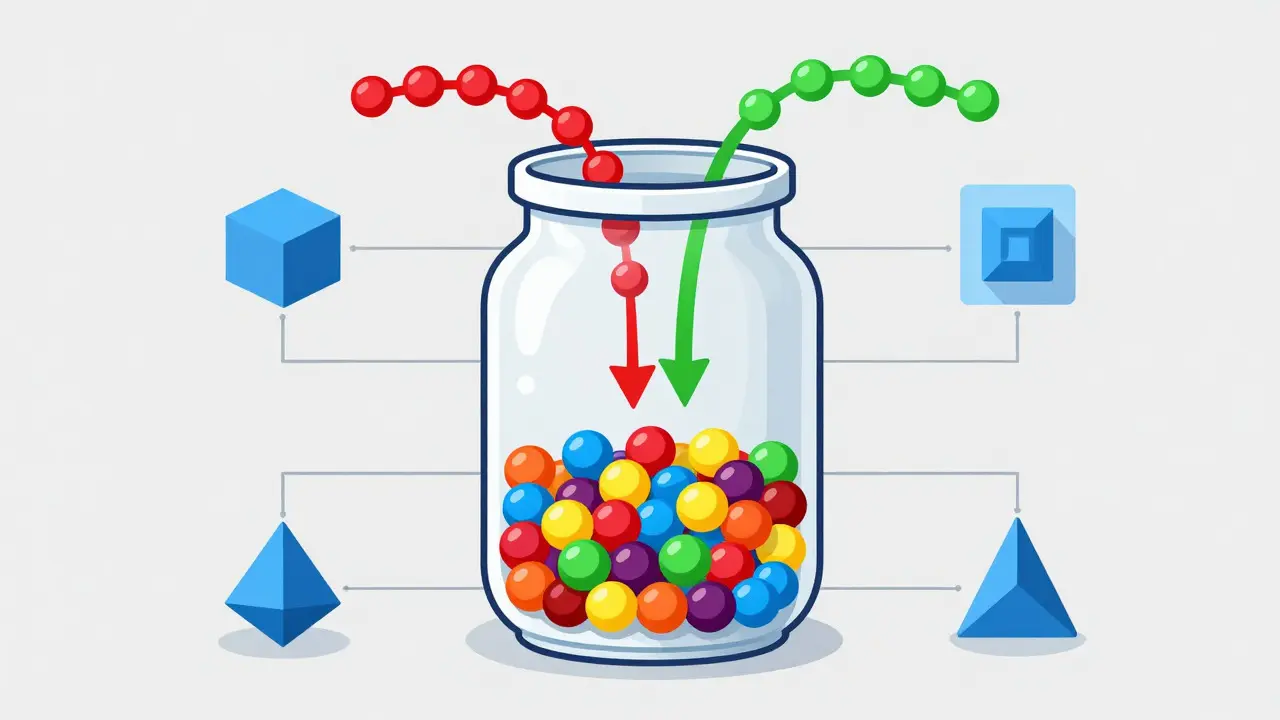
The differentiator is the fee distribution model. Traditional exchanges keep a cut to cover infrastructure costs and profit. Bored Candy City claims zero retention. Here is how the 0.15% fee breaks down:
- Liquidity Provider Rewards: 0.10% of your trade volume is paid directly to those who provide liquidity to the pool. This incentivizes deeper liquidity, which theoretically reduces slippage for traders.
- Protocol Owned Liquidity (POL): 0.05% is used to buy back CANDY tokens from the market. These tokens are then locked into liquidity pools, creating permanent liquidity. This mechanism creates deflationary pressure by removing tokens from circulation over time.
This structure mirrors strategies seen in other Cronos projects like MMFinance, which charges 0.17%. By dropping the fee to 0.15%, Bored Candy City positions itself as the most cost-effective option on the chain. However, low fees only matter if there is enough volume to make them relevant. Right now, that volume is the biggest question mark.
The CANDY Token Ecosystem
The native currency of the platform is the CANDY token. It serves two primary purposes: paying for gas fees on the Cronos Chain within the ecosystem and acting as the reward currency for the integrated play-to-earn (P2E) games. The maximum supply is capped at 250,000,000 tokens, which provides some scarcity, but the fully diluted valuation hovers around $383,000. To put that in perspective, major DeFi protocols often have valuations in the billions.
As of mid-2026, the token trades at approximately $0.0015. More concerning than the price is the liquidity. Data from tracking sites shows 24-hour trading volumes frequently dipping below $50. In some instances, the token is listed as "not traded anywhere." For a functional DEX, this is a red flag. It suggests that while the smart contracts may be deployed, actual user activity is minimal. If you plan to enter or exit large positions, you might find yourself moving the market significantly due to this thin liquidity.
Gaming Integration: Fun or Friction?
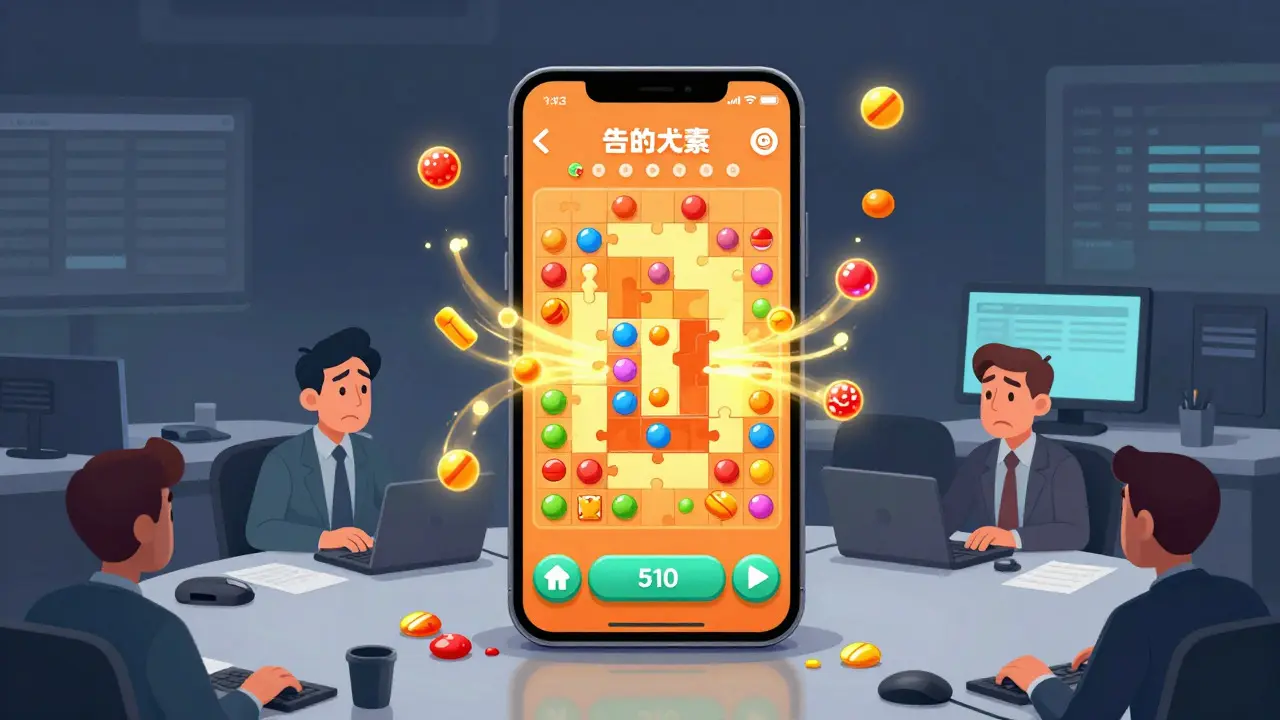
Bored Candy City tries to blend DeFi with casual gaming. The mobile app, available on iOS, features puzzle games similar to Candy Crush. The idea is simple: play games, climb leaderboards, and earn CANDY tokens. You can participate in solo challenges, global competitions, and referral programs to boost your earnings.
On paper, this is a clever way to onboard non-crypto users. Gamification lowers the barrier to entry for people who might be intimidated by complex DeFi dashboards. However, user feedback paints a less rosy picture. App Store reviews contain warnings about payment failures, with one verified user stating they paid for in-game currency that never arrived. Coupled with reports of zero customer service response, these issues suggest that the backend infrastructure supporting the games may not be as robust as the marketing implies.
| Feature | Bored Candy City | MMFinance |
|---|---|---|
| Trading Fee | 0.15% | 0.17% |
| LP Reward Share | 0.10% | 0.10% |
| Buyback Allocation | 0.05% | 0.05% |
| Platform Retention | 0% | 0.02% |
| Gaming Integration | Yes (P2E Puzzles) | No |
| Market Cap Rank | #12,819 | Top 500 |
Risks and Red Flags to Watch
Before you deposit funds or start playing, you need to weigh the potential rewards against the risks. The primary risk here is not technical failure-the code likely works-but operational neglect. When a project has such low trading volume, it often indicates a lack of active development or community engagement. The absence of visible customer support channels exacerbates this. If something goes wrong with your transaction or game account, where do you go? There is no clear answer currently.
Additionally, the reliance on the Cronos Chain means you are exposed to the health of that specific blockchain. While Cronos has grown significantly thanks to partnerships with major exchanges, it still carries more risk than established chains like Ethereum or Solana. If you are new to DeFi, this adds another layer of complexity. You need to manage bridging assets to Cronos, handle gas fees in CRO or CANDY, and navigate a smaller ecosystem of dApps.
Another subtle risk is the "Protocol Owned Liquidity" model. While it sounds good because it locks up tokens, it also means the liquidity is controlled by the protocol. If the team decides to change the parameters or if the governance process is flawed, users have limited recourse. True decentralization requires transparent governance, and with such a small user base, voting power might be concentrated among a few whales or developers.
Who Should Use Bored Candy City?
So, who is this platform actually for? It is not for high-volume traders looking for deep liquidity. It is not for beginners who want a seamless, supported experience. It is best suited for:
- DeFi Experimenters: Users who already understand AMMs, slippage, and gas fees on alternative L1s. If you enjoy testing new protocols and don't mind small capital losses, this is a sandbox for you.
- Cronos Native Users: People who already hold CRO and want to explore the Cronos ecosystem without bridging to Ethereum.
- Gaming Enthusiasts: Casual gamers willing to accept the risk that their in-game purchases might not always work, in exchange for the chance to earn small amounts of CANDY.
If you fall into none of these categories, you might be better off sticking to established DEXs with higher volume and proven track records. The low fees of Bored Candy City are attractive, but saving 0.15% on a trade is meaningless if you lose money due to slippage or operational errors.
Frequently Asked Questions
Is Bored Candy City a scam?
It is not definitively a scam, as the smart contracts are deployed and audited, but it carries high operational risk. User complaints about missing payments and lack of support suggest poor management. Treat it as a speculative experiment rather than a safe investment destination.
What is the trading fee on Bored Candy City?
The trading fee is 0.15%. Of this, 0.10% goes to liquidity providers and 0.05% is used for CANDY token buybacks. The platform retains 0% of the fees.
Which blockchain does Bored Candy City operate on?
It operates on the Cronos Chain. This means you need access to a wallet compatible with Cronos, such as MetaMask configured for the Cronos network, and you will likely need CRO or CANDY for gas fees.
Can I earn CANDY tokens just by playing games?
Yes, the mobile app offers play-to-earn mechanics where you can earn CANDY by completing puzzles and climbing leaderboards. However, ensure you verify the current status of the app, as past users have reported issues with receiving rewards.
How does the Protocol Owned Liquidity model work?
A portion of trading fees (0.05%) is used to buy CANDY tokens from the open market. These tokens are then added to liquidity pools and locked. This increases the depth of the pool and removes tokens from circulation, potentially increasing their value over time.
 Finance