
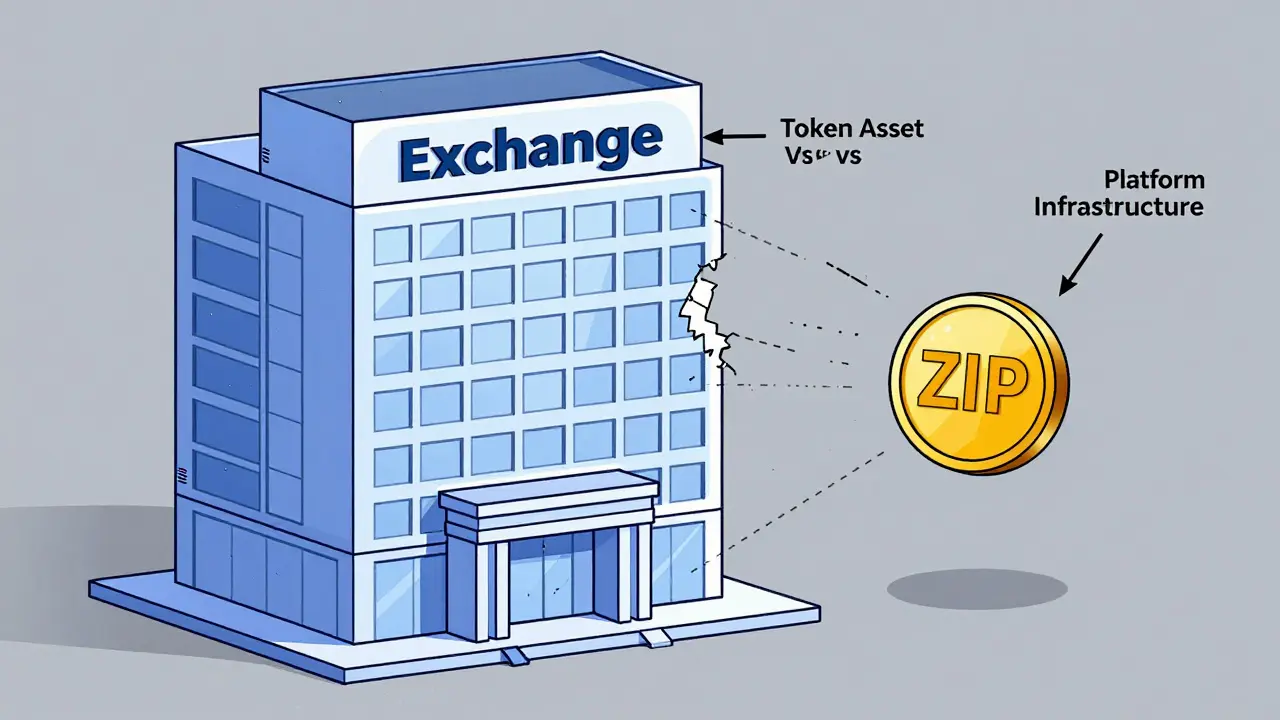
You might have seen ZipSwap pop up on your screen and wondered if it is the next big thing. The name sounds like a platform where you can swap assets quickly. But here is the catch: ZipSwap is not an exchange. It is a token. This distinction matters more than you think.
If you are looking for a place to trade stocks or major cryptocurrencies like Bitcoin, ZipSwap isn't that place. Instead, ZipSwap (ZIP) is a digital asset you trade on other platforms. As of May 2026, this token sits at a fraction of its historical highs, raising questions about its value and safety. Let’s break down what ZipSwap actually is, where you can find it, and whether it deserves a spot in your portfolio.
What Exactly Is ZipSwap?
First things first: do not look for a website called "ZipSwap.com" expecting to deposit funds and start trading immediately. You will likely hit a dead end or, worse, a phishing site. ZipSwap is a cryptocurrency token. Think of it like a stock ticker symbol, but for the crypto world. The ticker is ZIP.
This means ZipSwap relies on other infrastructure to exist. It lives on blockchains and trades on exchanges. Unlike giants such as Binance or Coinbase, which are platforms built by teams with thousands of employees, ZipSwap is just one of many tokens listed on these larger venues-or smaller ones.
The confusion often stems from naming conventions. Many projects use words like "swap," "exchange," or "trade" in their titles to sound like financial institutions. In reality, they are just assets. Understanding this difference protects you from scams. If someone asks you to send money directly to a "ZipSwap wallet" to open an account, run. That is not how legitimate crypto works.
Current Price and Market Performance
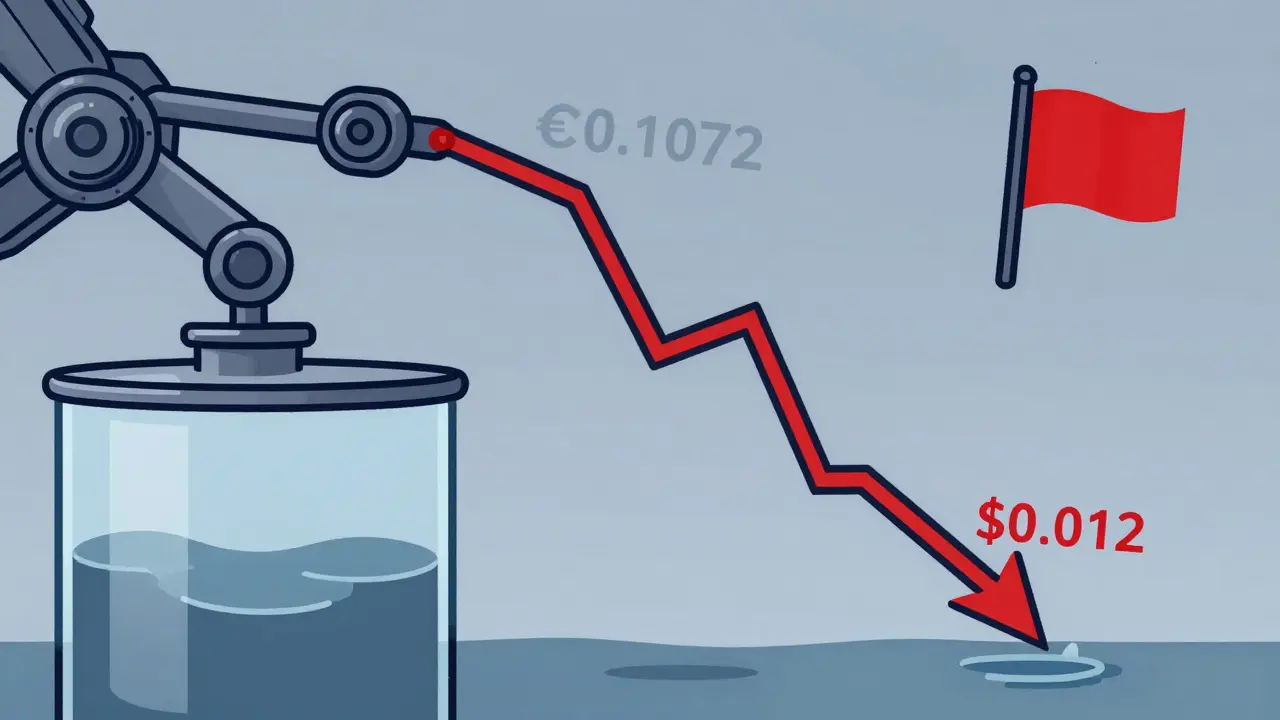
Numbers tell a story, and the story for ZipSwap in 2026 is one of significant decline. Back when hype was high, ZIP tokens reached a peak of approximately €0.1072. At current exchange rates, that translates to roughly $0.116 USD. Today, however, the price hovers around $0.012 to $0.013 USD.
| Metric | Value |
|---|---|
| Historical Peak Price | ~$0.116 USD (€0.1072) |
| Current Price Range (May 2026) | $0.012 - $0.0133 USD |
| Price Drop Percentage | Approximately 89% from peak |
| Major Listing Status | Not listed on Binance or Phemex |
This drop indicates high volatility. For every dollar you invest today, you are buying into an asset that has lost most of its previous value. While some investors see this as a "bottom" opportunity, others see it as a warning sign. Without strong fundamentals-like active development, growing user base, or clear utility-it is hard to justify betting on a rebound.
Market capitalization plays a role here too. Since exact circulating supply figures are scarce, calculating true market cap is tricky. However, low liquidity often accompanies small-cap tokens. This means selling large amounts of ZIP could drastically drive down the price further, trapping your funds.
Where Can You Buy ZipSwap?
Since ZipSwap is not an exchange, you need to find a platform that lists the ZIP token. Your options are limited compared to major coins like Ethereum or Solana. Notably, ZipSwap is absent from top-tier centralized exchanges like Binance and Phemex. These platforms usually vet tokens rigorously for security and legitimacy. Their absence suggests ZipSwap may not meet strict compliance standards or lacks sufficient trading volume.
So, where do you go? Here are the realistic channels available in 2026:
- Secondary Centralized Exchanges: Platforms like Gate.io list ZIP tokens. These exchanges are less regulated than Binance but offer easier access via credit cards or bank transfers. Always check the specific pairings available, such as ZIP/USDT.
- Decentralized Exchanges (DEXs): If ZIP operates on a blockchain like Ethereum or BSC, you might find it on DEXs like Uniswap or PancakeSwap. Trading here requires a crypto wallet like MetaMask. You connect your wallet, swap ETH or BNB for ZIP, and keep custody of your assets. No identity verification is needed, offering privacy but also less recourse if something goes wrong.
- P2P Marketplaces: Peer-to-peer platforms allow direct buyer-seller transactions. You negotiate terms directly. This method carries higher risk because you rely entirely on the counterparty’s honesty. Scams are common here, so use escrow services if available.
- Crypto ATMs: Some global ATM networks support smaller altcoins. Check local directories before visiting. Fees at ATMs are typically much higher than online exchanges, often exceeding 5-10% per transaction.
Each method has trade-offs. Centralized exchanges offer ease but require KYC (Know Your Customer) checks. DEXs offer freedom but demand technical know-how. P2P offers flexibility but invites fraud. Choose based on your comfort level with technology and risk.
Risks and Red Flags
Investing in tokens like ZipSwap comes with serious risks. Let’s be blunt: there is very little public information about the project behind ZIP. Who is the team? What is the roadmap? Have smart contracts been audited by firms like CertiK or OpenZeppelin? The answers are largely missing from public records.
This lack of transparency is a major red flag. In crypto, trust is earned through code and community engagement. When neither exists, you are gambling. Consider these specific dangers:
- Liquidity Risk: With low trading volume, you might buy ZIP only to find no buyers when you want to sell. Your investment becomes stuck.
- Regulatory Uncertainty: Governments worldwide are tightening rules on crypto. Tokens without clear utility or regulatory compliance face delisting or bans. ZipSwap’s absence from major exchanges hints at potential regulatory friction.
- Volatility: Prices swing wildly based on celebrity tweets, market news, or pure speculation. A 50% drop in hours is not uncommon for small caps.
- Scam Potential: Fake websites mimicking ZipSwap exist. Always verify contract addresses on official sources like CoinMarketCap or CoinGecko before interacting.
Never invest money you cannot afford to lose. Treat ZipSwap as speculative entertainment, not a savings vehicle. Diversify your portfolio. Keep the majority in established assets like Bitcoin or stablecoins.
How to Evaluate Small-Cap Tokens
If you still want to explore ZipSwap, apply a rigorous checklist. Do not rely on hype or social media promises. Look for concrete data:
- Whitepaper Analysis: Does ZIP have a whitepaper outlining its purpose? Is the technology unique, or is it a copy-paste job?
- Team Anonymity: Anonymous teams are risky. Do they have LinkedIn profiles? Past track records? Accountability matters.
- Community Activity: Check Discord, Telegram, and Reddit. Are discussions substantive, or just bots spamming "to the moon"? Real communities solve problems together.
- On-Chain Metrics: Use tools like Etherscan to view holder distribution. If a few wallets hold 90% of supply, the project is centralized and vulnerable to manipulation.
For ZipSwap specifically, these metrics are hard to find. That scarcity itself is data. It suggests limited interest from serious analysts and institutional players.
Alternatives to ZipSwap
If you seek exposure to cryptocurrency growth, consider safer alternatives. Established projects offer better liquidity, transparency, and long-term viability:
| Asset | Risk Level | Liquidity | Use Case |
|---|---|---|---|
| Bitcoin (BTC) | Low | Very High | Digital Gold, Store of Value |
| Ethereum (ETH) | Medium | High | Smart Contracts, DeFi Base |
| Solana (SOL) | Medium-High | High | Fast Transactions, NFTs |
| ZipSwap (ZIP) | Very High | Low | Unclear/Speculative |
These alternatives provide clearer paths to profit through adoption and network effects. They also have robust ecosystems supporting developers, businesses, and users. Stick to what you understand. Complexity does not equal value.
Final Thoughts on ZipSwap
ZipSwap is not an exchange. It is a volatile, low-liquidity token with unclear fundamentals. Its price has crashed significantly from past peaks, and it lacks listings on major platforms. While opportunities exist in obscure tokens, ZipSwap currently offers more risk than reward for the average investor.
If you decide to proceed, use extreme caution. Verify contract addresses, use secure wallets, and never share private keys. Start with tiny amounts to test waters. Remember, in crypto, ignorance is expensive. Educate yourself before clicking buy.
Is ZipSwap a safe investment?
No, ZipSwap is considered a high-risk investment. It lacks listings on major exchanges, has experienced significant price drops, and has limited public information regarding its development team or security audits. Only invest what you can afford to lose entirely.
Where can I buy ZipSwap (ZIP) tokens?
You can buy ZIP tokens on secondary centralized exchanges like Gate.io, through decentralized exchanges (DEXs) using a crypto wallet, or via peer-to-peer marketplaces. Note that it is not available on major platforms like Binance or Phemex.
Why is ZipSwap not on Binance?
Binance vets tokens for security, liquidity, and regulatory compliance. ZipSwap's absence suggests it may not meet these strict criteria, possibly due to low trading volume, unclear utility, or potential regulatory concerns.
What is the current price of ZipSwap?
As of May 2026, ZipSwap (ZIP) trades between $0.012 and $0.0133 USD. This represents a significant decrease from its historical peak of approximately $0.116 USD.
Is ZipSwap a scam?
There is no definitive proof labeling ZipSwap a scam, but the lack of transparency, anonymous team, and poor performance raise serious red flags. Exercise extreme caution and verify all details independently before engaging.
Can I use a credit card to buy ZipSwap?
Yes, if you use a centralized exchange like Gate.io that supports credit card purchases. However, fees may be high, and you must ensure the platform explicitly lists the ZIP token pair.
 Finance