

zkRollup: The Fast, Secure Way to Scale Blockchains
When working with zkRollup, a layer‑2 scaling method that rolls up many transactions and proves their correctness with zero‑knowledge proofs. Also known as zero‑knowledge rollup, it lets blockchains process more activity without sacrificing security. In this setup, zero‑knowledge proof, a cryptographic technique that verifies data without revealing it acts as the verifier, while layer‑2 scaling, any solution that moves work off the main chain to improve speed and lower fees provides the environment where the rollup lives. The result is a system where zkRollup can handle thousands of transactions per second, keep gas costs low, and still let anyone audit the state changes on the main chain. This combination creates three clear semantic connections: zkRollup encompasses zero‑knowledge proofs, zkRollup requires layer‑2 architecture, and zero‑knowledge proof influences blockchain scalability. Because the proof is posted on the base layer, users benefit from Ethereum’s security while enjoying a much faster experience. That’s why developers are building DeFi bridges, NFT marketplaces, and even energy‑data platforms on top of zkRollup tech.
Why zkRollup matters today
The ripple effect of zkRollup reaches beyond pure transaction speed. Faster, cheaper trades make airdrop campaigns—like those covered in our Bull Finance and SupremeX guides—more attractive, because participants can claim tokens without worrying about high gas fees. Exchanges listed in our reviews, such as OpenSwap or SuperEx, are beginning to support zkRollup‑based assets, giving traders a smoother path to move funds between L1 and L2. From a regulatory angle, the efficiency of zkRollup can influence how governments view crypto activity; for example, China’s strict stance or Taiwan’s banking rules often hinge on transaction volume and traceability, both of which zkRollup can improve without compromising privacy. Energy‑data projects, like the blockchain energy management case study, also benefit: bulk data can be compressed into a single rollup proof, cutting storage costs for utilities. Even technical building blocks like Merkle trees fit naturally into zkRollup designs, providing the hash structure that underpins state verification. In short, zkRollup ties together token distribution, exchange functionality, compliance, and real‑world applications, making it a cornerstone of the current crypto landscape.
Below you’ll find a curated set of articles that dive deep into these topics. From token tax guides in India and China’s crypto ban to detailed exchange reviews and emerging blockchain use cases, our collection shows how zkRollup technology intersects with market trends, legal frameworks, and innovative projects. Scroll down to explore practical insights, risk assessments, and step‑by‑step how‑tos that will help you stay ahead in a fast‑moving space.
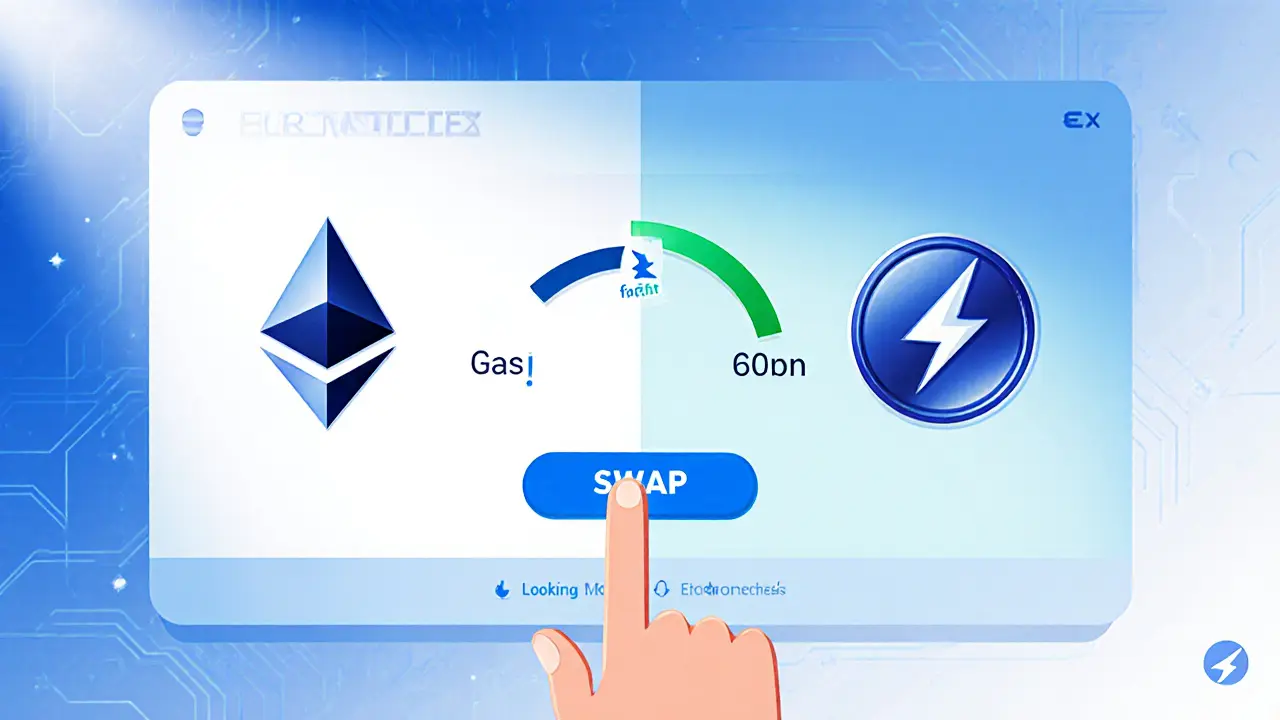
Learn what Loopring (LRC) is, how its zkRollup Layer2 tech works, token economics, real‑world use cases, risks, and how to start trading.
Categories
 Finance
Archives
Recent-posts

ETHPAD's GRAND Airdrop: What We Know and How to Participate
Feb, 8 2026
UAE Removal from FATF Grey List: How It Changed the Crypto Industry
Nov, 23 2025
What is MONNOS (MNS) crypto coin? Here's the real story behind the token
Mar, 15 2026

What is Coin6900 (COIN) crypto coin? All you need to know about this meme token on Base
Dec, 3 2025
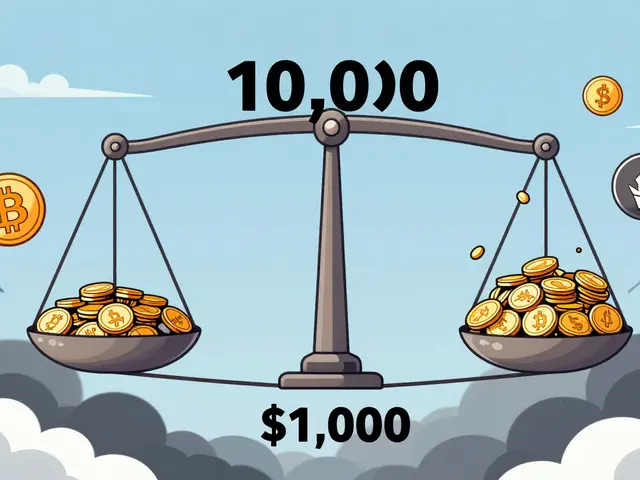
Understanding 10x, 50x, 100x Leverage in Crypto Trading
Dec, 21 2025