

OpenSwap Review: Features, Fees, Security & User Experience
This OpenSwap review starts by defining the core platform. When checking out OpenSwap, a decentralized exchange that lets users trade tokens directly from their wallets without a middle‑man. Also known as OpenSwap DEX, it operates on a trust‑less model where smart contracts handle every swap.
OpenSwap lives within the broader category of Decentralized Exchange (DEX), platforms that enable peer‑to‑peer trading on‑chain, bypassing centralized order books. A DEX relies heavily on Liquidity Pools, collections of token pairs that provide the capital needed for swaps. Each pool powers a Token Swap, the actual trade of one cryptocurrency for another using the pool’s automated market maker formula. These three entities—OpenSwap, DEX, Liquidity Pools, and Token Swaps—form the backbone of any on‑chain trading experience.
Key Factors to Consider
OpenSwap review encompasses several practical angles. First, swap speed matters; OpenSwap leverages fast block finality, so most trades settle within seconds. Second, the fee structure is transparent: a base fee of 0.25% plus a variable component that rewards liquidity providers. Third, security is non‑negotiable; the platform’s contracts have undergone multiple audits and include a timelock for governance changes. Fourth, the depth of liquidity pools directly influences price impact—larger pools mean less slippage for big trades. Finally, community governance shapes future upgrades, meaning token holders can vote on fee tweaks, new pair listings, or incentive programs. In short, OpenSwap review requires looking at speed, costs, safety, pool size, and decentralised decision‑making.
All of these pieces interlink: a decentralized exchange influences token swap costs, while robust liquidity pools reduce price impact, and solid security audits build trust in the overall platform. By understanding how each component fits, traders can gauge whether OpenSwap meets their needs or if another DEX might serve them better.
Below you’ll find a curated mix of exchange reviews, airdrop guides, and regulatory updates that complement this OpenSwap analysis. Dive in to see how the platform stacks up against peers, learn how to claim related token incentives, and stay aware of the legal landscape that could affect your trading strategy.
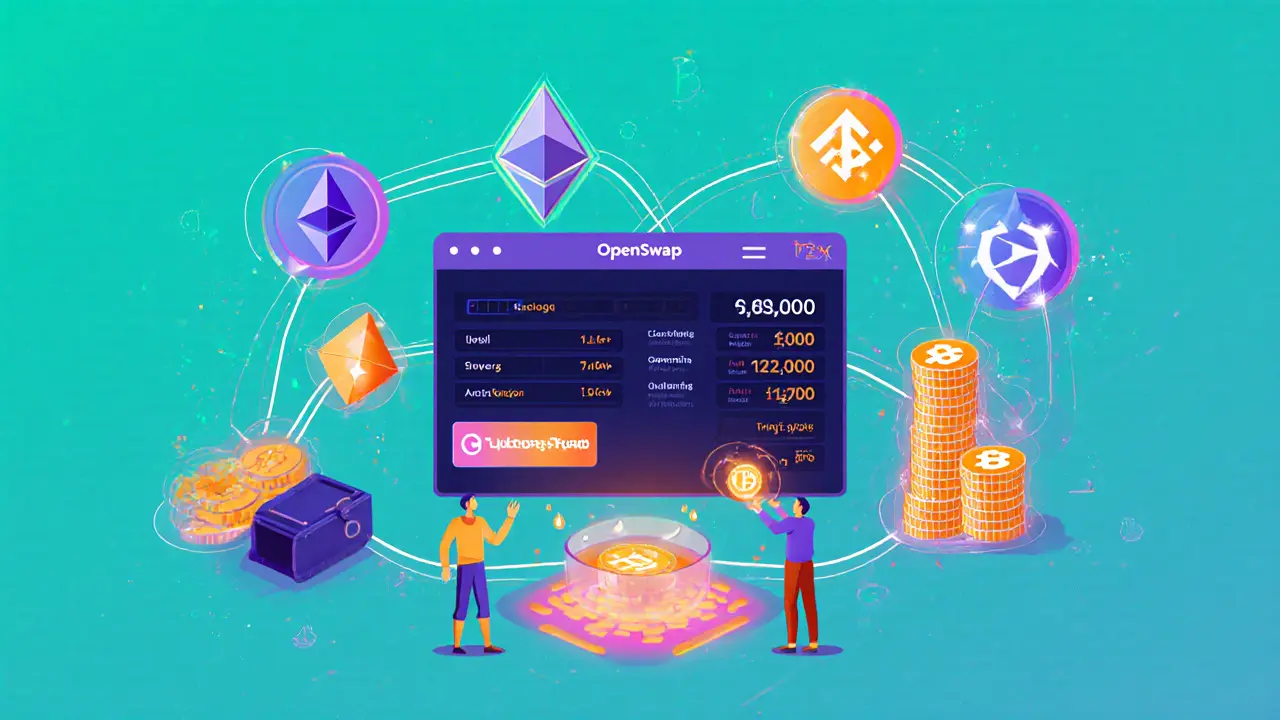
A practical review of OpenSwap crypto exchange covering features, security, fees, liquidity and how it compares to top DEXs and CEXs.
Categories
 Finance
Archives
Recent-posts
Central Bank of Jordan Crypto Policy: What You Need to Know in 2026
Feb, 21 2026
VirgoCX Crypto Exchange Review: Best for Canadian Beginners?
Mar, 16 2026

AjuBit Crypto Exchange Review: Best for Crypto-to-Fiat Transfers in 2025
Oct, 27 2025

1MillionNFTs (1MIL) airdrop details and how to verify the Monad “1 Million Nads” NFT
Oct, 19 2025
Top NFT Marketplace Security Best Practices for 2025
Oct, 16 2025