

Kraken Crypto Exchange – What You Need to Know
When working with Kraken crypto exchange, a global platform that enables buying, selling, and trading of dozens of digital assets. Also known as Kraken, it offers spot, futures, and staking options with competitive fee structures, you instantly tap into a service trusted by both retail traders and institutions. If you’re hunting for a reliable Kraken crypto exchange experience, start by understanding the core elements that shape its performance.
Key Elements That Define the Platform
One of the first things users notice is the trading fees, a tiered schedule that drops from 0.26% to 0.02% as monthly volume grows. This fee model directly influences profitability for day traders and long‑term holders alike. Next comes security protocols, multi‑factor authentication, cold storage for the bulk of assets, and regular penetration testing. Those safeguards are essential because a breach can wipe out balances in minutes.
Liquidity is another pillar: liquidity pools, deep order books on major pairs like BTC/USD and ETH/EUR ensure that large orders execute with minimal slippage. Finally, regulatory compliance shapes how the exchange operates across borders. Kraken maintains regulatory licenses, registrations in the US, EU, and several offshore jurisdictions, allowing it to serve a worldwide user base while adhering to AML/KYC standards.
These four entities—trading fees, security protocols, liquidity pools, and regulatory licenses—are tightly linked. For example, strong security builds trust, which attracts more users, boosting liquidity. Higher liquidity then lets Kraken keep fees low while still covering operational costs mandated by regulators.
Understanding this ecosystem helps you decide whether Kraken fits your strategy. If you trade high volumes, the fee tier can save you significant dollars. If you’re risk‑averse, the layered security measures give extra peace of mind. And if you need to move large sums quickly, deep liquidity reduces price impact.
Beyond the basics, Kraken offers a suite of advanced tools. The Futures platform mirrors traditional derivatives contracts, letting you hedge or speculate with up to 5x leverage. Staking lets you earn passive rewards on assets like ETH 2.0 and Solana, with payouts handled directly in your account. The mobile app mirrors the desktop experience, so you can monitor positions, set alerts, and execute trades on the go.
Customer support also matters. Kraken runs a 24/7 live chat and ticket system, plus a growing knowledge base that covers everything from account verification to API integration. Users often compare this to the slower response times of newer exchanges, making Kraken a solid choice for those who value timely help.
When it comes to API access, Kraken provides both REST and WebSocket endpoints, supporting high‑frequency trading bots and institutional order routing. The API includes detailed rate limits, sandbox environments, and comprehensive documentation—a must‑have for developers building custom strategies.
Finally, let’s touch on education. Kraken’s Learning Center offers articles on market fundamentals, technical analysis, and safety best practices. This educational layer complements the platform’s tools, helping beginners climb the learning curve faster.
All these aspects—fees, security, liquidity, regulation, advanced features, support, API, and education—form a cohesive picture of what Kraken crypto exchange actually delivers. Below you’ll find a curated collection of articles that dive deeper into each of these topics, from fee breakdowns to security audits, from staking guides to regulatory updates. Whether you’re just starting out or looking to fine‑tune a sophisticated trading operation, the posts ahead will give you actionable insights to make the most of Kraken’s ecosystem.
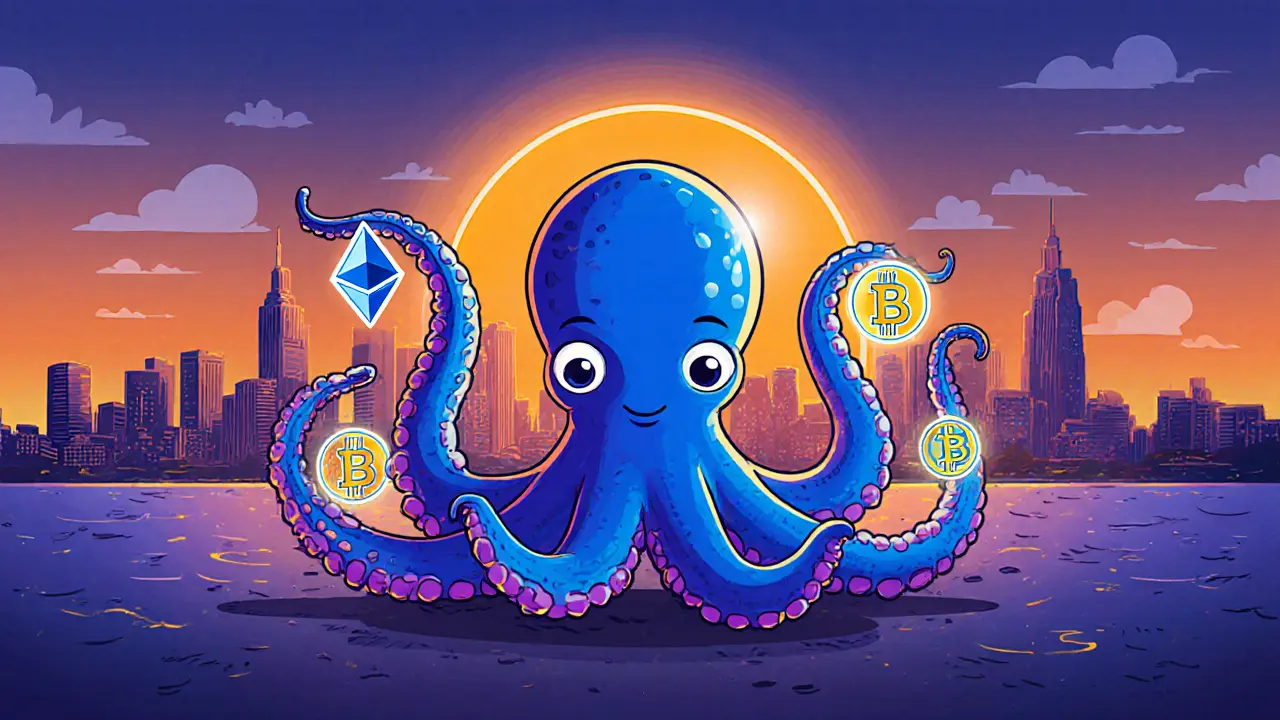
A detailed 2025 review of Kraken crypto exchange covering fees, security, features, pros/cons, and how it compares to competitors like Coinbase.
Categories
 Finance
Archives
Recent-posts
Coinroom Crypto Exchange Review: Transparency, Fees, and Is It Right for You?
Dec, 27 2025
Germany's 12-Month Crypto Tax Exemption for Bitcoin Holders: What You Need to Know
Nov, 5 2025
Everything You Need to Know About the APIS Airdrop (2025)
Jun, 10 2025

AdEx Network (ADX) Airdrop Guide: History and AI-Powered Hunting
Apr, 5 2026

VARA Crypto Licensing Requirements in Dubai 2026
Mar, 7 2026