

Fake Crypto Exchange: How to Spot Scams and Avoid Losing Your Money
When you hear about a new crypto exchange promising 10x returns with no fees, that’s usually a fake crypto exchange, a fraudulent platform designed to steal deposits and vanish without a trace. Also known as a sham exchange, it looks real—has a slick website, fake testimonials, and even fake customer support—but it doesn’t hold your coins. It just takes them. These platforms aren’t just shady—they’re dangerous. In 2024 alone, over $1.2 billion was lost to crypto scams, and fake exchanges made up nearly 40% of those cases.
How do they work? They copy the design of real exchanges like Binance or Coinbase, then lure you in with fake airdrops, fake trading volume, or promises of instant withdrawals. Once you deposit, you can’t get your money out. The site might show your balance, but it’s just pixels on a screen. Real exchanges have audits, KYC, and public team members. Fake ones? No website history, no legal address, no verifiable team. Look at posts like the one on VCC Exchange, a region-focused platform that shut down after failing to deliver basic services—it wasn’t even a scam, just poorly run. Now imagine a platform that never had any real infrastructure at all. That’s the difference.
Another red flag? Tokens with no utility. If you’re being asked to trade a coin like SWIM, a token that claimed to teach toddlers via blockchain but had zero users or trading volume, or Launchium (LNCHM), a Solana token with no website, no team, and no roadmap, you’re being targeted. These aren’t investments—they’re traps. Fake exchanges push these coins to create fake liquidity, making it look like the platform is active. It’s all theater.
What should you check before depositing? First, does the exchange have a verifiable company registration? Second, can you find real user reviews outside their own site? Third, are the trading pairs realistic? Fake exchanges often list obscure tokens with no market history. Fourth, do they ask for your private keys? If yes, walk away. Real exchanges never do. And finally, check the domain age. Many fake sites are registered days before launch.
You don’t need to be a tech expert to avoid these traps. You just need to be skeptical. If something sounds too good to be true, it is. If the platform doesn’t answer basic questions about its team or security, it’s not worth the risk. The posts below cover real cases—like VCC Exchange shutting down, or CRODEX being a high-risk, un-audited token—so you can see how these scams play out in real life. You’ll learn what to look for, what to ignore, and how to protect your money before it’s too late.
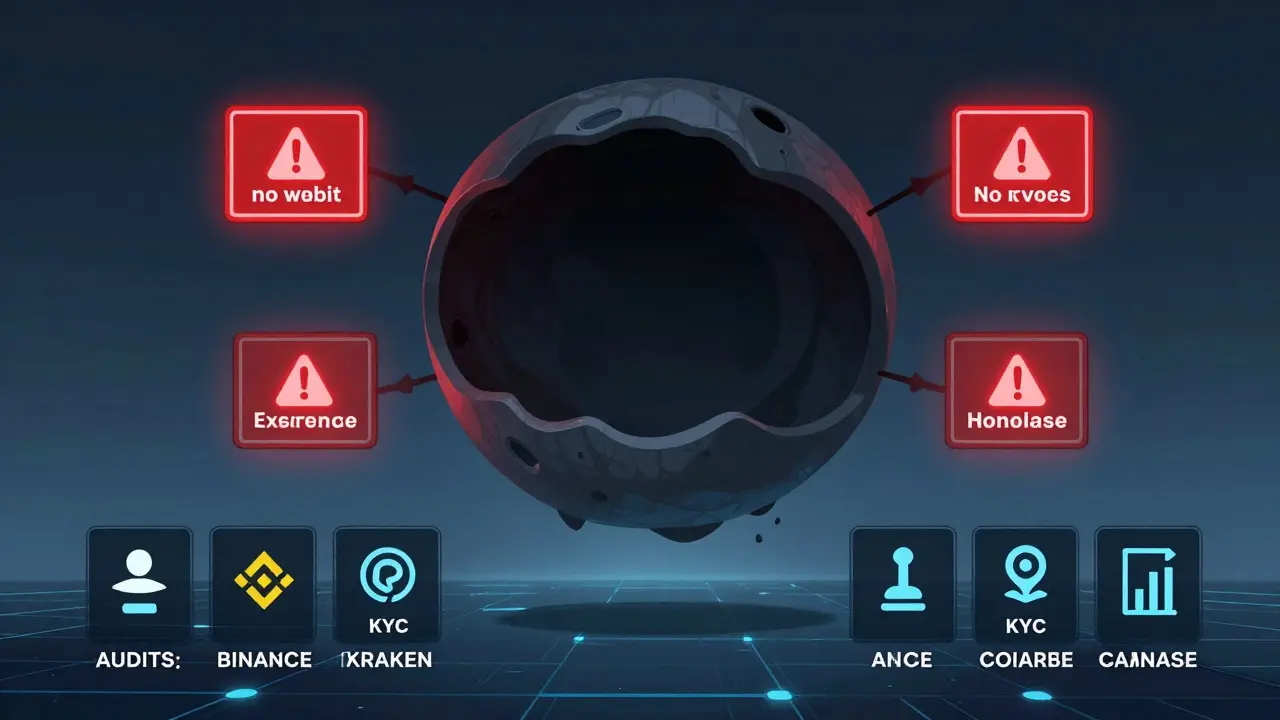
Tranquil Finance crypto exchange doesn't exist as a legitimate platform. No reviews, no audits, no user feedback. It's a ghost in the crypto space - likely a scam. Stick to verified exchanges like Binance, Kraken, or Coinbase instead.
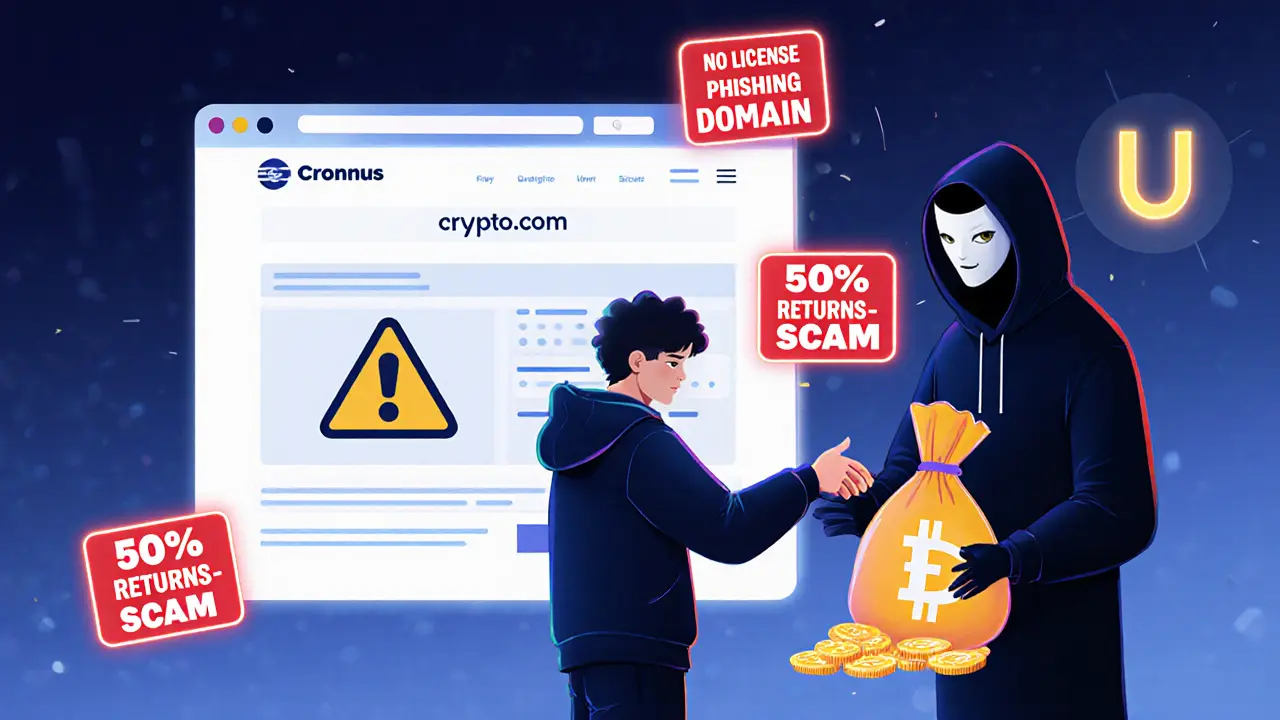
Cronus Finance is a scam crypto exchange using a misspelled name to trick users. Learn how to spot fake platforms, avoid losing money, and safely trade CRO on legitimate exchanges like Crypto.com.
Categories
 Finance
Archives
Recent-posts
How North Korea Converts Stolen Cryptocurrency to Fiat: A Detailed Breakdown
Feb, 6 2026

Ju.com Crypto Exchange Review: Pros, Cons, and What You Need to Know in 2026
Feb, 4 2026
Ancient Raid (RAID) NFT Mega Airdrop: How to Participate and What You Need to Know
Nov, 9 2025
How Blockchain Is Transforming Philanthropy with Transparency and Efficiency
Dec, 23 2025
LFW x CMC NFT Airdrop: How to Get Your Free NFT from Linked Finance World
Nov, 19 2025