

Ethereum crypto: What It Is, How It Works, and What You Need to Know
When you hear Ethereum crypto, don't just think of a digital currency. Ethereum, a decentralized blockchain platform that runs smart contracts and powers thousands of apps. Also known as ETH, it's the engine behind most of what you see in crypto today—from trading tokens to buying NFTs. Unlike Bitcoin, which mostly moves value, Ethereum lets developers build things—like lending platforms, games, and marketplaces—right on top of it. That’s why so many projects, even ones you’ve never heard of, still depend on it.
At the heart of Ethereum are smart contracts, self-executing code that runs exactly as programmed without any middleman. These aren’t theoretical—they’re what make DeFi possible. When you lend ETH on Aave or swap tokens on Uniswap, you’re interacting with smart contracts. They’re also behind NFTs like those in the EpicHero 3D collection or the GZONE IDO launch. No central server, no human approval, just code doing its job. But that code isn’t perfect. A glitch can cost millions, which is why audits and transparency matter so much.
Ethereum gas fees, the cost to run transactions or deploy code on the network. These fees spike when the network gets busy—like during an NFT drop or a big DeFi launch. That’s why you’ll see posts about mempools, transaction delays, and how to save money by timing your trades. It’s not just a nuisance—it’s a core part of how Ethereum scales. And while Ethereum 2.0 improved things, fees still vary wildly depending on demand. If you’re using DeFi, you need to understand this.
What you’ll find here isn’t theory. These are real stories: a token built on Cronos that turned out to be a scam, a Solana-based coin with no team, a fan token tied to a soccer club, and a DeFi pool where people lost money to impermanent loss—all because they didn’t grasp how Ethereum and its ecosystem actually work. Some posts show you how to spot fake exchanges. Others explain why a token has no utility. A few even break down how digital signatures keep everything secure. This isn’t a beginner’s guide to buying ETH. It’s a practical look at what’s really happening on the network, the good, the bad, and the outright risky.
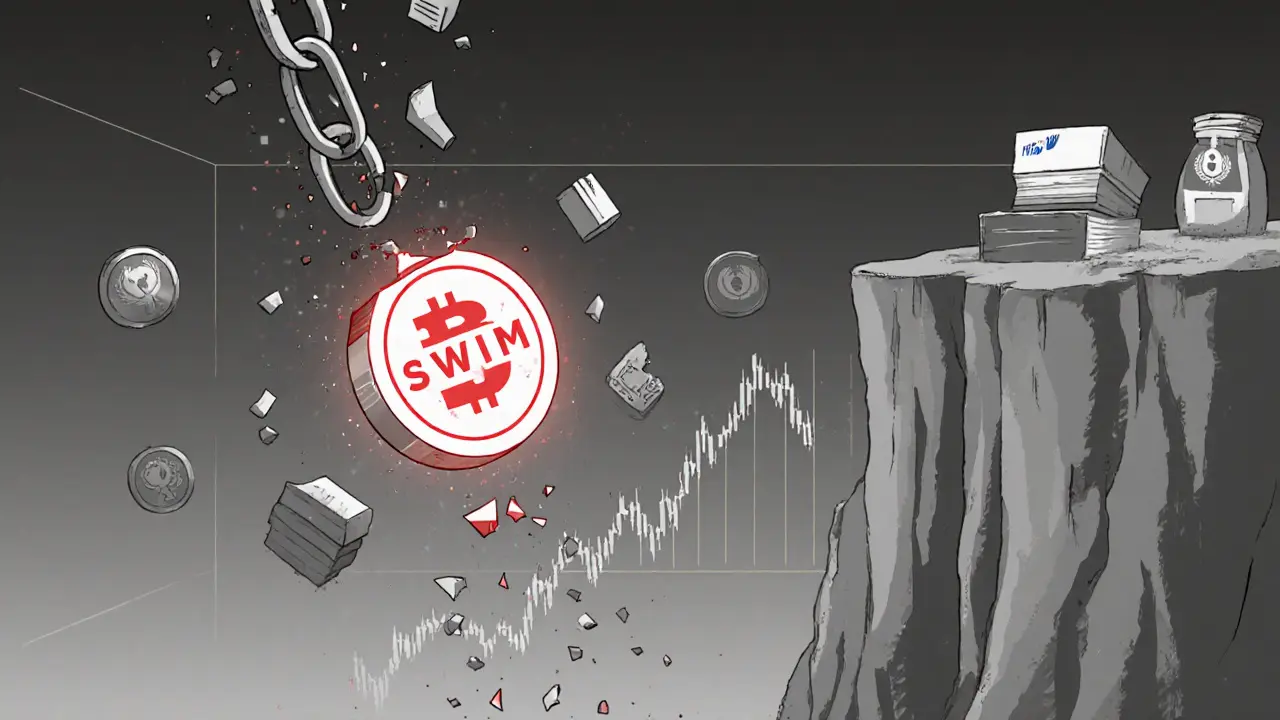
SWIM (Spread Wisdom) is a cryptocurrency that promised to share wisdom and teach toddlers through blockchain - but it never delivered. With near-zero trading volume and no real users, it's now a cautionary tale in crypto.
Categories
 Finance
Archives
Recent-posts

Zero Tax on Long-Term Crypto Holdings in Germany: How the 1‑Year Rule Works
Mar, 10 2025

ASIC Miners Explained: How They Power Cryptocurrency Mining
Aug, 16 2025

Bullish Crypto Exchange Review: Best Platforms for 2025 and Beyond
Aug, 13 2026

Crypto Payment Ban in Russia: Domestic Rules vs International Bitcoin Use (2026 Guide)
May, 18 2026

How to Calculate Impermanent Loss in DeFi Liquidity Pools
Nov, 1 2025