

Deflationary Crypto: How Scarce Tokens Gain Value Over Time
When we talk about deflationary crypto, a type of cryptocurrency designed to reduce its total supply over time, making each remaining unit potentially more valuable. Also known as scarce token models, it contrasts sharply with inflationary coins that keep printing new units, diluting ownership. Unlike Bitcoin, which has a fixed cap of 21 million, many deflationary tokens actively destroy coins through mechanisms like coin burn, the process of permanently removing tokens from circulation by sending them to an unrecoverable wallet address. This isn’t just marketing—it’s coded into the blockchain, and it changes how people think about holding and trading.
Deflationary crypto doesn’t just rely on burning. Many projects combine it with tokenomics, the economic design behind a cryptocurrency’s supply, distribution, and incentives to create real scarcity. For example, some tokens take a small percentage of every transaction and burn it automatically. Others lock up supply through staking or vesting schedules. The goal? Make the token harder to acquire over time, so early holders benefit from rising demand with shrinking supply. But here’s the catch: not every coin that calls itself deflationary actually delivers. Some just hype the term while keeping new minting open. Real deflationary models track supply changes on-chain—you can see the burns happen, not just read about them.
It’s easy to confuse deflationary crypto with inflationary models like Ethereum before the EIP-1559 upgrade, where new ether was constantly issued. But deflationary tokens flip that script. They’re often used in DeFi protocols, gaming economies, or community tokens where scarcity drives participation. Think of it like limited-edition sneakers: if only 10,000 exist and everyone wants them, the price goes up. But if the brand keeps printing more, the hype fades. The same logic applies here. What matters isn’t just the idea—it’s whether the burn rate outpaces new issuance, and whether real demand follows. In the posts below, you’ll find real examples: tokens that burned millions, platforms that failed to deliver on scarcity promises, and how traders actually profit (or lose) when supply shrinks.
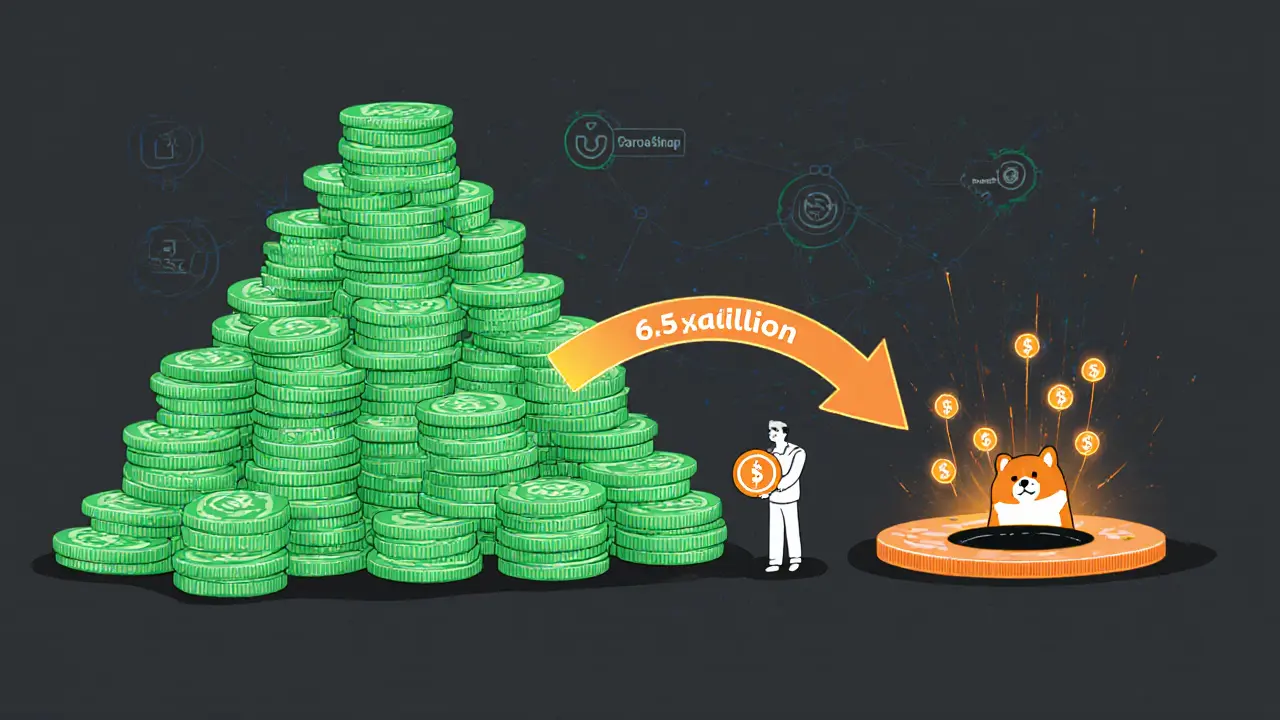
ShibaCorgi (SHICO) is a meme crypto coin with a quadrillion supply and a 4% transaction tax. It pays holders passive rewards but has almost no value, liquidity, or future potential. Here's what you need to know before buying.
Categories
 Finance
Archives
Recent-posts

BitTap Crypto Exchange Review: Features, Risks, and What You Need to Know
Feb, 23 2026

Curve on Avalanche: Does It Exist? A 2026 Reality Check & Best Alternatives
Jul, 6 2026
China Crypto Regulation 2025: Is Cryptocurrency Legal?
Oct, 11 2025

ACMD X CMC Airdrop Details: Claim Guide, Tokenomics & Risks
Apr, 1 2025
Coinext Crypto Exchange Review 2025: Fees, Security & Features
Oct, 3 2025