

Crypto Trading: What It Really Takes to Trade Cryptocurrencies in 2025
When you hear crypto trading, the act of buying and selling digital assets like Bitcoin or Ethereum with the goal of making a profit. Also known as cryptocurrency trading, it’s not just about watching price charts—it’s about choosing platforms that won’t vanish with your money, spotting fake airdrops, and understanding why some exchanges disappear overnight. Most people think crypto trading is about timing the market. But the real challenge? Avoiding the traps.
There are hundreds of crypto exchanges, online platforms where you can buy, sell, or trade cryptocurrencies. Also known as cryptocurrency trading platforms, they range from well-regulated giants like CEX.IO to sketchy sites like CEEX or GCOX that have no users, no security, and no future. Some offer 100x leverage—great if you know what you’re doing, deadly if you don’t. Others, like Instars or Minswap V2, let you earn by sharing data or trade with near-zero fees on niche blockchains like Cardano. But here’s the catch: if an exchange doesn’t mention regulation, insurance, or user reviews, it’s probably a gamble, not a platform.
DeFi platforms, decentralized systems that let you trade, lend, or earn crypto without a middleman. Also known as decentralized finance platforms, they’re growing fast—but many are empty shells. Flamingo Finance and THENA FUSION promise everything: swaps, leverage, vaults. But if liquidity is low, the team is silent, and Binance is watching them like a red flag, you’re not investing—you’re betting on a ghost. Meanwhile, privacy coins like Monero and Zcash are being dropped by major exchanges because of new global rules. That’s not a glitch—it’s the new normal.
And then there are the scams. The crypto scam, a fraudulent scheme designed to steal funds under false pretenses. Also known as crypto fraud, they come dressed as airdrops—Shambala, CoPuppy, Sonar Holiday—each claiming to be tied to CoinMarketCap, but none of them are real. These aren’t mistakes. They’re engineered to exploit excitement. If it sounds too good to be true, and it’s pushing you to click a link before you research, it’s a trap.
You don’t need to be a genius to trade crypto. But you do need to know what to ignore. The hype. The fake airdrops. The exchanges with no history and no regulation. The tokens with zero team updates and 99% price drops. What you need instead is clarity: which platforms have real volume, which tokens have real use, and which projects are just smoke and mirrors. Below, you’ll find real reviews—no fluff, no sponsored posts—just what works, what doesn’t, and who it’s really for in 2025.
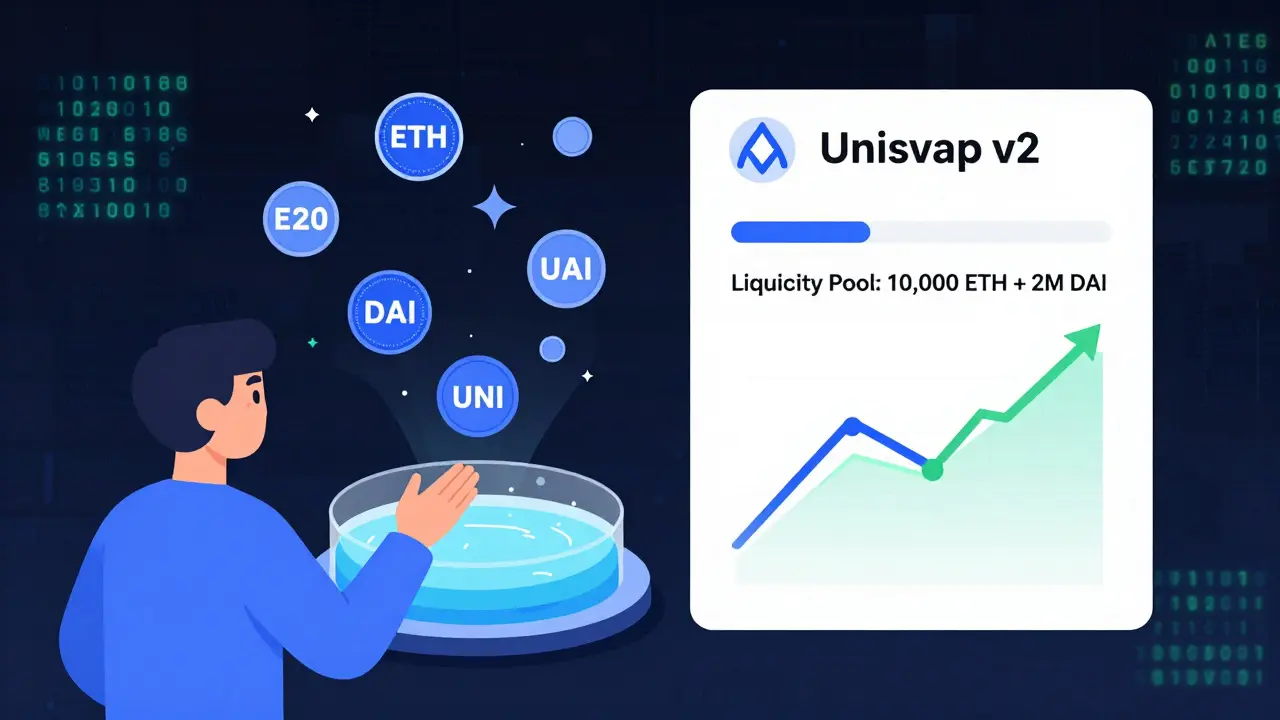
Uniswap v2 is a leading decentralized exchange for swapping Ethereum tokens, while Plasma is a separate blockchain built only for free USDT transfers. Learn how they work, why they’re not the same, and which one to use.
Categories
 Finance
Archives
Recent-posts

What is O Intelligence Coin (OI) Crypto Coin? The Single-Supply AI Token Explained
Dec, 6 2025

How to Avoid Crypto Restrictions in Iran: Practical Methods for 2025
Nov, 25 2025

Fundamental Analysis Frameworks for Crypto and Blockchain Investing
Oct, 21 2025

Ju.com Crypto Exchange Review: Pros, Cons, and What You Need to Know in 2026
Feb, 4 2026

Cronus Finance Crypto Exchange Review: Is It Legit or a Scam?
Nov, 4 2025