

CBDC Taiwan – Latest Updates and Regulations
When exploring CBDC Taiwan — the Central Bank Digital Currency projects in Taiwan. Also known as Taiwanese digital currency, it aims to modernize payments and boost financial inclusion. The Financial Supervisory Commission (FSC), Taiwan's primary regulator for securities, futures and crypto assets oversees the legal framework that will allow a digital yuan‑style token to operate alongside traditional payment rails. Meanwhile, blockchain technology, a distributed ledger that secures transaction data and enables programmable money provides the technical backbone for any CBDC rollout. Together, these three entities form a network: CBDC Taiwan encompasses digital currency design, the FSC influences its compliance requirements, and blockchain enables its trust‑less execution. This trio also requires collaboration with commercial banks, fintech firms, and international standard‑setting bodies to ensure interoperability and privacy protection.
Why the Regulatory Landscape Matters
Regulators in Taiwan have already issued detailed guidelines for virtual asset service providers, and the FSC’s upcoming amendments will specifically address how a sovereign digital token can be issued, distributed, and settled. The guidelines emphasize anti‑money‑laundering (AML) checks, real‑time transaction monitoring, and consumer protection measures. In practice, this means that any entity wishing to handle CBDC Taiwan must integrate robust KYC workflows, maintain auditable ledgers, and submit regular compliance reports to the FSC. These requirements echo similar moves in other Asian economies, where a clear regulatory path accelerates adoption and reduces the risk of illicit activity.
Beyond regulation, the practical benefits of a CBDC in Taiwan are tied to the island’s high smartphone penetration and growing e‑commerce market. A digital currency can lower transaction fees for cross‑border remittances, improve settlement speed for merchants, and provide the central bank with granular data on money flows. By leveraging smart contract platforms, software that automates agreements on blockchain, the Taiwanese government can embed programmable features such as conditional cash transfers or tax incentives directly into the currency itself. This creates a feedback loop where policy goals are enforced automatically, reducing administrative overhead.
The collection of articles below reflects the breadth of the CBDC conversation in Taiwan. You'll find deep dives into the FSC’s latest regulatory checklist, comparisons with China’s digital yuan approach, and technical guides on how blockchain can secure a sovereign digital token. Whether you’re a trader curious about market impact, a fintech professional planning integration, or a policy enthusiast tracking regional trends, the posts provide actionable insights that complement the overview above. Dive in to see how Taiwan’s digital currency journey is shaping up, and stay ahead of the curve as new updates roll out.
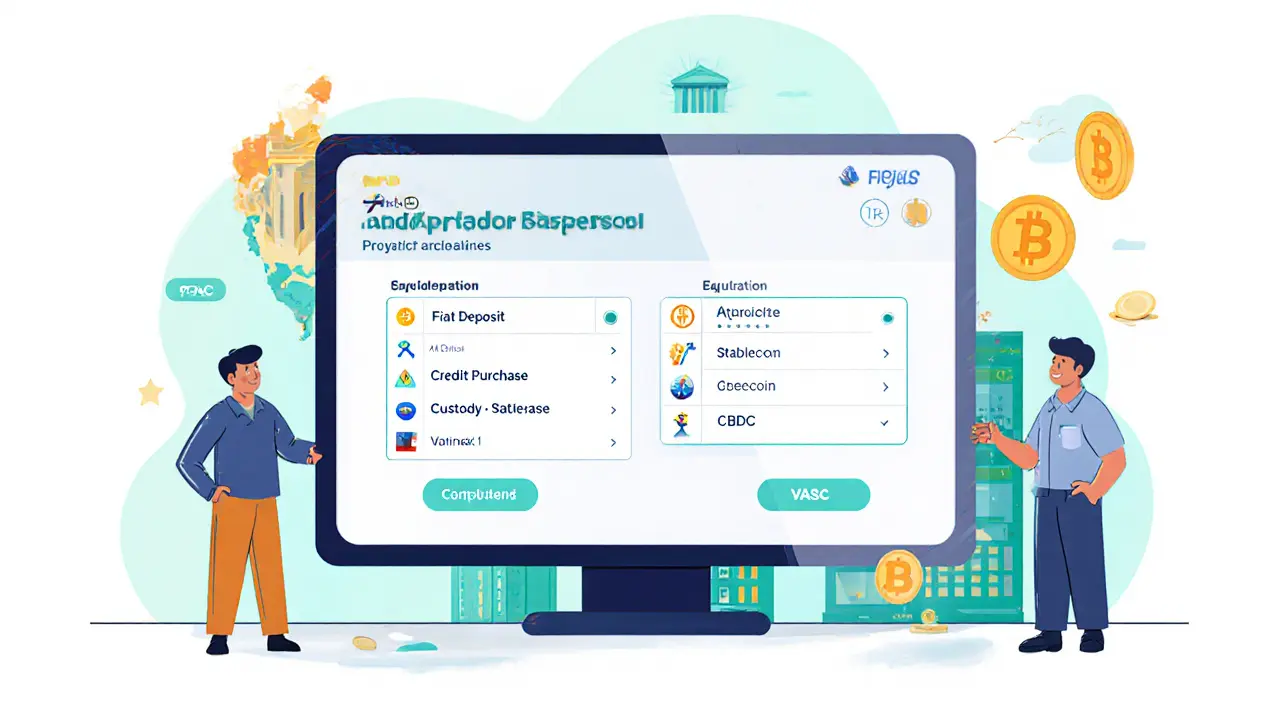
A clear guide to Taiwan's selective banking crypto restrictions, covering VASP registration, stablecoin plans, CBDC prospects, and how users can navigate the rules.
Categories
 Finance
Archives
Recent-posts

What is Quoll Finance (QUO) Crypto Coin? A Realistic Look at the Project Today
Nov, 17 2025

In‑Depth LYOTRADE Crypto Exchange Review: Risks, Performance, and Alternatives
Jul, 4 2025

Bitfinex Crypto Exchange Review 2025: Pros, Cons, and Who It’s Really For
Dec, 5 2025
Drift Protocol Crypto Exchange Review: Speed, Smart Margin, and Solana Power
Dec, 15 2025

Dogs Of Elon (DOE) Airdrop Guide: How to Claim, Staking Details & Price Outlook
Jul, 30 2026