

Blockchain Use Cases: Real-World Applications You Can't Ignore
When we talk about blockchain, a distributed digital ledger that records transactions across many computers so that any involved record cannot be altered retroactively. Also known as distributed ledger technology, it's not just the backbone of Bitcoin—it’s becoming the invisible engine behind everyday systems you might already be using.
Take smart contracts, self-executing agreements with rules written directly into code. These aren’t theoretical. They’re used in real estate deals in places like Georgia to cut out middlemen, and in insurance claims on the Ethereum network to pay out automatically when flight delays hit. No paperwork. No waiting. Just code doing what it’s told.
And it’s not just finance. supply chain tracking, the process of recording every step of a product’s journey from factory to shelf—is being run on blockchain by Walmart, Maersk, and even small organic food brands. Want to know if your avocado came from a farm that uses pesticides? Blockchain lets you scan a code and see its full history. No guesswork. No greenwashing.
Healthcare is another quiet winner. Hospitals in Estonia use blockchain to store patient records securely so only authorized providers can access them. Your medical history isn’t locked in one system—it moves with you, encrypted and tamper-proof. In the U.S., companies are testing blockchain to verify drug authenticity, stopping fake pills from entering the supply chain before they reach your medicine cabinet.
Even voting is getting a blockchain upgrade. West Virginia tested it for overseas military voters in 2018. Switzerland’s city of Zug lets residents vote on local issues using a blockchain app. It’s not perfect yet, but the point isn’t perfection—it’s transparency. You can audit the results. No black boxes.
What you’ll find in this collection aren’t hype pieces or speculative whitepapers. These are real, working examples. From fan tokens tied to soccer clubs like IBFK and YMS, to gaming tokens like WOAS and EPICHERO that use blockchain for true ownership, to tools like mempools and digital signatures that keep everything running smoothly—you’ll see how blockchain isn’t just a buzzword. It’s a tool. A quiet one. But one that’s already changing how things get done.
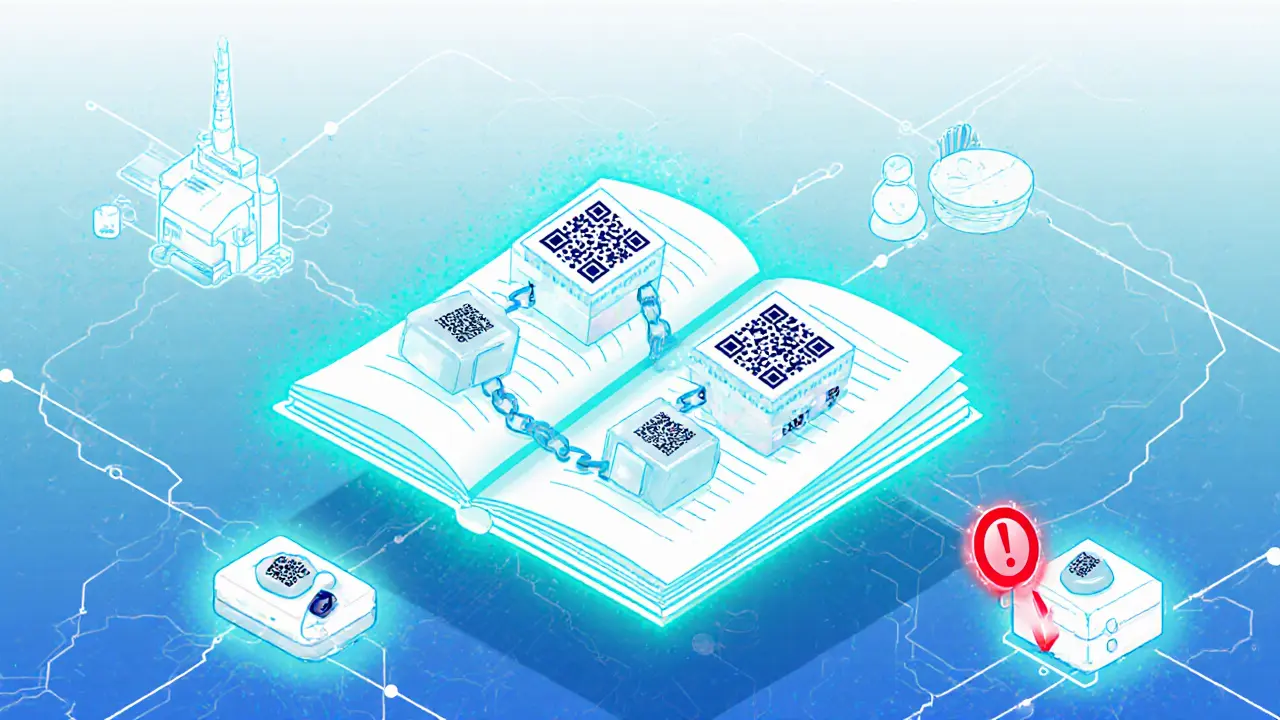
Blockchain offers trust without intermediaries but comes with slow speeds, high costs, and complex implementation. Learn where it works, where it fails, and what real companies are doing with it today.
Categories
 Finance
Archives
Recent-posts
India’s 30% Crypto Tax Explained: A Bitcoin Trader’s Guide
Oct, 10 2025
What is CZodiac Farming Token (CZF) crypto coin? The truth behind a nearly worthless token
Nov, 11 2025
P2P Crypto Trading in Bangladesh: How It Works Despite the Ban
Dec, 18 2025
Privacy Technology vs Surveillance Technology Arms Race in Crypto
Feb, 11 2026
GCOX Crypto Exchange Review: Is This Platform Safe or a Scam?
Nov, 20 2025