

Blockchain Supply Chain: How Transparency Is Changing How Goods Move
When you buy a coffee bean, a pair of sneakers, or a medicine bottle, you rarely know where it came from—or if it was handled the way it should be. That’s where blockchain supply chain, a system that records every step of a product’s journey on a shared, unchangeable digital ledger. Also known as blockchain logistics, it’s not just tech hype—it’s what companies like Walmart, Maersk, and Nestlé are using right now to track food safety, stop counterfeits, and cut waste.
Traditional supply chains are messy. Paper receipts get lost. Spreadsheets get edited. A shipment might pass through ten different hands, and no one has a single truth about where it is or what condition it’s in. A blockchain supply chain, a system that records every step of a product’s journey on a shared, unchangeable digital ledger. Also known as blockchain logistics, it’s not just tech hype—it’s what companies like Walmart, Maersk, and Nestlé are using right now to track food safety, stop counterfeits, and cut waste. fixes that by giving every participant—farmers, shippers, customs agents, retailers—a live, tamper-proof view of the same data. If a box of spinach is contaminated, you don’t wait days to trace it back—you know exactly which farm, which truck, which warehouse it touched. No guesswork. No blame games.
This isn’t just about big corporations. Smaller brands are using it to prove their claims—like fair trade coffee or ethically mined gold—without relying on third-party audits that can be bought or faked. And it’s not just about products. It’s about trust. When a consumer scans a QR code on a product and sees its full history—from raw material to shelf—they start believing the brand. That’s the real value.
But blockchain supply chain isn’t magic. It needs good data coming in. If someone manually types in a fake origin, the blockchain will just record the lie. That’s why it works best when paired with IoT sensors, barcode scanners, or digital certificates that auto-feed real-time info. It also needs buy-in from everyone in the chain. One company using it alone won’t fix the whole system.
What you’ll find here are real examples of how this tech is being used—and how it’s failing. You’ll see deep dives into cases where blockchain stopped counterfeit drugs in Africa, where it cut shipping delays by 40%, and where it fell apart because no one bothered to train the workers at the port. There’s no fluff. Just what works, what doesn’t, and what you need to know if you’re tracking goods, investing in logistics tech, or just tired of being lied to about where your stuff comes from.
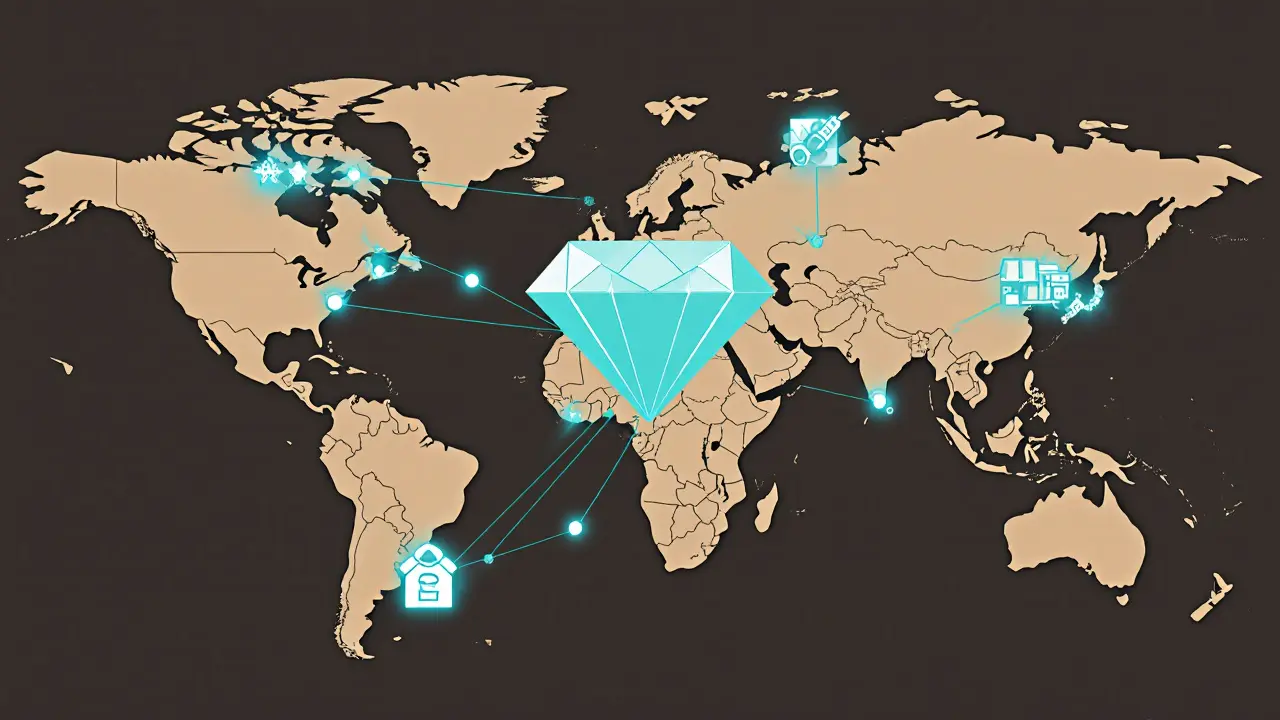
NFTs are transforming global supply chains by providing unbreakable digital identities for products, reducing counterfeits, improving traceability, and automating payments. Learn how luxury brands, pharma, and logistics firms are using blockchain to build trust.
Categories
 Finance
Archives
Recent-posts
RichQUACK x CMC Airdrop: What You Need to Know About the QUACK Token Distribution
Feb, 22 2026
Wrapped Oasys (WOAS) Explained: What It Is, How It Works, and Why It Matters
Oct, 24 2025

Winstex Crypto Exchange Review: Is It Safe or a Scam in 2026?
Aug, 10 2026
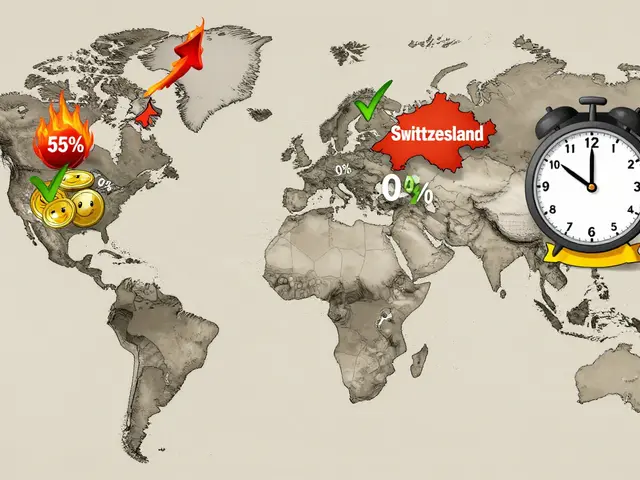
Crypto Tax Rates by Country: Where You Pay the Most and Least in 2026
Jan, 22 2026
VERSE Airdrop Details: How VerseWar and CoinMarketCap Plan the VERSE Token Giveaway
Sep, 7 2025