

Blockchain Benefits: Why Decentralization Matters for Crypto and Finance
When you hear blockchain, a distributed digital ledger that records transactions across many computers so that no single entity controls the data. Also known as distributed ledger technology, it’s the backbone of Bitcoin, Ethereum, and thousands of other crypto projects. It’s not just about cryptocurrency—it’s about how trust works in the digital world. Traditional systems rely on banks, governments, or big tech companies to verify your transactions. Blockchain cuts them out. That’s the core benefit: decentralization. No middleman means lower fees, faster transfers, and less risk of censorship or failure.
One of the biggest blockchain benefits, the ability to create tamper-proof records that anyone can verify without needing permission is transparency. Every transaction on a public blockchain like Bitcoin or Ethereum is visible to everyone. That doesn’t mean your identity is exposed—it means the movement of value is open to audit. This is why institutions are testing blockchain for supply chains, voting systems, and even land registries. You can’t fake a record that’s locked into thousands of computers worldwide.
Then there’s smart contracts, self-executing code that runs automatically when conditions are met, without human intervention. These aren’t legal documents—they’re programs. If you send ETH to a contract that says "pay me $100 when the price hits $2,000," it happens. No lawyer. No bank. No delays. That’s how DeFi platforms lend money, trade tokens, or pay out insurance claims without any human touch. It’s not perfect—bugs happen—but it’s faster and cheaper than traditional finance.
And let’s not forget transparent ledger, an unchangeable, public record of all transactions that anyone can inspect in real time. This isn’t just for crypto traders. Imagine a farmer in Kenya proving his coffee beans came from his farm, or a donor in the U.S. tracking every dollar they sent to a charity—no middlemen altering the trail. That’s the power of an immutable ledger. It’s why companies like Walmart and Maersk use blockchain for logistics. They don’t trust each other. But they trust the data.
These benefits aren’t theoretical. They show up every day in the posts below: how a mempool delay affects your Bitcoin fee, why a fan token like IBFK works on blockchain, how digital signatures like ECDSA keep your assets safe, and how a crypto exchange like AjuBit uses non-custodial tech to give users full control. You’ll see real examples of blockchain in action—from gaming tokens to tax rules to airdrops. No fluff. No hype. Just how the technology actually works—and why it’s changing things for real people, not just investors.
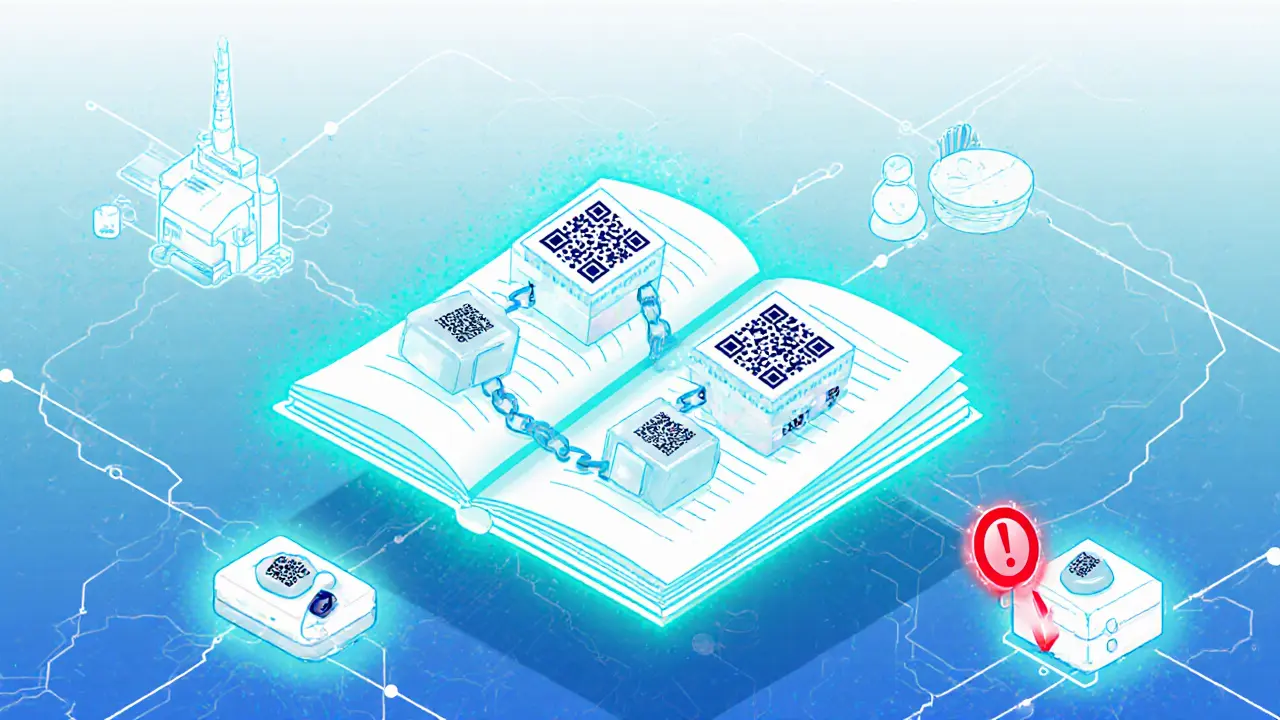
Blockchain offers trust without intermediaries but comes with slow speeds, high costs, and complex implementation. Learn where it works, where it fails, and what real companies are doing with it today.
Categories
 Finance
Archives
Recent-posts
Pangea Swap Review: Klaytn DEX with Concentrated Liquidity
Jul, 22 2025

What is The Professor (LAB) crypto coin? The low-cap meme coin on Solana explained
Feb, 16 2026

ACMD X CMC Airdrop Details: Claim Guide, Tokenomics & Risks
Apr, 1 2025
FEAR Play2Earn NFT Tickets Airdrop Explained: Details, Rewards, and Timeline
Dec, 29 2024
SecondBTC Crypto Exchange Review 2025 - Fees, Coins, Security
Jul, 28 2025