

Bitfinex Security: What Really Happened and What It Means for Your Crypto
When you think of Bitfinex security, a major cryptocurrency exchange that once ranked among the top globally, known for high liquidity and advanced trading tools. Also known as Bitfinex exchange, it was a go-to platform for serious traders—until its security collapsed in 2016. That year, hackers stole nearly 120,000 BTC, worth over $70 million at the time. It wasn’t just a breach. It was a systemic failure: weak internal controls, outdated systems, and a lack of real-time monitoring. The fallout didn’t just hurt users—it shook the entire crypto industry’s trust in centralized exchanges.
After the hack, Bitfinex didn’t disappear. It survived by restructuring, introducing a token (BFX) to cover losses, and slowly rebuilding. But the damage to its reputation stuck. Even today, when people talk about crypto exchange security, the standards and practices exchanges use to protect user funds from hackers, insiders, and fraud. Also known as exchange security, it’s measured by cold storage use, multi-sig wallets, insurance, and audit transparency, Bitfinex is still a cautionary tale. It didn’t have enough separation between hot and cold wallets. It didn’t verify withdrawal requests properly. And when the breach happened, they took weeks to respond. Compare that to today’s top exchanges like Kraken or Coinbase, which use hardware security modules, regular third-party audits, and user-controlled withdrawal whitelists. Bitfinex’s mistakes became the blueprint for what NOT to do.
What’s even more telling is how other exchanges reacted. After Bitfinex, platforms started requiring KYC, adding insurance funds, and publishing proof-of-reserves. The crypto exchange risks, the potential for loss due to hacking, insider fraud, regulatory crackdowns, or poor management. Also known as exchange risk, it’s no longer just a theoretical concern—it’s a daily calculation every trader must make became part of every trading decision. You don’t just pick an exchange based on fees or coin selection anymore. You ask: Where are the funds stored? Has it been audited? Is there insurance? Did they recover from past breaches cleanly? The answers to these questions now determine whether you sleep well at night.
That’s why the posts you’ll find below matter. They don’t just list exchanges—they break down what’s real and what’s risky. You’ll see how BiKing, CEEX, and GCOX mirror Bitfinex’s early failures. You’ll find out why Chronos and CBX are red flags. And you’ll learn how to spot the difference between a platform that’s secure and one that’s just pretending to be. This isn’t about fear. It’s about awareness. And if you’ve ever held crypto on an exchange, you need to know what happened to Bitfinex—and why it still matters today.

Bitfinex is a powerful crypto exchange for experienced traders, offering deep liquidity, low-latency trading, and advanced features-but it's not for beginners. Learn the real pros, cons, and who should use it in 2025.
Categories
 Finance
Archives
Recent-posts
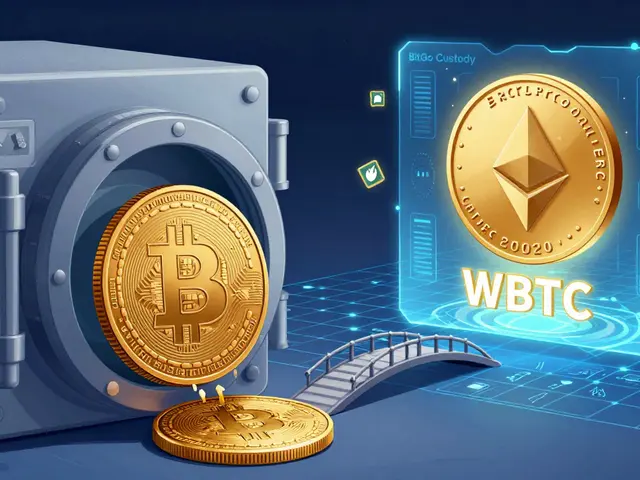
How Wrapped Bitcoin (WBTC) Works: The Complete Guide to Tokenized Bitcoin on Ethereum
Jan, 23 2026

How Virtual Land Ownership Works in the Blockchain Metaverse
Jan, 11 2025
What is ShibaCorgi (SHICO) crypto coin? Explained with real price, supply, and risks
Nov, 8 2025

LFW x CMC NFT Airdrop: How to Get Your Free NFT from Linked Finance World
Nov, 19 2025

Ripio Crypto Exchange Review: Best for Latin America, Not Everywhere
Feb, 1 2026