

Bitcoin Tax Germany: What You Need to Know About Crypto Taxes in Germany
When you buy or sell Bitcoin, a decentralized digital currency that operates on a public blockchain network. Also known as BTC, it is treated as private money by German tax authorities. That means it’s not considered legal tender, but it’s also not treated like stocks or traditional assets. The key thing to remember: if you hold Bitcoin for more than one year, you don’t pay any tax when you sell it. But if you sell within that first year, you owe capital gains tax—unless your profit is under €600.
Germany’s approach to crypto tax, the set of rules governing how digital assets like Bitcoin, Ethereum, and altcoins are reported and taxed by national revenue agencies is one of the most crypto-friendly in Europe. The German Federal Central Tax Office, the national agency responsible for collecting taxes and enforcing tax laws across Germany doesn’t care about how much Bitcoin you own—it cares about what you do with it. Trading Bitcoin for euros? That’s a taxable event. Swapping Bitcoin for another crypto like Ethereum? Also taxable. But holding it? No problem. Even if your Bitcoin goes from €10,000 to €50,000, you won’t pay a cent until you cash out—unless you’re within that first 12-month window.
Here’s the catch: you need to keep records. Every single trade, every wallet address, every timestamp. The German tax office doesn’t ask for your private keys, but they do expect you to prove your transactions if they audit you. That means saving screenshots of your exchange history, noting the purchase price in euros, and tracking the sale date. Many Germans use free tools like Koinly or CoinTracker to auto-import trades from Binance, Kraken, or Bitpanda. If you’re just buying and holding, you’re fine. But if you’re actively trading, you’re in reporting territory.
What about airdrops or staking rewards? Those count as income. If you get 0.5 ETH as a reward for staking, that’s taxable as ordinary income at the time you receive it—based on its euro value then. Same with free tokens from a promo. The German tax office treats them like a bonus payment. And if you’re a freelancer or business owner accepting Bitcoin for services? That’s business income. You report it in your annual tax return under Einkünfte aus Gewerbebetrieb or Einkünfte aus selbständiger Tätigkeit.
There’s no special crypto tax form in Germany. You file everything under your regular income tax return (Einkommensteuererklärung), using Annex SO for capital gains. The good news? After one year, Bitcoin becomes tax-free forever. That’s why so many Germans hold through the volatility—they’re not trying to time the market. They’re just waiting out the clock.
Below, you’ll find real-world breakdowns of how others handled their crypto taxes in Germany. Some saved thousands by holding long-term. Others got caught because they didn’t track small trades. You’ll see what works, what doesn’t, and what the German tax office actually checks for. No theory. No fluff. Just what you need to stay compliant and keep more of your crypto gains.
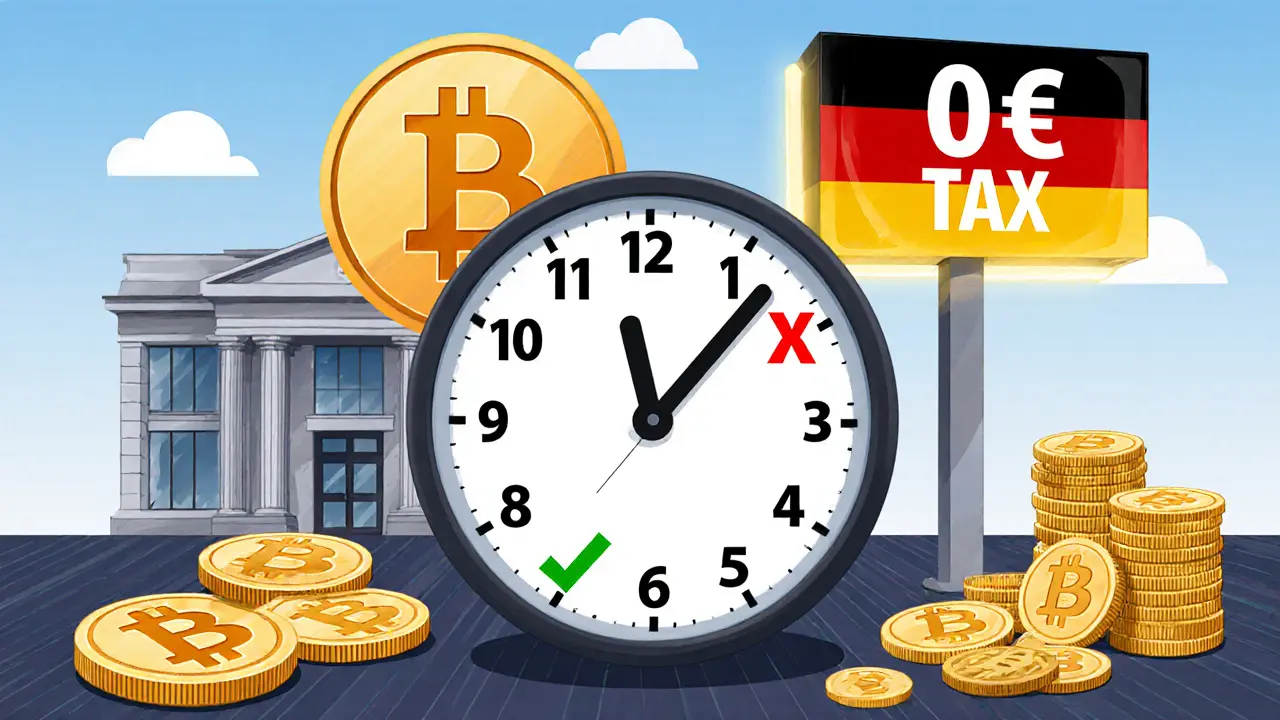
Germany offers a 12-month crypto tax exemption for Bitcoin and other digital assets, making it one of Europe’s most favorable tax environments for long-term holders. Learn how it works, who it benefits, and what risks remain.
Categories
 Finance
Archives
Recent-posts

Different Variations of Proof of Stake Explained: How Ethereum, Cardano, and Others Validate Blocks
Jan, 4 2026
What is Sakai Vault (SAKAI) Crypto Coin? Real Performance, Risks, and Current Status
Jan, 20 2026

Pangea Swap Review: Klaytn DEX with Concentrated Liquidity
Jul, 22 2025

1MillionNFTs (1MIL) airdrop details and how to verify the Monad “1 Million Nads” NFT
Oct, 19 2025

Ancient Raid (RAID) NFT Mega Airdrop: How to Participate and What You Need to Know
Nov, 9 2025