
You are looking for a RightBTC review because you either have funds stuck there or you found an old tutorial recommending it. Here is the hard truth you need to hear right now: RightBTC is dead.
It is not just "slow" or "under maintenance." The platform has been classified as defunct by multiple authoritative tracking services like CryptoWisser and ICORankings. If you are trying to log in, trade, or withdraw money from RightBTC today, you will find an empty shell. There are no active markets, no customer support, and critically, no transparency regarding user reserves.
This article isn't just about why RightBTC failed; it’s about how to protect your assets from similar traps in 2026. We will break down what happened to this once-popular exchange, analyze the red flags that appeared before its collapse, and give you a concrete list of safe, regulated alternatives where your money actually stays yours.
The Current Status: Why RightBTC Is Listed as "Dead"
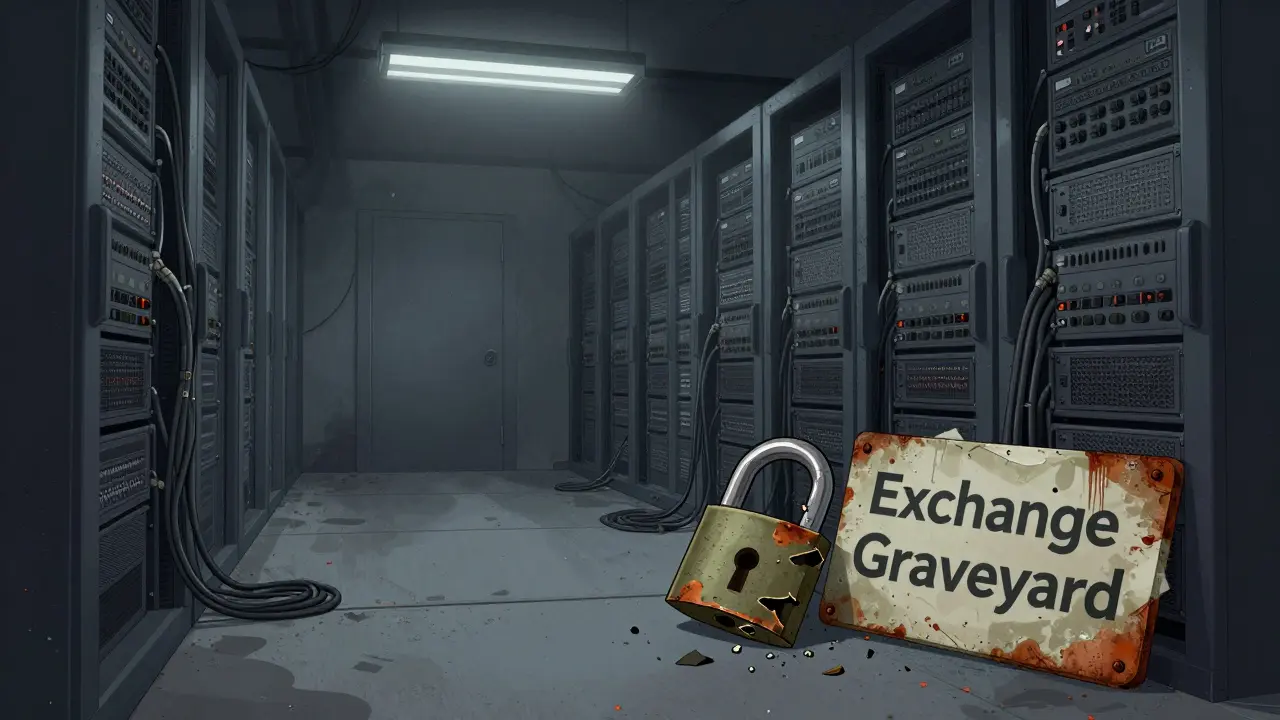
To understand the severity of the situation, we need to look at how industry experts define a "dead" exchange. It’s not just a server error. When platforms like CryptoWisser mark an exchange as part of their "Exchange Graveyard," they use specific criteria:
- Website Inaccessibility: The domain may still exist, but the trading engine is offline.
- Zero Trading Volume: No buys or sells are happening. An exchange without volume is a parking lot, not a marketplace.
- No Reserve Transparency: This is the biggest red flag. After the FTX collapse in 2022, legitimate exchanges began publishing Proof-of-Reserves (PoR) audits. RightBTC stopped doing this years ago.
ICORankings, a service that tracks exchange health, describes RightBTC as "empty." They note the absence of any recent user engagement or technical updates. For anyone holding assets on the platform, this means those coins are likely inaccessible. In the world of centralized finance, if the exchange doesn't have the keys, neither do you-and if the exchange disappears, your access goes with it.
What Was RightBTC? A Look Back at Its Peak
Founded in 2014, RightBTC was a centralized cryptocurrency exchange that aimed to serve both novice and experienced traders during the early boom of digital assets. At its height, it claimed to be a regular in the top 25 crypto exchanges by volume. It offered a simple interface, 24/7 customer support, and a straightforward fee structure.
Back then, the crypto market was wilder. Security standards were lower, and regulation was almost non-existent. RightBTC charged a flat 0.2% fee on all trades. This was simpler than the maker/taker models used by giants like Binance, which appealed to beginners who didn't want to calculate complex fees. The design was praised for being clean and intuitive, making it easy to buy Bitcoin or Litecoin without navigating a confusing dashboard.
However, simplicity often masks underlying fragility. While RightBTC focused on ease of use, it lacked the deep liquidity and robust security infrastructure required to survive the volatile cycles of the crypto market. As the industry matured, exchanges that didn't invest heavily in compliance and technology started to fade away.
Why Did RightBTC Fail? Analyzing the Collapse
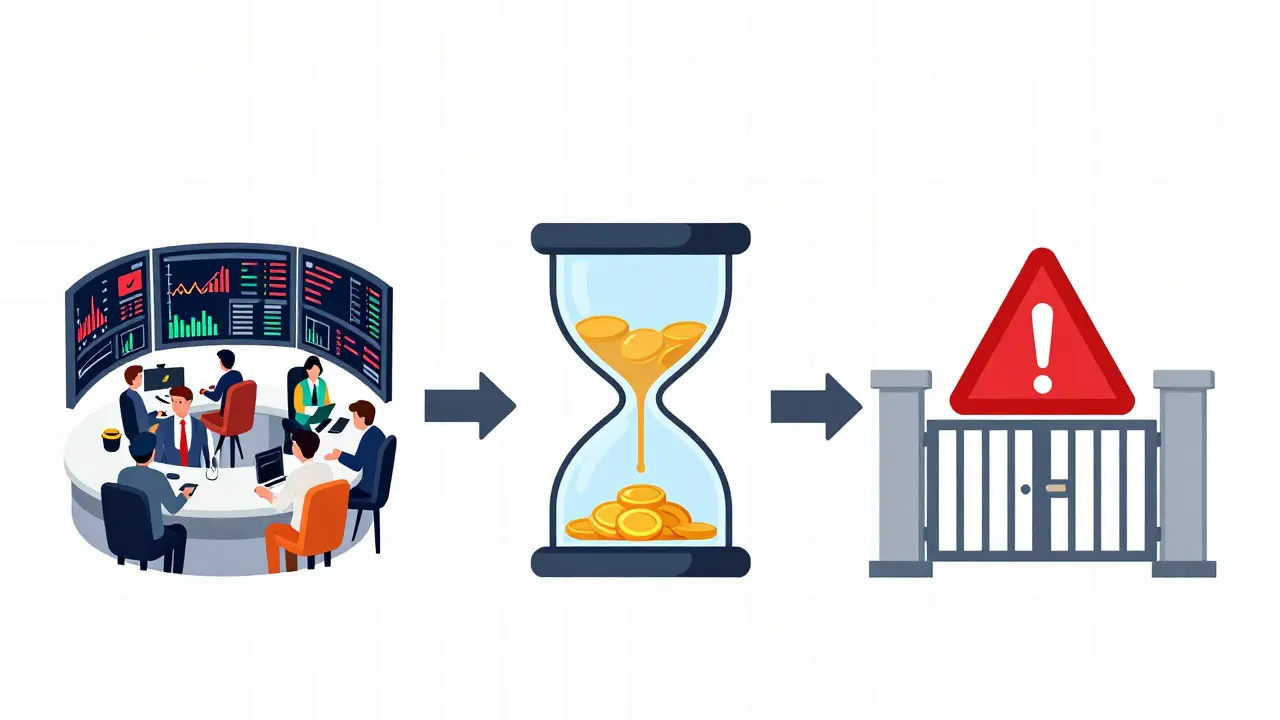
Exchanges don't usually fail overnight due to a single hack. More often, they succumb to a slow bleed caused by poor business practices. Based on data from Chainalysis and industry reports, here is the typical lifecycle of a mid-tier exchange failure like RightBTC:
- Liquidity Drain: As major players like Coinbase and Kraken grew, users migrated to platforms with deeper order books. Tighter spreads meant better prices. RightBTC’s volume dropped, making it harder to execute large trades.
- Regulatory Pressure: Starting around 2018, governments began cracking down on unregistered exchanges. Compliance costs skyrocketed. Coinbase spent over $150 million annually on compliance by 2023. Smaller exchanges couldn't afford these legal teams.
- The Trust Deficit: Without regular Proof-of-Reserves audits, users got nervous. When the FTX scandal broke in late 2022, it triggered a mass exodus from any exchange that wasn't fully transparent. RightBTC had no such transparency.
According to a Cambridge Centre for Alternative Finance study, approximately 83% of failed exchanges provide no mechanism for user fund recovery. RightBTC fits this profile. There is no evidence of a bankruptcy proceeding or a plan to return assets. The silence from the company is deafening.
Red Flags: How to Spot a Dying Exchange Early
You can’t bring RightBTC back to life, but you can ensure you don’t park your money on the next one. Here are the specific warning signs that an exchange is heading toward the graveyard:
- Sudden Withdrawal Limits: If an exchange suddenly says you can only withdraw $100 per day, they are likely managing a cash flow crisis.
- Disappearing Customer Support: Live chat agents go offline. Email responses take weeks instead of hours. Ticket systems stop updating.
- Outdated Software: The app crashes frequently. The website hasn’t been updated in months. New cryptocurrencies aren’t listed.
- No Social Media Presence: Check their Twitter or Telegram. Are they posting daily updates? Or is the last post from six months ago?
- Missing Audits: Does the exchange publish monthly Proof-of-Reserves? If not, assume they might not have your money.
If you see three or more of these signs, move your assets immediately. Don’t wait for the official announcement of closure-by then, it’s too late.
Safe Alternatives to RightBTC in 2026
Since RightBTC is no longer an option, you need a reliable place to store and trade your crypto. In 2026, the standard for safety includes regulatory licenses, public audits, and insurance funds. Here are three top-tier alternatives that meet these criteria:
| Feature | RightBTC (Defunct) | Coinbase | Kraken | Binance |
|---|---|---|---|---|
| Status | Closed / Dead | Active / Publicly Traded | Active / Regulated | Active / Global Leader |
| Proof of Reserves | No | Yes (Monthly) | Yes (Regular Audits) | Yes (Merkl Tree Proofs) |
| Regulation | None | US Licenses (49 States) | Global Compliance Teams | Multi-Jurisdiction Licenses |
| Fees (Spot Trade) | 0.2% (Flat) | Variable (0.4% - 0.6%) | 0.16% Maker / 0.26% Taker | 0.1% Maker / 0.1% Taker |
| User Protection | None | Insurance on Custodial Assets | Strong Security Protocols | SAFU Insurance Fund |
Coinbase is the safest bet for US-based users. Being a publicly traded company (NASDAQ: COIN) means they are subject to strict financial reporting laws. They cannot hide missing assets easily.
Kraken has built a reputation on security and transparency. They were one of the first to implement rigorous proof-of-reserves protocols after the 2022 industry crash. Their fees are competitive, especially for makers.
Binance remains the largest exchange by volume globally. While it faces regulatory hurdles in some regions, its liquidity is unmatched. If you need to trade large amounts quickly, Binance offers the deepest order books.

What Should You Do If You Had Funds on RightBTC?
I know this is painful, but you need to act realistically. Since RightBTC is classified as "dead" with no active management, the chances of recovering your funds are extremely low. However, follow these steps to close the loop:
- Document Everything: Take screenshots of your account balance, transaction history, and any email confirmations from when the platform was active. Save these files locally and in the cloud.
- Check for Legal Proceedings: Search news databases for "RightBTC bankruptcy" or "RightBTC lawsuit." Sometimes, if a formal bankruptcy case is filed, creditors can file claims. If there is no case, there is no legal path to recovery.
- Secure Your Remaining Accounts: If you used the same password or email for other exchanges, change them immediately. Hackers often target users of defunct platforms because they know those users are vulnerable and less tech-savvy.
- Accept the Loss: Treat this as a tuition fee for learning about crypto security. Write it off mentally and focus on securing your future investments.
Moving Forward: Best Practices for Crypto Storage
The lesson from RightBTC is clear: Not your keys, not your coins. Centralized exchanges are convenient for trading, but they should never be your long-term storage solution. Here is how to protect yourself in 2026:
- Use Hardware Wallets: For significant holdings, move your crypto to a hardware wallet like Ledger or Trezor. These devices keep your private keys offline, immune to exchange hacks or closures.
- Diversify Exchanges: Don’t keep all your tradable assets on one platform. Split them between two reputable, regulated exchanges. If one fails, you don’t lose everything.
- Enable 2FA: Use an authenticator app (like Google Authenticator or Authy) for two-factor authentication. Never use SMS 2FA, as it can be intercepted via SIM-swapping attacks.
- Monitor Regularly: Check your exchange accounts weekly. Verify that your balances match your records. If something looks off, contact support immediately.
The crypto market is maturing. The days of "wild west" exchanges are fading, replaced by institutions that prioritize compliance and security. By choosing established platforms and taking control of your own keys, you remove the risk of losing your life savings to a vanished website.
Is RightBTC still operational in 2026?
No, RightBTC is not operational. It has been classified as defunct by multiple industry trackers like CryptoWisser and ICORankings. The platform has no active markets, no customer support, and no reserve transparency.
Can I recover my funds from RightBTC?
Recovery is highly unlikely. Studies show that 83% of failed exchanges offer no mechanism for fund recovery. Unless there is an active bankruptcy proceeding or legal settlement, users typically lose their assets completely.
Why did RightBTC shut down?
RightBTC likely failed due to a combination of declining liquidity, inability to meet rising regulatory compliance costs, and lack of transparency. Unlike major exchanges, it did not implement Proof-of-Reserves audits, leading to a loss of user trust.
What are the safest crypto exchanges in 2026?
The safest exchanges include Coinbase (publicly traded, highly regulated), Kraken (known for security and audits), and Binance (largest liquidity). All three provide regular Proof-of-Reserves and have robust compliance teams.
How can I tell if a crypto exchange is failing?
Watch for red flags like sudden withdrawal limits, unresponsive customer support, outdated software, lack of social media activity, and absence of regular Proof-of-Reserves audits. If you see multiple signs, move your funds immediately.
 Finance