

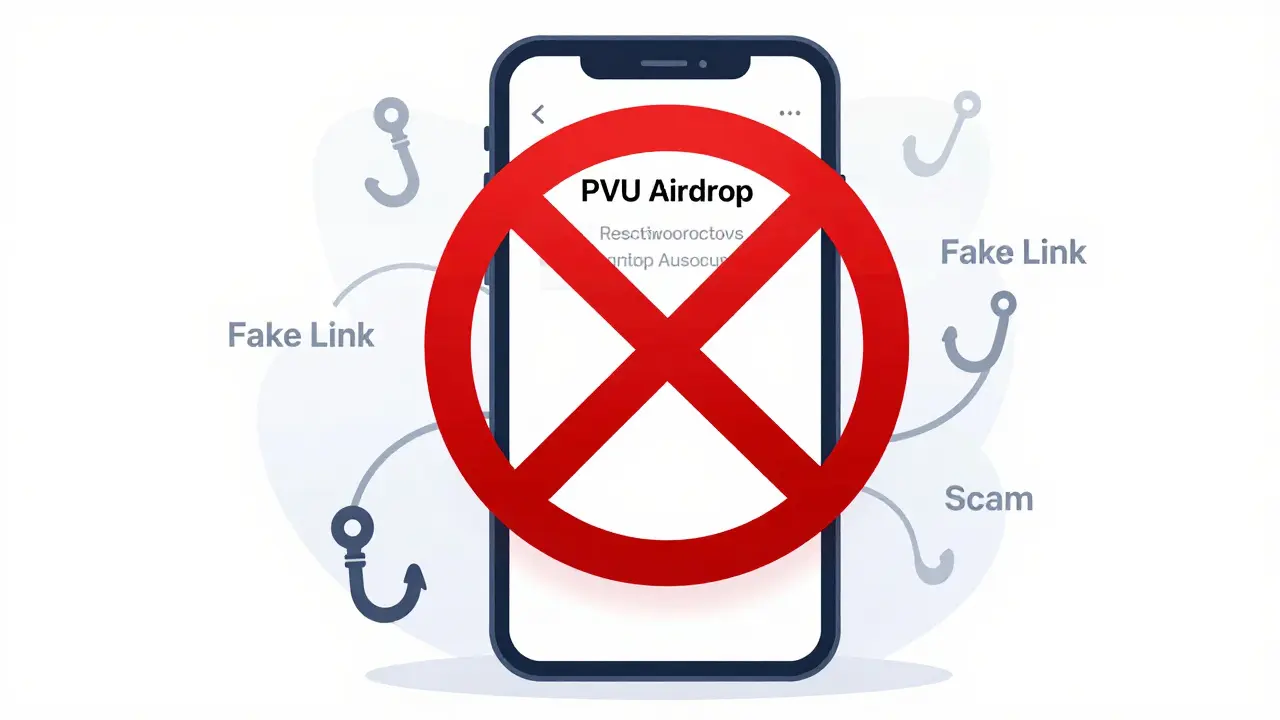
You see a shiny new announcement about the PVU Event airdrop by Plant Vs Undead. It promises free tokens for joining the "BSC MVB III" program. Your heart races. You imagine the profit. But before you click that link or send a single satoshi, stop. Take a deep breath. In the world of Binance Smart Chain (BSC) gaming tokens, not every promise is gold. Some are lead-and some are poison.
As of mid-2026, there is no verified, official documentation from the core Plant vs Undead development team confirming a specific "BSC MVB III PVU Event airdrop." The term "MVB" usually refers to Binance’s Most Valuable Builder program, a prestigious tier for top-tier projects. However, linking this elite status to a random PVU airdrop claim raises immediate red flags. This article breaks down what is real, what is likely a scam, and how you can protect your wallet while still participating in legitimate Plant vs Undead activities.
The Reality Check: Does the BSC MVB III Airdrop Exist?
Let’s get straight to the point. If you are looking for a button to click that instantly deposits thousands of PVU tokens into your MetaMask wallet because you joined an "MVB III" group, you will be disappointed. More importantly, you might be targeted.
Research into current blockchain data and official Plant vs Undead channels reveals a stark contrast between hype and reality. There is no whitepaper update, no GitHub commit, and no official Telegram announcement from the verified PVU team detailing a "BSC MVB III" airdrop structure. Instead, what circulates on social media and unofficial wikis often follows a dangerous pattern.
Scammers love to borrow the credibility of big names. By attaching "BSC" (Binance Smart Chain) and "MVB" (Most Valuable Builder) to the name of an older, well-known game like Plant vs Undead, they create a facade of legitimacy. They know you trust the brand. They exploit that trust. The absence of official verification is not just a missing detail; it is the most important detail.
Identifying the Red Flags: Common PVU Scam Tactics
If you have encountered a site or message promising this airdrop, look closely at the requirements. Legitimate airdrops from reputable projects rarely ask you to pay upfront fees to receive tokens. Here are the specific traps associated with fake PVU events:
- The "Send to Receive" Trap: One prevalent scheme asks users to send between 200 to 3,000 PVU tokens to a specific address (often cited as
0xc0c3465Fdc5aD466b807dddE629C3C20224007Be) with the promise of receiving 2,000 to 30,000 PVU back. This is mathematically impossible for a sustainable project and is a classic theft mechanism. Once you send the tokens, they are gone forever. - Unofficial Sources: Claims often originate from fan wikis, anonymous Twitter accounts, or Discord servers that are not linked from the official Plant vs Undead website. Always check the URL. Is it `plantvsundead.com`? Or is it a lookalike domain like `pvu-airdrop-bonus.net`?
- Urgency and Exclusivity: Messages claiming "Only 100 spots left" or "Claim within 1 hour" are designed to bypass your critical thinking. Real distribution events take time to verify wallets and distribute funds fairly.
The token itself, PVU, a BEP20 utility token used within the Plant vs Undead ecosystem, has seen significant volatility. With a market cap that fluctuates widely and trading volumes that can dip below $30,000 daily, the incentive for scammers to create fake liquidity events is high. They prey on hope during periods of low price action.
Understanding the Real Plant vs Undead Ecosystem
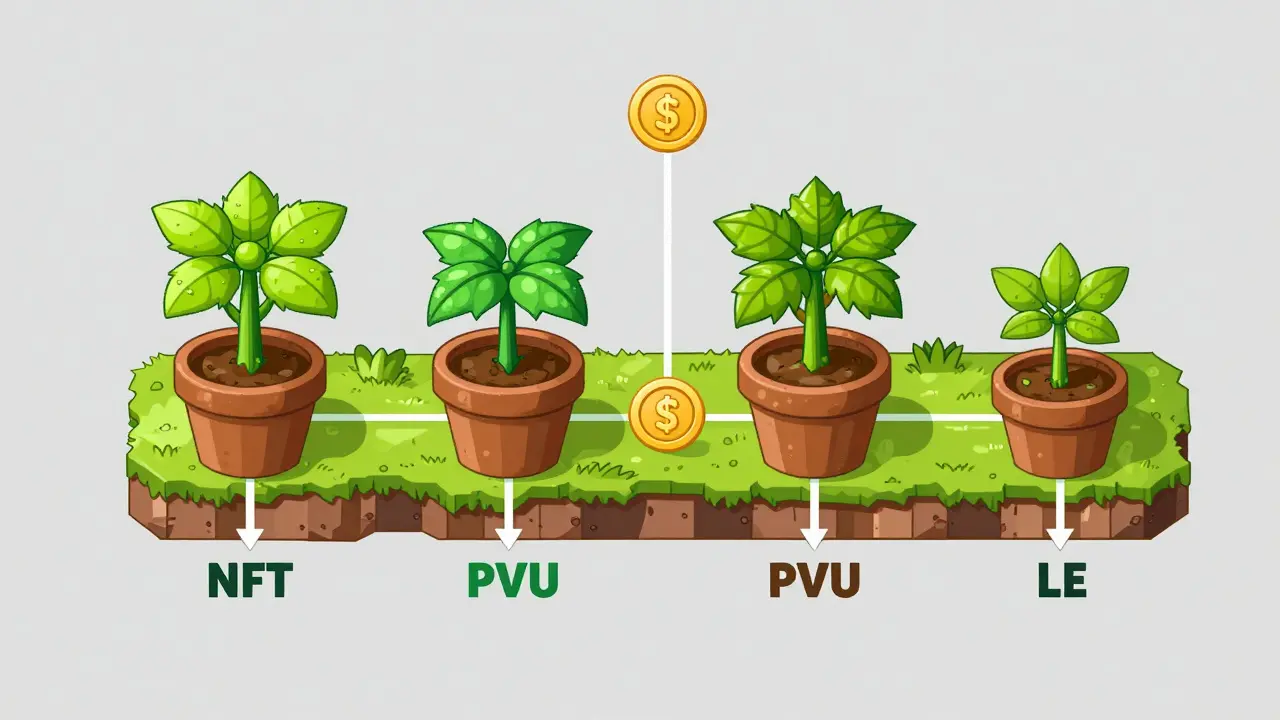
To spot the fake, you must know the real. Plant vs Undead is a play-to-earn blockchain game built on the Binance Smart Chain. Its economy revolves around two main assets: PVU tokens and NFT plants.
In the genuine game, players purchase NFT plants using PVU tokens. These plants are planted on virtual land plots. To maintain them, players use Light Energy (LE) tokens. LE is earned through gameplay and can be exchanged for PVU or used to buy farming tools like pots and water. The core loop involves:
- Purchasing NFTs with PVU.
- Farming LE through daily interactions.
- Using LE to sustain plants or swap for more PVU.
- Participating in seasonal cycles (e.g., Year 36, Year 37) which reset certain in-game items but preserve long-term asset value.
This system is complex and requires active participation. It does not rely on passive "click-and-get-rich" airdrops. Any event claiming to bypass this effort is contradicting the fundamental design of the game.
How to Verify Official PVU Announcements
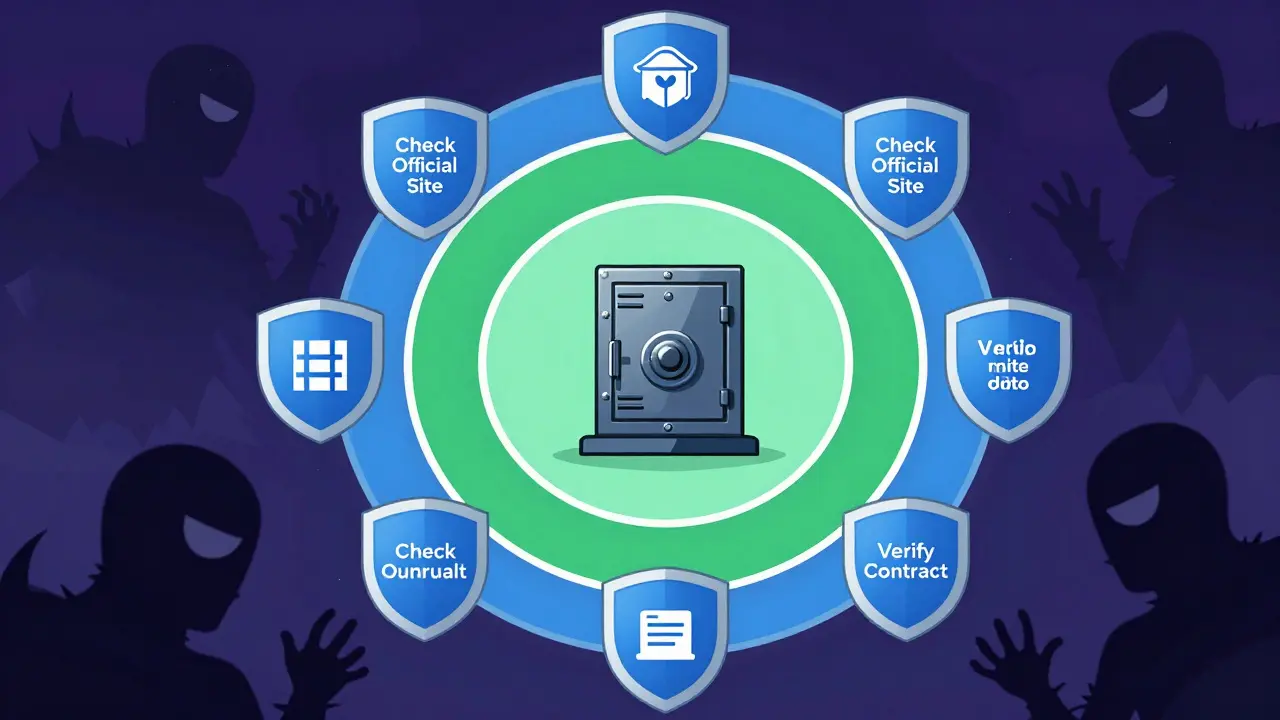
Never trust a screenshot. Screenshots can be faked in seconds. Instead, follow these steps to verify any future airdrop or event claims:
| Step | Action | Why It Matters |
|---|---|---|
| 1 | Check the Official Website | Look for banners or news sections on the primary domain. Scammers cannot hack the main site easily. |
| 2 | Verify Telegram/Discord Links | Use the links found only on the official website. Do not search for groups on Google. |
| 3 | Cross-Reference Social Media | Does the official Twitter/X account mention it? If only one obscure account talks about it, it’s likely fake. |
| 4 | Analyze the Contract Address | Use BscScan to check if the contract is verified and matches known PVU addresses. Never interact with unverified contracts. |
For example, recent official updates from Plant vs Undead have focused on game cycle transitions, such as moving from Year 36 to Year 37, and beta testing for PvP modes. These announcements come directly from their verified Telegram channel. Noticeably absent from these updates is any mention of a "MVB III" airdrop pool.
Safe Participation Strategies for 2026
If you want to engage with Plant vs Undead safely, focus on the mechanics that actually drive value. Here is how to participate without risking your principal investment:
Play the Game, Not the Rumors: Invest time in understanding the farming mechanics. Learn how weather patterns affect crop yield. Understand the exchange rate between LE and PVU. These are tangible skills that generate returns within the app.
Use a Burner Wallet: When interacting with any new DeFi protocol or game feature, use a separate wallet with minimal funds. Never connect your main savings wallet to unverified dApps. If a site asks for unlimited approval, revoke it immediately using tools like Revoke.cash.
Monitor On-Chain Data: Use platforms like DEXScreener or BscScan to monitor the actual PVU token contract. Look for large sell orders or unusual transaction patterns. If a supposed "airdrop" results in massive outflows from whale wallets, it is likely a dump-and-run scheme.
The Risks of Fake Airdrops Beyond Losing Tokens
Losing a few hundred PVU tokens is painful, but it is not the worst outcome. Engaging with fraudulent airdrop sites poses deeper security threats:
- Wallet Draining: Malicious smart contracts can request permissions to transfer all ERC-20/BEP-20 tokens from your wallet, not just the ones involved in the "event."
- Phishing Attacks: Fake login pages can steal your private keys or seed phrases if you enter them manually.
- Malware Installation: Downloadable "claimers" or browser extensions may install keyloggers or remote access trojans on your device.
These risks extend beyond cryptocurrency. Your personal data, email credentials, and even banking information can be compromised if you fall for sophisticated phishing campaigns disguised as gaming rewards.
Conclusion: Patience Over Greed
The allure of free money is powerful, especially in the volatile crypto space. However, the "BSC MVB III PVU Event airdrop" lacks the foundational evidence required to be considered legitimate. Until you see a direct, verifiable announcement from the Plant vs Undead development team on their official channels, treat all claims as potential scams.
Focus on the actual gameplay. Build your farm. Trade your NFTs wisely. Stay connected to the community through verified sources. In the end, the safest way to earn PVU is to play the game honestly, not to chase phantom airdrops that vanish into thin air.
Is the Plant vs Undead BSC MVB III airdrop real?
There is no official confirmation from the Plant vs Undead team regarding a "BSC MVB III" airdrop. Claims circulating online lack authoritative sources and exhibit characteristics common to cryptocurrency scams, such as requiring upfront token transfers.
What should I do if I already sent tokens to the airdrop address?
If you have sent tokens to an unverified address, unfortunately, blockchain transactions are irreversible. You should immediately change your wallet password, disconnect from any suspicious sites, and consider moving remaining funds to a new, secure wallet. Report the incident to relevant cybersecurity authorities.
How can I verify official Plant vs Undead announcements?
Always refer to the official Plant vs Undead website and their verified Telegram channel. Cross-reference any news with their official Twitter/X account. Avoid links shared in unsolicited messages or unofficial Discord servers.
What is the current price and supply of PVU tokens?
As of mid-2026, PVU trades at approximately $0.0009 with a total supply of 300 million tokens. Market conditions vary, so always check real-time data on trusted aggregators like CoinMarketCap or CoinGecko.
Are there any legitimate ways to earn PVU tokens?
Yes. Legitimate ways include playing the game (farming mode), purchasing and staking NFT plants, and participating in official in-game events announced through verified channels. Avoid any method that requires sending tokens to receive more.
 Finance
Antony Lopez
July 12, 2026 AT 23:00Wake up people. The US leads the world in blockchain security awareness for a reason, and it's because we don't fall for these obvious traps like the rest of the world. You think Binance is going to let some random 'MVB III' scheme slip through without a federal-level audit? Absolutely not. This article is spot on, but honestly, if you're smart enough to be reading this, you should already know better than to click on sketchy links. It’s insulting how many people still think free money exists in crypto.
Josephine Finlayson
July 14, 2026 AT 06:27I completely agree with the sentiment here; it is so important to stay vigilant! I have seen friends get burned by similar schemes before, and it breaks my heart every time. Please remember that legitimate projects will never ask you to send tokens first. Take your time to verify everything through official channels only. Your financial safety matters more than any potential reward.
Tuan Nguyen
July 16, 2026 AT 01:01The sheer ignorance displayed in the comments section of such articles is truly baffling to those of us who actually understand the underlying mechanics of smart contracts. It is not rocket science to check a contract address on BscScan. If you cannot distinguish between a verified source and a phishing site, perhaps you should stick to fiat currency until you educate yourself properly. The market does not care about your feelings or your lack of due diligence.
Hazel Fruitman
July 16, 2026 AT 11:43i mean its pretty obvious when something is too good to be true right? ppl are just so greedy they cant see the red flags waving everywhere. its sad really. we should look out for each other instead of trying to scam our way to riches. kindness costs nothing but greed ruins lives.
Autumn Story
July 17, 2026 AT 02:39This is such a helpful guide!! Thank you for sharing this information. I was actually considering clicking on one of those links yesterday, but now I feel much safer knowing what to look out for. Let's all keep each other safe and sound! Stay strong everyone!
Mark Tuason
July 18, 2026 AT 07:16It is crucial to maintain strict boundaries regarding wallet permissions. I always recommend using a burner wallet for any interaction with new protocols. This minimizes risk significantly. Please ensure you revoke approvals regularly using tools like Revoke.cash. Safety first.
Ella Collinson
July 18, 2026 AT 11:02The semantic structure of these fraudulent campaigns relies heavily on cognitive biases, specifically the scarcity heuristic and authority bias. By leveraging the 'MVB' terminology, scammers exploit the user's pre-existing trust in Binance's ecosystem. A rigorous analysis of the tokenomics reveals no sustainable model for such high-yield returns, indicating a classic Ponzi-like drain mechanism. Users must engage in critical thinking rather than emotional decision-making.
Ray Arney
July 19, 2026 AT 10:07Yeah, definitely sounds fishy. I just stick to playing the game normally. Farming LE and swapping for PVU works fine for me. No need to chase these phantom airdrops.
Andrew Schneider
July 20, 2026 AT 09:54Oh wow, what a surprise! Another day, another scam trying to separate fools from their wallets 🙄. I swear, if I had a dollar for every time someone fell for a 'free token' trick, I'd be richer than Elon Musk 😂. But hey, at least we can laugh while watching others lose their shirts. Keep dreaming, folks! 🎪
Eric Braddock
July 20, 2026 AT 23:13You think this is just a simple scam? Think again. The deep state wants you distracted with these fake airdrops while they consolidate control over the blockchain infrastructure. The 'MVB' label is a psyop to make you trust centralized entities. Wake up sheeple! They are tracking your wallet movements to suppress dissent. Do your own research into the shadowy figures behind Binance.
Nick G
July 21, 2026 AT 07:04In my experience navigating various digital ecosystems across different cultures, I have observed that the universal language of caution is often overlooked in the pursuit of immediate gratification. It is imperative that we approach these opportunities with a discerning eye, recognizing that true value is cultivated through patience and diligence rather than speculative gambles. Let us foster a community where knowledge is shared freely and skepticism is embraced as a virtue.
Nick Wengel
July 22, 2026 AT 22:37Good info. Just play the game. Don't overthink it.
Alicia Hull
July 22, 2026 AT 23:20I appreciate the detailed breakdown provided in this article. However, I must challenge the assumption that all users are equally capable of identifying these threats. We need stronger regulatory frameworks to protect vulnerable individuals from such predatory practices. It is not enough to simply advise caution; systemic change is required to ensure equitable access to secure digital environments.
Johan Otto
July 23, 2026 AT 19:17Boring post. Nobody cares about safety tips. Give me the alpha or shut up.
Anuj Kashyap
July 25, 2026 AT 13:45Indeed, the nature of deception in the digital realm is a fascinating study in human psychology. One might ponder whether the desire for easy wealth blinds us to the inherent risks 🤔. It is a delicate balance between hope and prudence. Perhaps we should meditate on the impermanence of such gains before acting. Namaste.
Ruth Williams
July 27, 2026 AT 00:40It is astonishing that individuals require such elementary guidance to avoid financial ruin. The concept of verifying sources is fundamental to intellectual integrity. Those who fail to grasp this basic principle demonstrate a profound lack of competence. I suggest investing time in education rather than seeking handouts from dubious entities.
Sophie Nakasako
July 28, 2026 AT 00:18This raises an interesting point about community responsibility. How can we better support each other in identifying these scams? I believe fostering open dialogue and sharing experiences can empower everyone to make informed decisions. Let's work together to create a safer space for all participants.
Kristy Morrow
July 28, 2026 AT 19:04everyone is so scared. why do you need permission to explore? life is risk. stop whining and start living. maybe youll learn something real if you step out of your comfort zone.
John Harman
July 29, 2026 AT 06:33Listen up. The article is correct. MVB is a Binance program, not a giveaway. If you don't know this, you're lost. Check the official Telegram. That's it. Stop wasting bandwidth.
Kat Barr
July 30, 2026 AT 01:12Thank you so much for this warning!! I was getting so excited about the news, but now I feel relieved I didn't click anything. Let's stay safe and happy farming! 🌱✨
Logan Edmison
July 30, 2026 AT 02:28its all part of the grand design i guess. we are but puppets dancing on strings of code. anyway, dont forget to hydrate while u farm those plants lol.