
You’ve probably heard whispers about the KingMoney (KIM) project and its potential for growth in the niche of network marketing cryptocurrencies. But if you’re here because you saw something about a "WKIM Mjolnir" airdrop, you might be scratching your head. Is it real? How do you claim it? And what exactly is this Mjolnir thing?
Here’s the straight talk: As of September 2026, there is no widely verified, mainstream announcement from KingMoney regarding a specific "WKIM Mjolnir" airdrop on major global exchanges like Binance or Coinbase. However, in the world of niche altcoins and community-driven projects, these names often refer to internal community rewards, testnet distributions, or specific promotional campaigns within the KingMoney ecosystem. This guide breaks down what we know about KingMoney, how its economy works, and how you can navigate these smaller, community-led distribution events without getting scammed.
The Reality Check: What is KingMoney?
Before chasing an airdrop, you need to understand the asset behind it. KingMoney is a Bitcoin-based digital currency launched in August 2019, specifically engineered to solve payment friction in the network marketing industry. Unlike general-purpose coins like Bitcoin or Ethereum, KingMoney was built with a singular focus: facilitating fast, secure value transfers for multi-level marketing (MLM) and direct sales organizations.
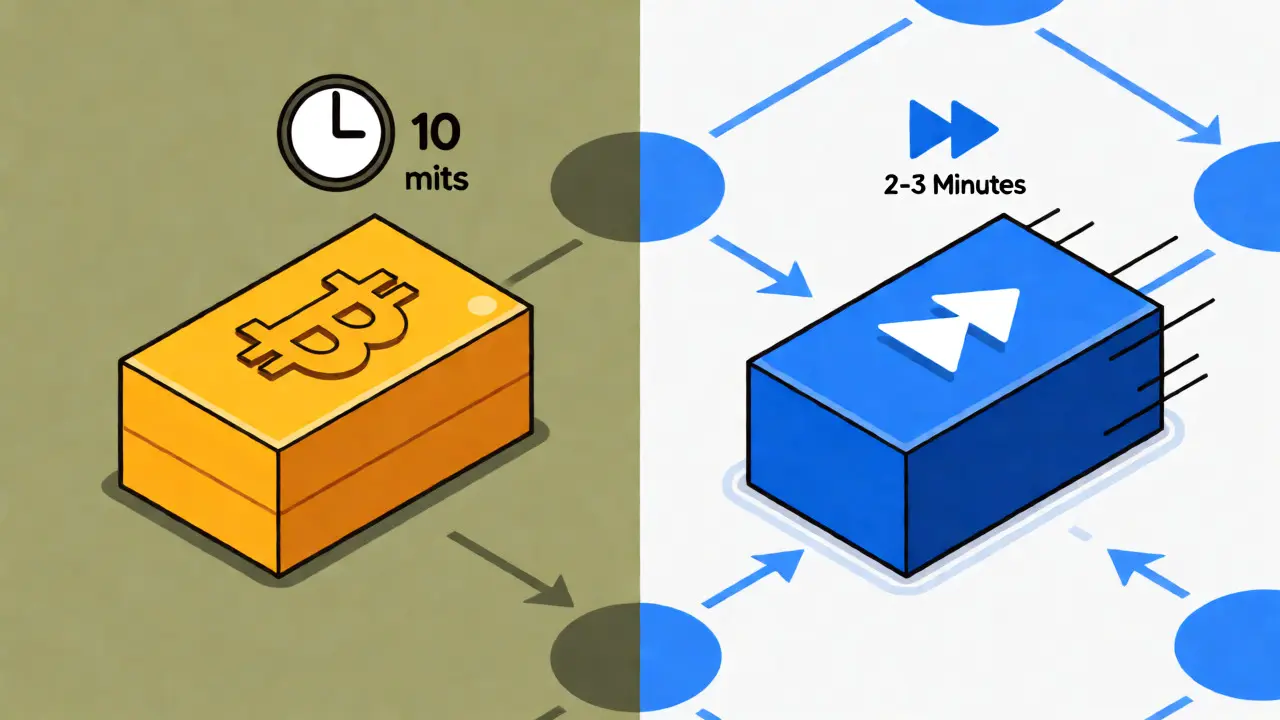
Think of it as a specialized tool rather than a Swiss Army knife. The project operates on a forked Bitcoin blockchain but with significant modifications. For instance, while Bitcoin takes about 10 minutes to create a block, KingMoney aims for much faster transaction finality, reportedly reducing block creation times to between 2 and 3 minutes. This speed is crucial for MLM commissions, where waiting hours for a payout isn’t just annoying-it’s bad for business.
| Feature | KingMoney (KIM) | Bitcoin (BTC) |
|---|---|---|
| Block Time | ~2-3 Minutes | ~10 Minutes |
| Total Supply | 747.44 Million | 21 Million |
| Primary Use Case | Network Marketing Payouts | Store of Value / Payments |
| Mining Model | Private/Mixed | Public Proof-of-Work |
Decoding the "WKIM Mjolnir" Reference
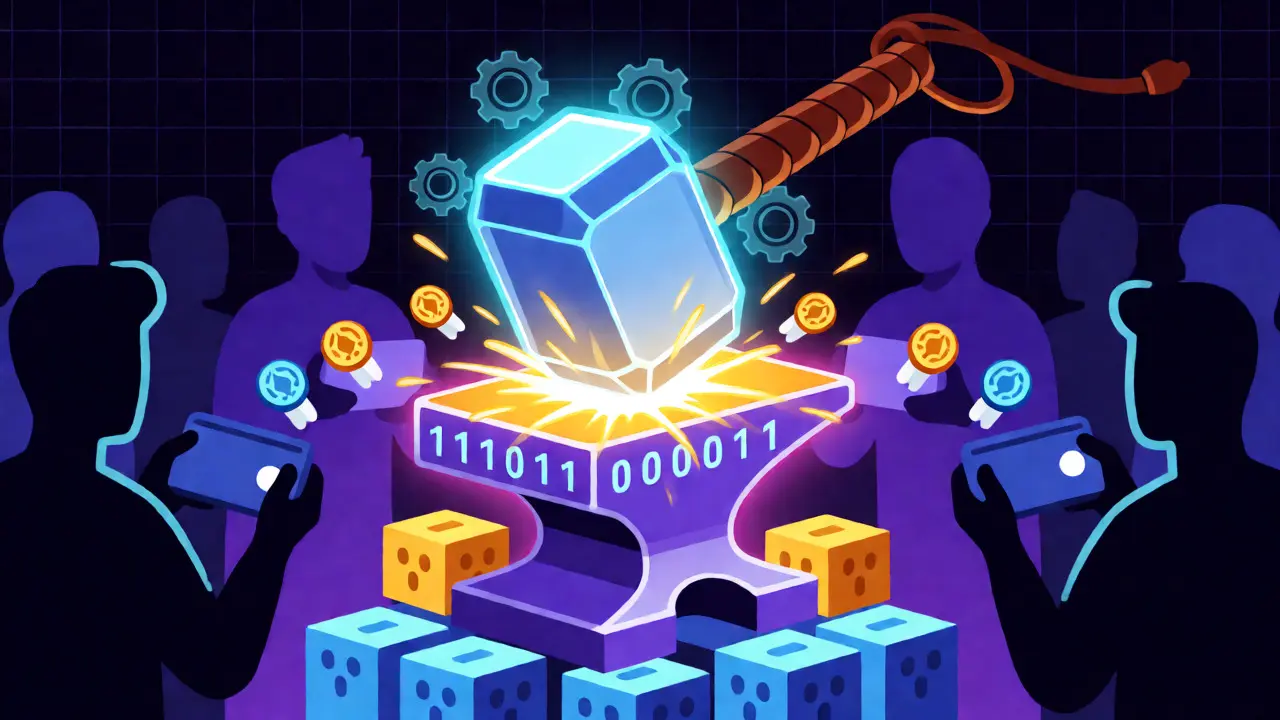
So, where does "WKIM Mjolnir" fit in? In many crypto communities, especially those outside the top-tier exchanges, new token variants or wrapped versions are created for specific utility. "WKIM" likely refers to a wrapped version of KingMoney, potentially used for staking or governance within a specific decentralized application (dApp). "Mjolnir," named after Thor’s hammer, is a common thematic name for mining pools or reward mechanisms in crypto lore.
It is highly probable that the "Mjolnir Airdrop" is not a global exchange event but rather a community initiative. These types of drops usually target early adopters who have been holding KIM in their personal wallets or participating in private mining pools. If you are looking to participate, keep an eye on the official KingMoney Telegram channel and Twitter feed. Scammers love to hijack these niche narratives, so always verify links directly from the project’s social media before connecting your wallet.
How the KingMoney Economy Works
To understand why someone would want free KIM or WKIM tokens, you have to look at the inflation model. KingMoney has a maximum supply cap of 747.44 million tokens. That sounds huge until you realize that Bitcoin only has 21 million. However, KingMoney uses a deflationary mechanism similar to Bitcoin’s halving, but adjusted for its faster block times.
The production reduction occurs every 175,000 blocks. Given the shorter block time, this happens roughly once a year. The initial bonus rate started high to incentivize early miners, starting at 3,250 units per block, and decreases by 0.05% over a 40-year period. This long-tail emission schedule means that while early participants got rich, new entrants face diminishing returns. This makes any current airdrop valuable, as you are essentially receiving tokens that will become scarcer relative to the total circulating supply over time.
Where to Find and Trade KIM
Here is the tricky part: Liquidity. You won’t find KingMoney trading on Coinbase or Kraken. It is primarily traded on specialized platforms or through peer-to-peer (P2P) arrangements. Data from tracking sites like CryptoSlate shows significant price discrepancies. One day it might show $12.25, another day $1,377. Why? Low volume. With a market cap hovering around $733K and daily volumes under $30K, a single large buy or sell order can swing the price wildly.
- Specialized Exchanges: Look for KIM on platforms that cater to niche altcoins. Always check recent trade history; if there are no trades in weeks, be cautious.
- P2P Markets: Many network marketers use dedicated forums or Telegram groups to swap KIM for stablecoins or fiat. This is often safer than using obscure exchanges with unknown withdrawal policies.
- Community Wallets: Ensure you are using a wallet that supports the KingMoney chain. Standard ETH or BTC wallets won’t work unless they support custom forks.
Risks and Red Flags in Niche Airdrops
If you are hunting for this specific airdrop, protect yourself. The term "airdrop" is sometimes used loosely in small-cap communities. Here is what to watch out for:
- Gas Fees: Legitimate airdrops rarely require you to send money first. If a site asks you to pay a "claim fee" in ETH or USDT to receive free KIM, it’s likely a scam.
- Wallet Drainers: Never connect your main hardware wallet to a random dApp claiming to offer the Mjolnir drop. Use a burner wallet.
- Phishing Links: Verify the URL character-by-character. Scammers often register domains like `kingmoney-airdrop.com` instead of the official project domain.
Also, consider the regulatory landscape. Since KingMoney targets the network marketing industry, which is heavily regulated in countries like the US and EU, ensure that holding or trading KIM doesn’t violate local securities laws in your jurisdiction. While it’s marketed as a utility token for payments, regulators sometimes view MLM-related tokens differently.
Strategic Moves for Investors
Should you care about this airdrop? If you believe in the future of blockchain-enabled network marketing, then yes. The utility case is strong: paying commissions instantly across borders without bank delays is a killer feature for global MLM companies. However, if you are looking for quick flips, the low liquidity might trap you. You could buy cheap, but selling a large position without crashing the price is difficult.
For now, treat any "WKIM Mjolnir" information as speculative community news. Monitor the official channels for verifiable announcements. If the drop is real, it will likely involve snapshotting balances of existing KIM holders. Keep your tokens in a self-custody wallet to qualify.
Is the WKIM Mjolnir airdrop officially confirmed by KingMoney?
As of September 2026, there is no broad press release confirming a global "WKIM Mjolnir" airdrop on major news outlets. It appears to be a community-specific or internal ecosystem event. Always check the official KingMoney Telegram or Twitter for real-time confirmation before acting.
What is the difference between KIM and WKIM?
KIM is the native coin of the KingMoney blockchain. WKIM typically refers to a "wrapped" version of the token, often used on other chains or for specific smart contract interactions within the KingMoney ecosystem. Wrapped tokens allow the asset to be used in DeFi protocols that don't natively support the original chain.
Why is the price of KingMoney so volatile?
KingMoney has very low trading volume and limited exchange listings. This low liquidity means that small buy or sell orders can cause massive percentage changes in price. It is not uncommon to see double-digit swings in a single day due to thin order books.
Can I mine KingMoney myself?
Mining is currently described as "private" or restricted in many sources. Unlike Bitcoin, where anyone can join a pool, KingMoney's mining model may require specific permissions or access to private pools. Check the latest whitepaper updates for public mining availability.
Is KingMoney a good investment for beginners?
Generally, no. Due to its niche focus, low liquidity, and complex valuation metrics, it is better suited for experienced crypto investors who understand the risks of micro-cap altcoins. Beginners should stick to more liquid assets like Bitcoin or Ethereum first.
 Finance