
For years, international sanctions have acted like a financial iron curtain around Iran, a country facing severe economic restrictions from Western powers. But in recent years, Tehran has found a digital loophole. By turning to cryptocurrency, the Islamic Republic has built a sophisticated system to keep money flowing for imports and state operations. It sounds like a movie plot, but it is real. And as of mid-2026, this strategy is hitting major roadblocks.
You might think that because blockchain is decentralized, it’s invisible to governments. That’s a common myth. In reality, every transaction leaves a trace. Iran’s attempt to weaponize crypto against sanctions has created a high-stakes game of cat and mouse with global regulators. Here is how it works, where it failed, and what it means for the future of sanctioned trade.
The Energy-for-Bitcoin Trade
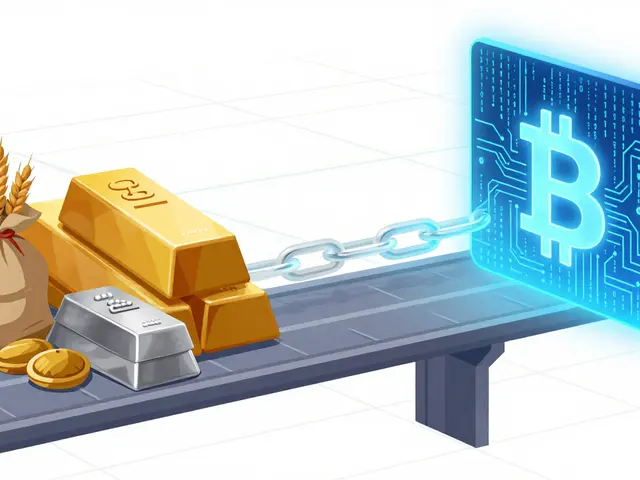
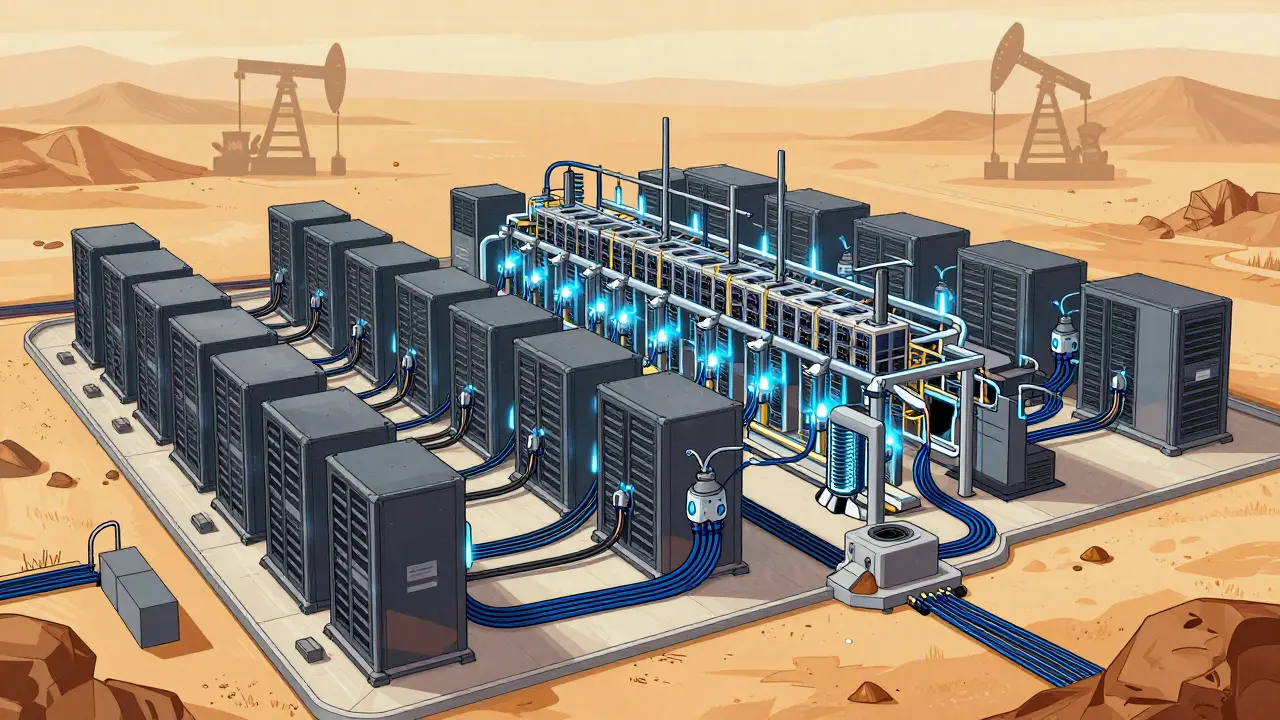
The core of Iran’s strategy is simple: trade energy for digital gold. Instead of exporting natural gas or oil through traditional pipelines-which require banking relationships that are often blocked-Tehran uses its abundant, subsidized energy to mine Bitcoin, the world's largest cryptocurrency by market cap.
By 2021, Iran was producing nearly five percent of all new bitcoins globally. This wasn’t accidental. The government issued licenses for over 10,000 mining farms. They allowed about 90 cryptocurrency exchanges to operate domestically. The goal? To create a stream of hard currency (in digital form) that could be used to pay for essential imports like medicine, technology, and food.
| Metric | Value | Context |
|---|---|---|
| Global Bitcoin Hash Rate Share | ~5% | Peak production before regulatory crackdowns |
| Licensed Mining Farms | 10,000+ | State-sanctioned operations by 2022 |
| Crypto Outflows (2024) | $4.18 Billion | 70% increase from previous year |
| Dominant Exchange | Nobitex | Over 11 million registered users |
This approach had a double benefit. It utilized excess energy capacity and bypassed the SWIFT banking system. However, it came at a steep domestic cost. The massive power consumption led to widespread blackouts in Iranian cities during summer months. Citizens were left without electricity while mining rigs hummed away, creating public anger and forcing the government to tighten controls.
The Role of Nobitex and State Control
If you want to understand Iran’s crypto ecosystem, you have to look at Nobitex, Iran's largest cryptocurrency exchange platform. With more than 11 million users, Nobitex isn’t just a trading app; it’s critical infrastructure for moving money out of the country.
Data analysis firms like Elliptic have linked Nobitex to wallets and behaviors consistent with activity aligned with the Islamic Revolutionary Guard Corps (IRGC), a powerful military and political force in Iran. This connection is crucial. It suggests that the crypto flow isn’t just individual citizens saving their wealth-it’s part of a state-level apparatus to fund strategic interests.
But centralizing control creates a single point of failure. On June 18, 2025, Nobitex suffered a catastrophic exploit. Hackers drained over $90 million in various digital assets. This wasn’t just a bad day for traders; it was a blow to the entire sanctions evasion machine. When the main pipe leaks, the whole system struggles to maintain pressure.
Shadow Banking and the IRGC Quds Force
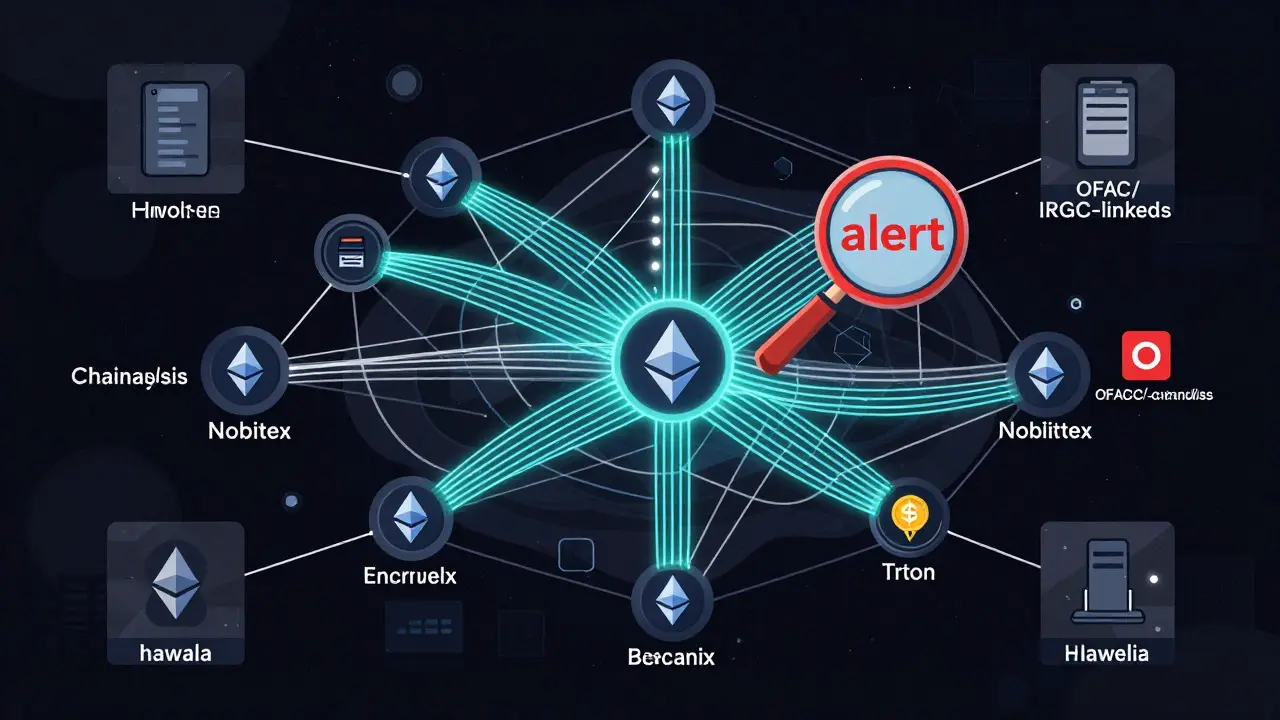
It’s not just about mining. Iran has developed complex "shadow banking" networks to move larger sums. These networks use a mix of front companies, hawala systems (informal value transfer), and cryptocurrencies like Ethereum, a programmable blockchain platform widely used for smart contracts and Tron, a blockchain platform known for high throughput and low fees.
In September 2025, the U.S. Treasury’s Office of Foreign Assets Control (OFAC, the agency responsible for administering and enforcing economic sanctions.) targeted one such network. They identified a $600 million operation that facilitated over $100 million in crypto purchases directly tied to Iranian oil sales between 2023 and 2025.
The key figure here was Arash Estaki Alivand, who controlled specific Ethereum and Tron wallets. This operation was designed to move funds on behalf of the IRGC Quds Force. It showed a terrifying level of sophistication: using legitimate-looking international businesses to layer transactions before converting them into crypto, making it harder for authorities to trace the origin.
The Regulatory Tightrope
Here is the tricky part: the rules change fast. In early 2025, the Central Bank of Iran (Central Bank of Iran (CBI), the nation's primary monetary authority.) ordered the closure of rial payment gateways for crypto exchanges. Why? Because billions of dollars were moving through these channels without proper taxation or transparency.
The government wanted to stop ordinary citizens from fleeing the economy with their savings, while keeping the door open for state-approved imports. So, they legalized crypto payments for imports but banned them for domestic use. This creates a confusing landscape:
- Legal: Mining with a license, buying crypto for approved imports.
- Illegal/Risky: Using crypto for everyday purchases, unlicensed mining, moving large capital abroad without oversight.
This duality makes compliance a nightmare for any foreign business trying to trade with Iran. You might have a legitimate deal, but if your counterparty uses a wallet flagged by Chainalysis, a leading blockchain intelligence firm., your bank account could get frozen overnight.
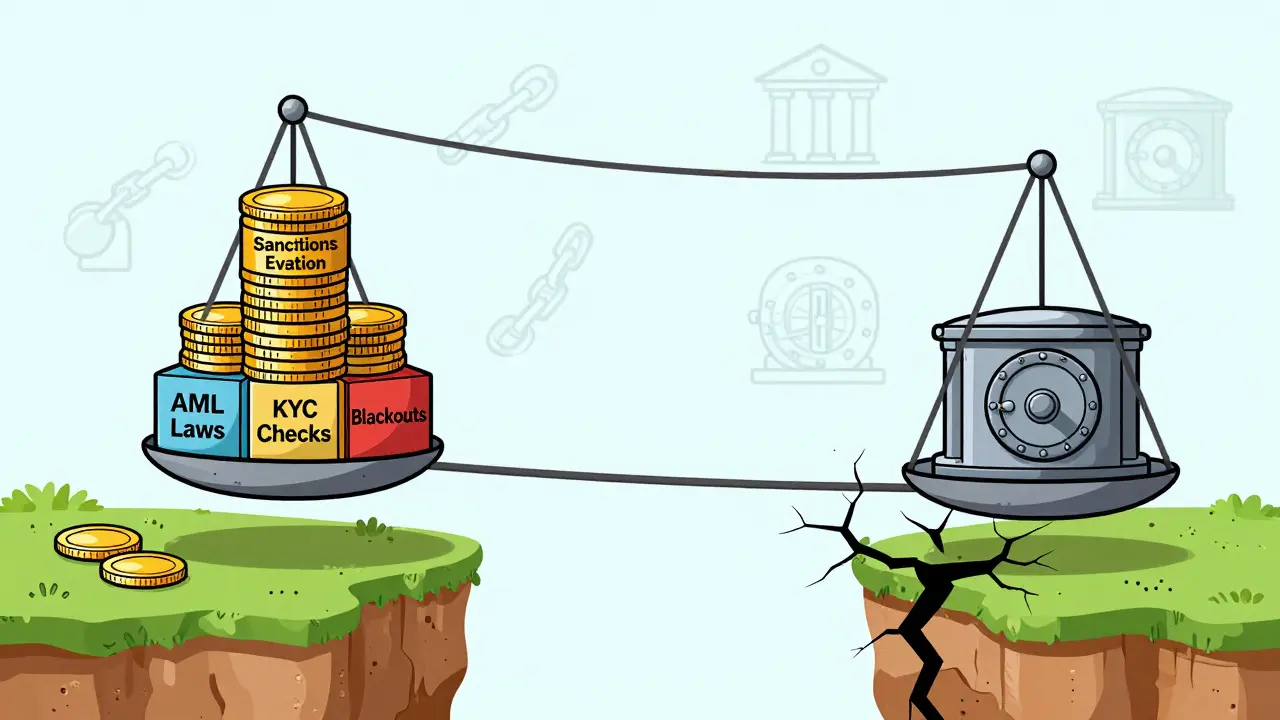
Why the Strategy Is Failing
Despite the ingenuity, Iran’s crypto strategy is showing cracks. First, there’s the energy issue. As mentioned, the strain on the power grid is unsustainable. Second, there’s the security risk. The Nobitex hack proved that even state-aligned platforms are vulnerable to cyberattacks.
Third, and most importantly, blockchain is transparent. While Iran thought they were hiding in plain sight, firms like Chainalysis and Elliptic have become incredibly good at tracking illicit flows. They combine on-chain data with off-chain intelligence (like news reports and geopolitical context) to map out these networks.
When OFAC designated those wallets in late 2025, it sent a clear message: we see you. Every time a sanction is enforced, it raises the cost and complexity of doing business with Iran via crypto. Banks become more cautious. Exchanges delist risky tokens. The friction increases.
What This Means for Global Trade
If you are a business owner looking to expand into emerging markets, take note. The Iran case study shows that crypto is not a magic bullet for sanctions evasion. It adds layers of complexity and risk. For now, the strategy is still active, but it’s becoming less effective.
The trend is moving toward greater regulation. Countries are implementing stricter Anti-Money Laundering (AML) laws. Exchanges are required to verify customers (KYC). This makes it harder for shadow networks to operate anonymously. Iran’s experiment highlights the tension between decentralized technology and centralized state power. Right now, the state-with its superior resources for surveillance and enforcement-is gaining the upper hand.
Is Bitcoin legal in Iran?
Yes, but with strict conditions. Mining is legal if you have a government license. Using cryptocurrency for domestic payments is banned. However, using crypto to pay for imports is permitted as part of the state's strategy to bypass sanctions.
What happened to Nobitex in 2025?
On June 18, 2025, Nobitex, Iran's largest crypto exchange, suffered a major security breach resulting in losses exceeding $90 million. This event highlighted the vulnerabilities in Iran's centralized crypto infrastructure.
How does OFAC track Iranian crypto transactions?
OFAC partners with blockchain intelligence firms like Chainalysis and Elliptic. These firms analyze on-chain data to identify patterns associated with sanctioned entities, then share this information with regulators who can freeze assets or designate new targets.
Why did Iran close rial payment gateways for exchanges?
The Central Bank of Iran closed these gateways to prevent capital flight and ensure taxation. They wanted to stop citizens from easily converting rials to crypto and moving wealth abroad without oversight, while still allowing state-controlled import payments.
Can regular people trade crypto in Iran?
Technically yes, but it's risky. While holding crypto isn't explicitly illegal for individuals, using it for daily transactions is banned. Many Iranians use it to protect their savings from inflation, but they face risks from both government crackdowns and exchange hacks.
 Finance