
You are staring at a chart. The price of a obscure altcoin is moving fast. You want in, but your usual big-name exchange doesn't list it. Or maybe you just hate paying 0.5% in fees for every trade. Enter Dex-Trade, a platform that promises low costs and access to over 370 cryptocurrencies. But is it safe? Does it actually work as advertised, or is it another ghost town where your money goes to die?
I’ve looked at the numbers, the user complaints, and the regulatory reality. Here is the straight talk on whether Dex-Trade deserves your capital in 2026.
What Is Dex-Trade and Who Runs It?
Dex-Trade is a centralized cryptocurrency exchange established between 2017 and 2018 that offers spot trading, staking, and NFT services without formal government regulation. Unlike Binance or Coinbase, which operate under strict licenses in specific jurisdictions, Dex-Trade functions largely in the shadows of regulatory oversight. This isn’t necessarily bad-it means fewer hurdles-but it does mean less protection if things go wrong.
The platform positions itself as a "one-stop shop." It’s not just about swapping Bitcoin for Ethereum. They push an Initial Exchange Offering (IEO) section, a staking program, and even an NFT marketplace. With over 150,000 users reported in recent data, it has traction, but it remains a niche player compared to the giants. If you are looking for institutional-grade security audits and insurance funds like those found on regulated platforms, you won’t find them here.
Fees: The Main Selling Point
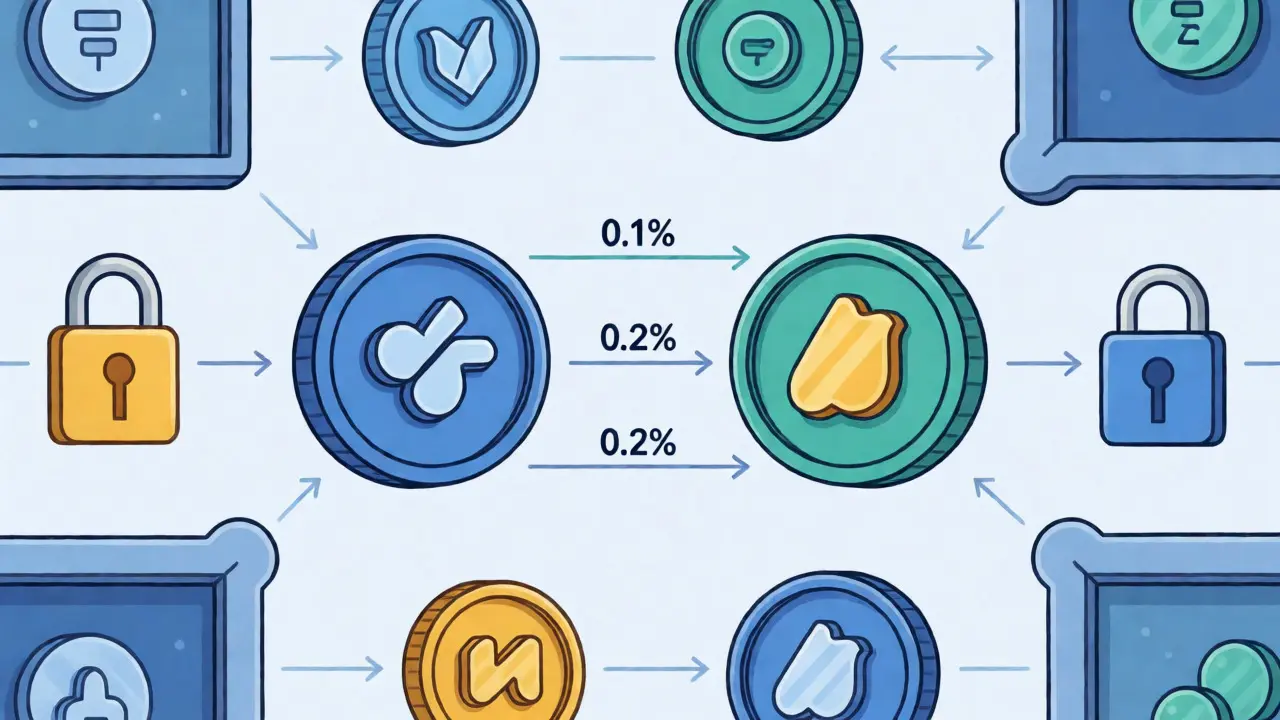
Let’s be honest: nobody loves fees. They eat into your profits before you even make a move. This is where Dex-Trade shines. Their fee structure is aggressive, designed to undercut competitors who charge upwards of 0.4% per trade.
| Fee Type | Dex-Trade Rate | Industry Average |
|---|---|---|
| Maker Order (Limit) | 0.1% | 0.1% - 0.25% |
| Taker Order (Market) | 0.2% | 0.2% - 0.5% |
| Bitcoin Withdrawal | 0.0005 BTC | ~0.00053 BTC |
| Minimum Deposit | 25 USDT | Varies widely |
Notice the withdrawal fee. Charging 0.0005 BTC is slightly below the global average. For frequent traders, this difference adds up. However, keep in mind that these rates apply to spot trading. There are no futures contracts here, so don’t expect leverage beyond the basic 1:1 ratio they offer.
Supported Assets and Trading Options
If you trade mainstream coins, you know the drill. But what if you want exposure to smaller, high-risk projects? Dex-Trade lists over 370 cryptocurrencies. That includes the usual suspects-Bitcoin, Ethereum, Litecoin-but also a long tail of altcoins that might not yet be on major exchanges.
This breadth is a double-edged sword. On one hand, you get early access to potential winners. On the other, many of these tokens lack deep liquidity. You might find yourself unable to sell large positions without crashing the price. The platform supports standard market and limit orders, which covers most needs. Staking options exist for several assets, allowing you to earn passive income while holding. Just remember: staking rewards on unregulated platforms can fluctuate or disappear overnight if the project fails.
Deposits and Withdrawals: The Fiat Problem
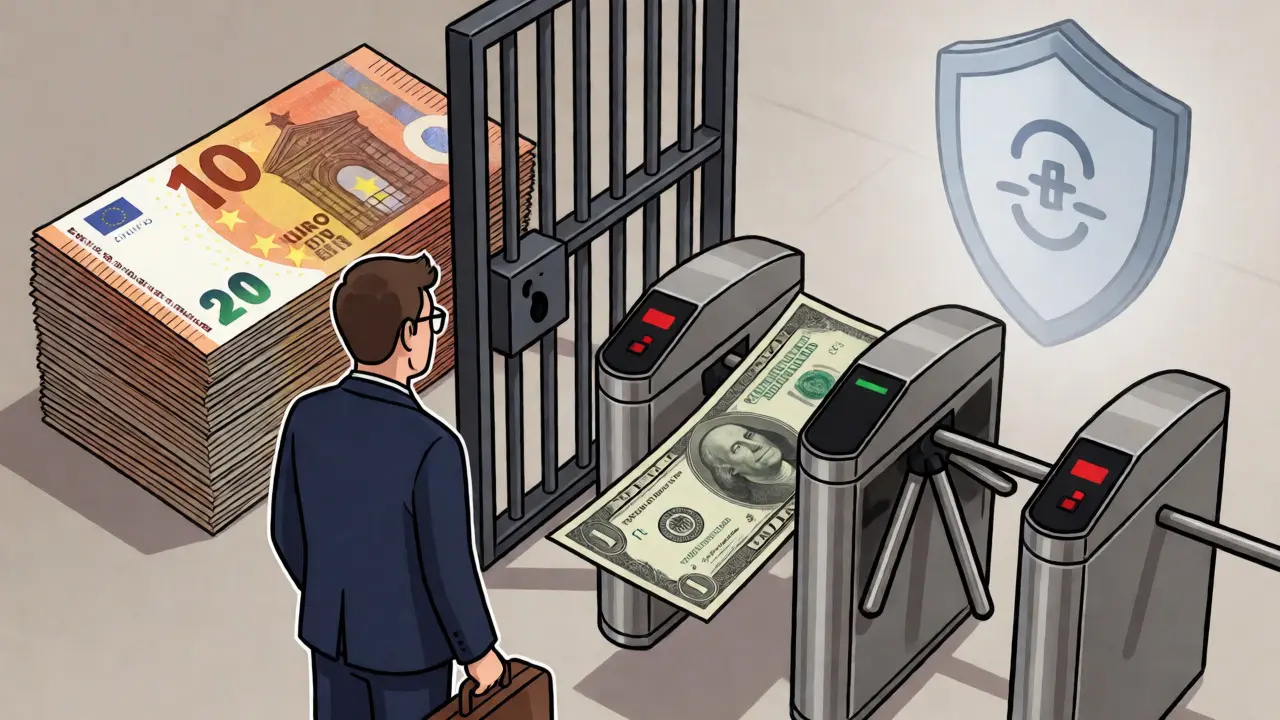
Here is the biggest headache for new users. Dex-Trade’s fiat integration is extremely limited. You cannot deposit Euros, British Pounds, or Australian Dollars directly via bank transfer. The only fiat option is USD wire transfers.
- Crypto Deposits: Fast and cheap. Send from any wallet.
- Credit/Debit Cards: Supported, but check for third-party processor fees.
- Bank Wires: Strictly USD. If you live outside the US, you’ll need to convert your currency first, adding extra steps and costs.
This restriction makes the platform awkward for non-US residents. If you are in the UK or Europe, you will likely use stablecoins like USDT or USDC to enter the platform. This works fine, but it adds a layer of complexity compared to exchanges that let you buy Bitcoin with your local debit card instantly.
Security and Regulatory Status
Is your money safe? That depends on your definition of safe. Dex-Trade implements standard technical security measures: two-factor authentication (2FA), anti-phishing codes, and device management. These are essential basics, and they are present.
However, there is no regulatory license. No FCA, no SEC, no CySEC. This means if the exchange loses your money due to a hack or operational failure, you have little legal recourse. In March 2024, a user on Slashdot alleged a $2,500 scam related to token listing fees, claiming the platform took payment and refused refunds. While this was a B2B issue regarding token listings rather than retail trading, it raises red flags about customer service integrity.
The Trustpilot rating sits at 4.2 out of 5 stars, which looks good on paper. But dig deeper into reviews. Some users praise the interface and support speed. Others complain about delayed deposits and unclear communication. The lack of independent verification from authorities like CoinMarketCap or CoinGecko for their "Top 50" claims should also give you pause.
User Experience and Support
The interface is clean. It doesn’t try to be too clever. Beginners find it intuitive enough to place trades quickly. The mobile app, recently updated to version 2.1.9, focuses on stability and performance. It’s functional, though not feature-rich compared to apps from larger competitors.
Customer support is available 24/7 via email, live chat, tickets, and Telegram. Response times vary. Some users report quick resolutions; others wait days. For a platform handling millions in volume, slower support can be frustrating when you’re trying to exit a position during a market crash.
Who Should Use Dex-Trade?
Dex-Trade isn’t for everyone. It’s a tool for specific jobs.
- Altcoin Hunters: If you need access to small-cap tokens not listed elsewhere, this is a viable option.
- Fee-Conscious Traders: The low maker/taker fees are attractive for high-frequency strategies.
- Risk-Tolerant Users: You must accept the lack of regulatory protection.
It’s probably not for you if:
- You need direct EUR or GBP deposits.
- You require futures or margin trading with high leverage.
- You demand insured custody and strict compliance.
- You live in restricted regions like the EU, US, Russia, or Iran (access may be blocked).
Is Dex-Trade regulated by any financial authority?
No, Dex-Trade operates without formal regulatory oversight from major bodies like the SEC, FCA, or CySEC. This means users do not benefit from the same consumer protections or insurance schemes found on licensed exchanges.
Can I deposit Euros or British Pounds directly?
Direct fiat deposits are limited to USD wire transfers. Users in Europe or the UK typically need to purchase stablecoins (like USDT) on another exchange and then transfer them to Dex-Trade to start trading.
What are the trading fees on Dex-Trade?
The standard fees are 0.1% for maker orders (limit orders) and 0.2% for taker orders (market orders). VIP tiers can reduce these rates further based on trading volume.
Does Dex-Trade offer futures trading?
No, Dex-Trade primarily focuses on spot trading. It does not currently offer perpetual futures or traditional derivatives contracts, limiting its appeal for traders seeking leverage.
How many cryptocurrencies are available on Dex-Trade?
The platform supports over 370 cryptocurrencies, including major assets like Bitcoin and Ethereum, as well as a wide range of smaller altcoins and emerging tokens.
 Finance