
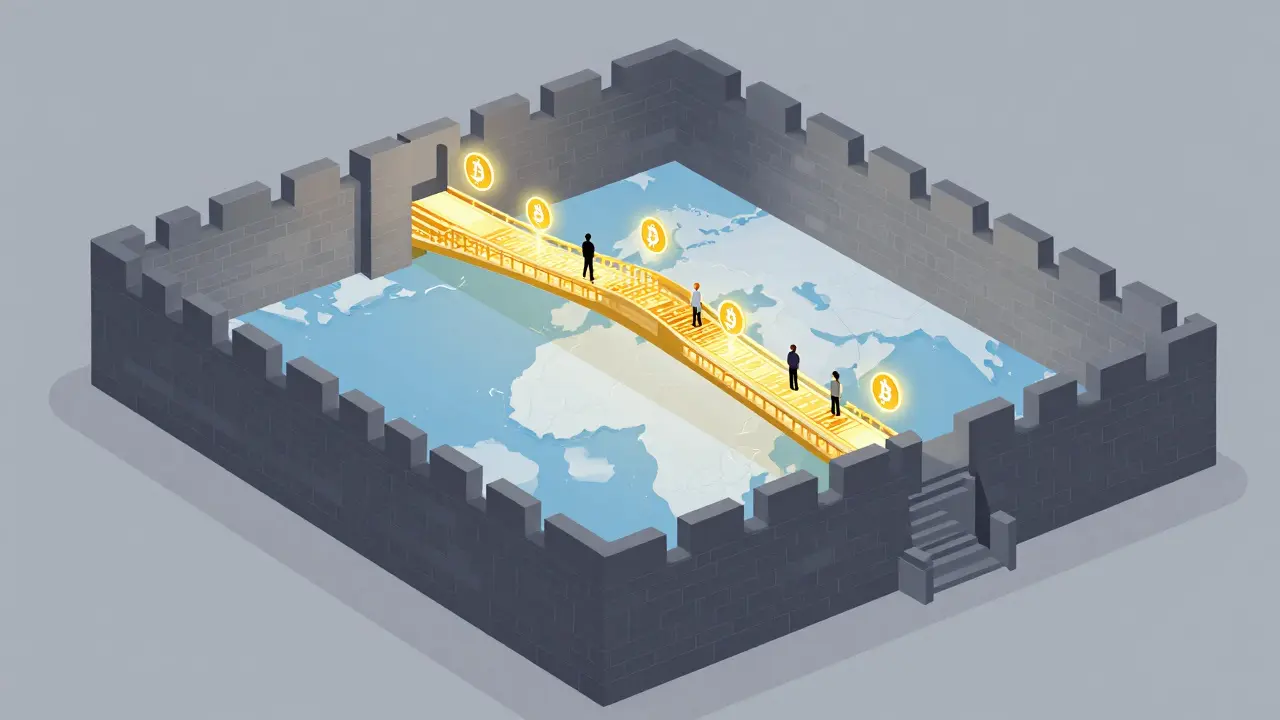
The Reality of Crypto Access Under Sanctions
When a country faces international sanctions, the financial walls close in fast. Traditional banking channels freeze, credit cards stop working, and remittances become nearly impossible to send or receive. For citizens in these nations, cryptocurrency isn't just an investment trend; it is often the only lifeline to the global economy. But accessing this lifeline is far from simple. The landscape is defined by a high-stakes cat-and-mouse game between users trying to preserve their financial sovereignty and regulatory bodies like the Office of Foreign Assets Control (OFAC), which has designated over 1,200 crypto wallet addresses as off-limits.
As of early 2026, the tension is palpable. North Korea, Russia, and Iran remain at the center of this conflict, accounting for the majority of enforcement actions. In 2024 alone, 23% of all new sanctions designations were crypto-related, up from 17% the previous year. This isn't just about stopping illicit trade; it's about enforcing geopolitical pressure. Yet, despite these tightening nooses, citizens find ways through. They don't use magic wands; they use technical workarounds, decentralized networks, and rapid adaptation strategies that shift as soon as regulators strike.
Why Crypto Becomes the Default Channel
To understand how people access exchanges, you first have to understand why they need them. When fiat currencies collapse or are blocked from international transfer systems like SWIFT, digital assets offer a bypass. Bitcoin (BTC) accounts for roughly 65% of identified transactions involving sanctioned entities, followed by Ethereum (ETH) at 18%, and stablecoins at 12%. These numbers aren't random; they reflect utility. Bitcoin is seen as hard money, while stablecoins like USDT provide the price stability needed for daily commerce.
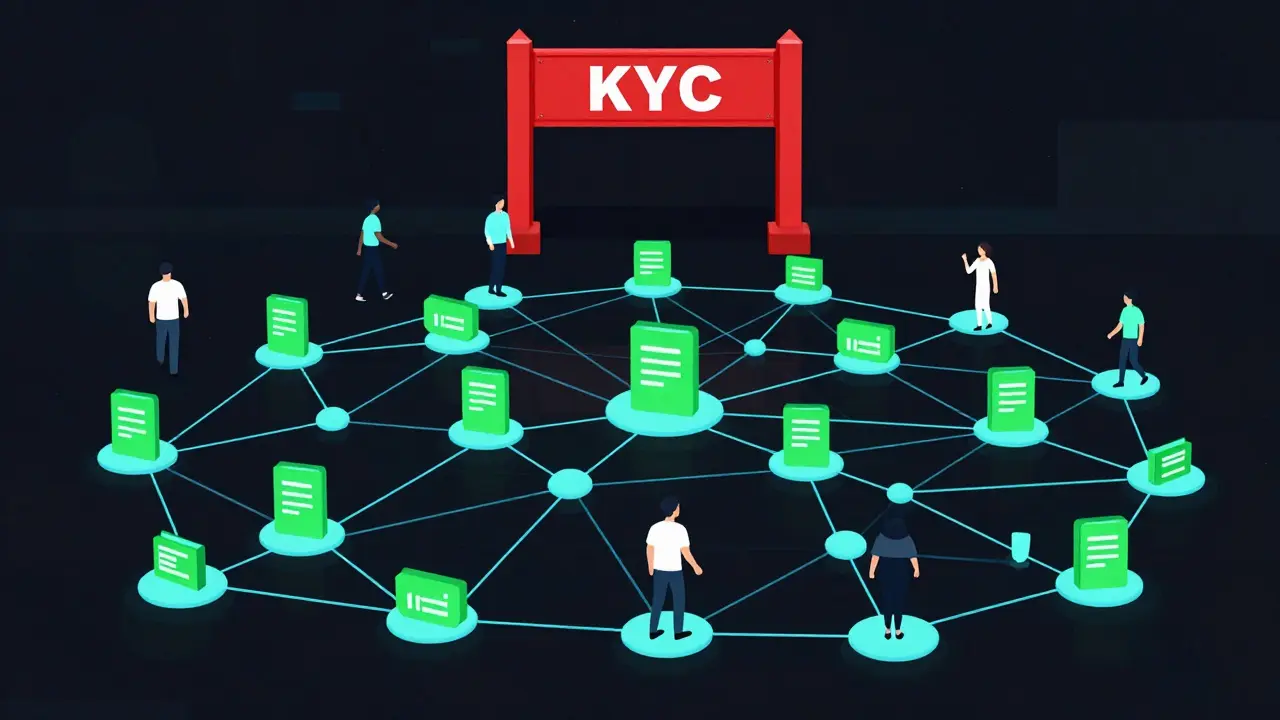
However, the convenience comes with severe risk. Regulatory bodies don't just ban the currency; they ban the on-ramps and off-ramps. If you live in a sanctioned jurisdiction, simply signing up for a major exchange like Coinbase or Binance is usually impossible due to strict Know Your Customer (KYC) requirements. This forces users into alternative pathways that are less regulated, more expensive, and significantly riskier.
Common Methods Used to Bypass Restrictions
Citizens in sanctioned countries rarely rely on a single method. Instead, they layer multiple techniques to obscure their location and identity. Here are the most prevalent strategies observed in 2025 and 2026:
- Peer-to-Peer (P2P) Trading Platforms: Users connect directly with other individuals rather than going through a centralized exchange. While platforms like Binance P2P exist, many move to smaller, less scrutinized local forums or Telegram groups where trades are settled via bank transfers or cash, making it harder for authorities to trace the source of funds.
- Cross-Border Payment Processors: Entities like Exved have emerged to facilitate dual-use goods imports. These platforms act as intermediaries, allowing users to pay in crypto while suppliers receive fiat, effectively masking the end-user's location within complex transaction chains.
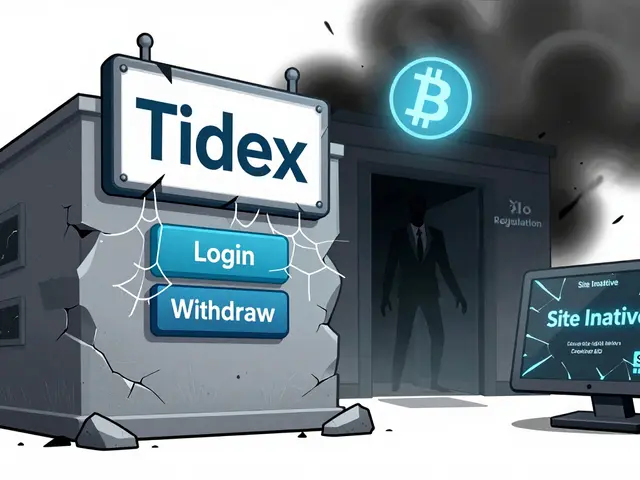
- Successor Exchanges: When a primary exchange gets shut down, its user base doesn't disappear; it migrates. The case of Garantex is a prime example. After being sanctioned and having its domain seized, it morphed into Grinex, continuing operations with a new front but the same underlying infrastructure.
- Decentralized Finance (DeFi) Protocols: By using non-custodial wallets and interacting directly with smart contracts on networks like Polygon or Ethereum, users can swap tokens without ever touching a centralized entity that performs KYC checks. This removes the human gatekeeper entirely.
- Mixing Services: Although heavily targeted, mixers similar to Tornado Cash are still used to break the link between a user's deposit address and their withdrawal address. However, with five major enforcement actions against such services in 2024, this method carries extreme legal risk.
The Case of Garantex: A Blueprint for Evasion
The evolution of the Russian exchange Garantex illustrates how resilient these evasion networks can be. Originally sanctioned by OFAC in 2022 for processing tens of millions in illicit transactions, Garantex didn't just vanish. On March 6, 2025, U.S., German, and Finnish law enforcement agencies seized its web domain and froze over $26 million in cryptocurrency. It seemed like a decisive victory.
Instead, the operation adapted. The customer base and funds were moved to a successor platform called Grinex. Transparency International Russia’s investigation later revealed that Garantex had evolved into a decentralized money laundering system supported by entities like MKAN Coin, a Telegram-based exchange operating out of Dubai. This demonstrates a critical reality: shutting down one website does not stop the flow of funds if the underlying network remains intact. Users simply follow the liquidity wherever it goes, trusting community signals over official announcements.
Rapid Adaptation: The Iranian Example
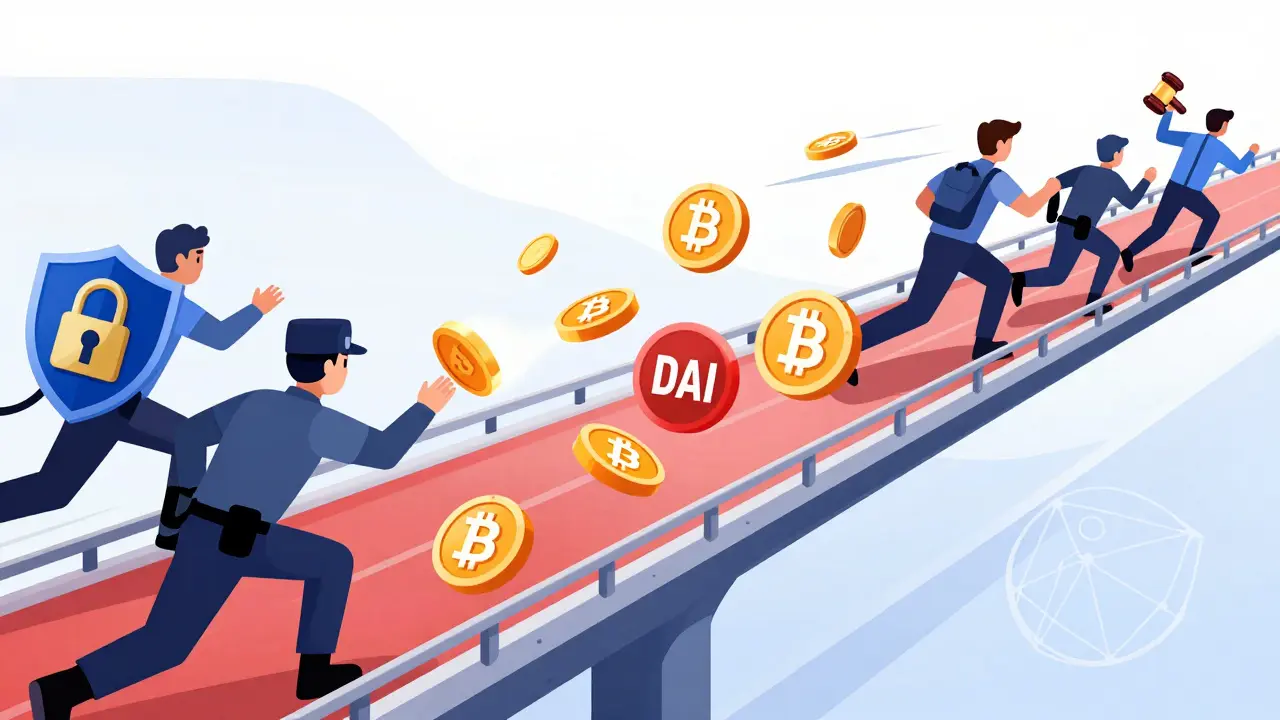
Speed is the most valuable asset for citizens in sanctioned countries. When enforcement strikes, hesitation means loss. In July 2025, Tether executed its largest-ever freeze of Iranian-linked funds, locking 42 cryptocurrency addresses associated with the local exchange Nobitex. This was a direct hit to the liquidity available to Iranian users.
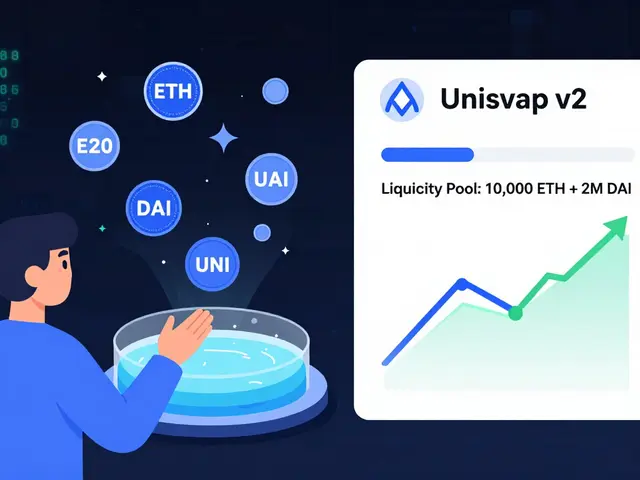
The reaction was immediate and coordinated. Domestic exchanges, crypto influencers, and government-aligned channels urged users to offload USDT holdings rapidly. Within hours, users were migrating their assets to DAI, a decentralized stablecoin, via the Polygon network. Why Polygon? Because it offers low fees and high speed, allowing for quick swaps before further restrictions could be applied. This agility shows that retail participants are not passive victims; they are sophisticated operators who monitor chain activity and social sentiment to pivot instantly.
This adaptation wasn't without cost. TRM Labs data showed an 11% drop in crypto inflows to Iran in the first half of 2025, indicating that enforcement does create friction. Furthermore, the Iranian government responded by enacting the Law on Taxation of Speculation and Profiteering in August 2025, imposing capital gains tax on crypto trading. This move positioned crypto alongside gold and real estate, attempting to bring some level of state control over a previously wild west market.
The Role of Crypto-Friendly Jurisdictions
Sanctioned citizens don't operate in a vacuum. They rely on the global ecosystem of jurisdictions that offer varying degrees of regulatory leniency. These hubs act as bridges, allowing assets to move freely even when origin or destination points are restricted.
| Jurisdiction | Tax Policy | Regulatory Body | Key Feature for Users |
|---|---|---|---|
| Singapore | No capital gains tax | Monetary Authority of Singapore | Strong AML systems; 43% of young adults own crypto |
| El Salvador | 0% tax on foreign crypto income | National Civil Service Directorate | Bitcoin is legal tender |
| UAE (Dubai) | Tax-free personal crypto income | VARA | Home to over 1,000 crypto firms; hub for offshore operations |
| Malta | Favorable corporate tax rates | MFSA | Established framework for VASPs |
Platforms like MKAN Coin, operating from Dubai, leverage these friendly environments to replicate the functions of sanctioned exchanges. By basing their operations in jurisdictions with clear but permissive rules, they can serve clients globally while maintaining a degree of legal protection. This creates a shadow infrastructure that is difficult for Western regulators to dismantle completely.
Enforcement Escalation and DeFi Targets
The regulatory response has been aggressive and evolving. In January 2025, OFAC issued its first-ever sanction against a DeFi protocol, freezing $150 million in assets. This marked a significant expansion of enforcement scope, signaling that code is not immune to sanctions. The logic is simple: if a protocol allows sanctioned entities to transact, the protocol itself becomes a target.
This approach has led to an arms race. As centralized exchanges tighten compliance, users move to DeFi. As DeFi protocols face sanctions, users develop more complex obfuscation techniques. The Department of State has even offered rewards of up to $5 million for information leading to the arrest of key figures like Aleksandr Mira Serda, the executive behind Garantex. These bounties highlight the seriousness with which governments view these networks.
Despite the $430 million in penalties imposed on crypto businesses for sanctions violations in 2024-a 40% increase over 2023-the total value of illicit crypto transactions linked to sanctioned entities remained staggering at $6.9 billion over a 24-month period. The enforcement is effective at creating noise and friction, but it has not stopped the flow.
Risks for Individual Users
If you are considering accessing crypto exchanges from a sanctioned region, you must understand the risks involved. These are not minor inconveniences; they are existential threats to your financial security.
- Asset Freezing: Centralized exchanges can and will freeze your account if they detect sanctioned IP addresses or wallet interactions. Once frozen, your funds may never return.
- Legal Prosecution: Engaging with sanctioned entities can lead to criminal charges, including money laundering and conspiracy. The U.S. government actively pursues individuals, not just organizations.
- Scams and Fraud: The underground nature of these markets attracts bad actors. Successor exchanges like Grinex may lack the security infrastructure of their predecessors, leaving users vulnerable to hacks or rug pulls.
- Price Impact: Moving large amounts of assets quickly through P2P or DeFi channels can result in significant slippage, meaning you lose value in the process of trying to protect it.
Conclusion
The ability of citizens in sanctioned countries to access crypto exchanges is a testament to human ingenuity under pressure. Through P2P networks, DeFi protocols, and rapid migration to successor platforms, users continue to navigate around restrictive borders. However, this freedom comes at a high cost. The regulatory net is tightening, with OFAC expanding its reach into DeFi and mixing services. While complete prevention remains challenging for authorities, the risks for individual users are escalating. The future of this landscape will likely see continued innovation in evasion techniques, matched by increasingly sophisticated enforcement tools. For now, the door remains ajar, but walking through it requires caution, knowledge, and acceptance of significant risk.
Can I use Binance if I live in a sanctioned country?
Generally, no. Major exchanges like Binance strictly comply with OFAC regulations and block users from sanctioned jurisdictions such as North Korea, Iran, and Crimea. Attempting to bypass these blocks using VPNs is risky and can lead to permanent account freezes and loss of funds.
What happened to Garantex after the 2025 seizure?
After its domain was seized and $26 million frozen in March 2025, Garantex migrated its operations to a successor platform called Grinex. It also expanded its network through partners like Exved and MKAN Coin, evolving into a more decentralized system to avoid future takedowns.
Is it safe to use DeFi protocols in sanctioned countries?
It is safer in terms of censorship resistance, but not risk-free. In January 2025, OFAC sanctioned its first DeFi protocol, proving that decentralized apps can be targeted. Additionally, smart contract bugs and scams are prevalent in the unregulated DeFi space.
How did Iranian users react to the Tether freeze in July 2025?
Iranian users rapidly offloaded USDT holdings following the freeze of 42 addresses linked to Nobitex. They migrated to DAI via the Polygon network to maintain access to liquid stablecoins, demonstrating high agility in adapting to enforcement actions.
What are the legal consequences of using sanctioned crypto exchanges?
Users can face severe legal consequences, including criminal charges for money laundering and conspiracy. The U.S. government has offered rewards up to $5 million for information leading to arrests of key figures in these networks, indicating serious prosecution efforts.
 Finance